Table of Contents
ToggleA kitchen that looks clean on the surface isn’t always truly clean. Grease films cabinet doors, crumbs collect behind appliances, and grime builds up in grout lines most people never scrub. A deep clean tackles what weekly wipe-downs miss, the kind of dirt that dulls finishes and harbors bacteria. This checklist walks through every zone in the kitchen, from the back of the pantry to the baseboard trim most folks forget exists. Expect to spend 4-6 hours, depending on kitchen size and how long it’s been since the last deep clean.
Key Takeaways
- A kitchen deep cleaning checklist should target hidden areas like cabinet tops, behind appliances, and grout lines that weekly cleaning misses, typically requiring 4–6 hours for thorough results.
- Vacuuming condenser coils on refrigerators can reduce energy use by up to 25%, making appliance maintenance a key component of deep cleaning efficiency.
- Deep cleaning every three to six months prevents bacteria, mold, and pests while making routine maintenance significantly faster between sessions.
- Using degreasing dish soap, baking soda paste, and microfiber cloths targets grease and grime more effectively than generic cleaners on cabinets, countertops, and appliances.
- Often-missed spots like baseboards, light fixtures, switch plates, and window tracks collect grease and dust that impact kitchen cleanliness and should be included in your deep cleaning checklist.
- Clearing and organizing the pantry, cabinet interiors, and drawers during deep cleaning helps purge expired items while preventing pest and bacterial growth in hidden spaces.
Why Deep Cleaning Your Kitchen Matters
Kitchens accumulate grease, food particles, and moisture faster than any other room. That combination creates perfect conditions for bacteria, mold, and pests.
Regular surface cleaning handles daily mess, but it doesn’t address the gunk on top of cabinets, the sticky residue behind the stove, or the mystery substance coating the dishwasher filter. A proper deep clean every three to six months keeps appliances running efficiently, prevents cross-contamination, and extends the life of finishes and fixtures.
It also makes routine maintenance easier. Once surfaces are truly clean, weekly upkeep takes half the time. Plus, a genuinely clean kitchen smells better and feels less chaotic, especially important if someone’s prepping meals for family or guests.
Essential Supplies and Tools You’ll Need
Gather everything before starting. Running for supplies mid-clean kills momentum.
Cleaning solutions:
- Degreasing dish soap (Dawn or equivalent cuts through grease better than generic brands)
- All-purpose cleaner or diluted white vinegar (1:1 ratio with water)
- Baking soda for scrubbing and deodorizing
- Stainless steel cleaner if applicable
- Wood cleaner or oil for finished wood cabinets
Tools:
- Microfiber cloths (at least a dozen, cotton leaves lint)
- Scrub brushes in multiple sizes, including an old toothbrush for tight corners
- Non-scratch scouring pads (Scotch-Brite green pads work for most surfaces)
- Bucket and mop (microfiber mop heads pick up more grime than sponge mops)
- Vacuum with hose attachment
- Step stool or small ladder
Safety gear:
- Rubber gloves to protect hands from degreasers and hot water
- Safety glasses if cleaning overhead areas or using spray cleaners
Have a trash bag and a donation box nearby. Deep cleaning is the perfect time to purge expired pantry items and duplicate utensils.
Cabinets, Drawers, and Pantry Organization
Start high and work down. Top surfaces of upper cabinets collect a greasy dust layer most people never see. Vacuum loose debris first, then wipe with a degreaser. For stubborn buildup, let the cleaner sit for five minutes before scrubbing.
Cabinet exteriors: Mix a few drops of dish soap in warm water. Wipe down all doors and frames, paying attention to areas around handles where oils from hands accumulate. For wood cabinets, follow up with a wood-safe cleaner or a light coat of furniture oil to prevent drying. Painted or laminate cabinets can handle stronger degreasers.
Cabinet interiors and drawers: Empty everything. Wipe shelves and drawer bottoms with all-purpose cleaner. Check for crumbs, spills, and shelf-liner residue. This is when cleaning strategies that focus on decluttering pay off, toss anything expired, stale, or never used.
Pantry: Remove all items and check expiration dates. Vacuum or wipe shelves. Wipe down canned goods and jars before putting them back, dusty labels and sticky jar bottoms spread grime. Group similar items together so they’re easier to find and rotate.
For deep corners and crevices, an old toothbrush dipped in baking soda paste works better than a cloth.
Appliances That Need Extra Attention
Appliances work harder when they’re clean. Grease and debris make motors strain and heating elements less efficient.
Refrigerator: Unplug it if possible, or at least turn off the ice maker. Remove all shelves, drawers, and door bins. Wash them in the sink with hot soapy water. Wipe the interior with a solution of 1 tablespoon baking soda per quart of warm water, it cleans without leaving chemical residue near food. Don’t forget the door gasket: grime here prevents a tight seal and wastes energy. Pull the fridge away from the wall and vacuum the condenser coils (usually on the back or beneath the unit). Dusty coils can increase energy use by 25%.
Oven: Use the self-cleaning cycle if available, but crack a window, it’ll smoke. For non-self-cleaning ovens, apply a baking soda paste (3 parts baking soda, 1 part water) to interior surfaces, avoiding heating elements. Let it sit overnight, then scrub and wipe clean. Remove oven racks and soak them in hot soapy water in the tub or a large sink. Steel wool or a grill brush knocks off baked-on residue.
Microwave: Heat a bowl of water with lemon slices for three minutes. The steam loosens stuck-on food. Wipe interior and turntable with a damp cloth. Remove and wash the turntable in the sink.
Dishwasher: Remove the bottom rack and pull out the filter (usually a twist-and-lift design). Rinse it under hot water and scrub with a brush, food particles and grease clog the filter and reduce cleaning power. Wipe the door gasket and run an empty cycle with a cup of white vinegar on the top rack to clear buildup.
Range hood and filters: Grease filters above the stove trap oils but get saturated over time. Most metal mesh filters are dishwasher-safe. If hand-washing, soak them in hot water with degreasing dish soap for 15 minutes, then scrub. Wipe down the hood exterior and underside with degreaser. Replace charcoal filters if the range is recirculating (they’re not washable).
Small appliances: Toasters, coffee makers, and blenders all need attention. Empty crumb trays, descale coffee makers with a vinegar cycle, and disassemble blenders to clean blade assemblies and gaskets. Grime in these spots harbors bacteria and affects flavor.
Countertops, Backsplash, and Sink Deep Clean
Clear countertops completely. Wipe down with an appropriate cleaner, granite and marble need pH-neutral products, while laminate and quartz tolerate stronger solutions. For effective cleaning techniques, start at the back and work forward, pushing debris toward the edge.
Pay special attention to seams and edges where crumbs hide. A damp cloth wrapped around a butter knife reaches tight gaps near the backsplash.
Backsplash: Spray with all-purpose cleaner or a 1:1 vinegar-water mix. Let it sit for a few minutes on greasy tile, then scrub grout lines with a stiff brush. Baking soda paste whitens discolored grout. For stubborn stains, a steam cleaner (handheld models start around $30) works wonders without chemicals. Rinse and dry to prevent streaks.
Sink: Stainless steel sinks benefit from a baking soda scrub followed by a vinegar rinse, it brightens and deodorizes. For porcelain or composite sinks, use a non-abrasive cleaner. Scrub around the faucet base and drain rim with a toothbrush. Clear the drain by pouring a half-cup of baking soda, then a half-cup of vinegar. Let it fizz for 10 minutes, then flush with boiling water. This breaks down grease and odor-causing buildup.
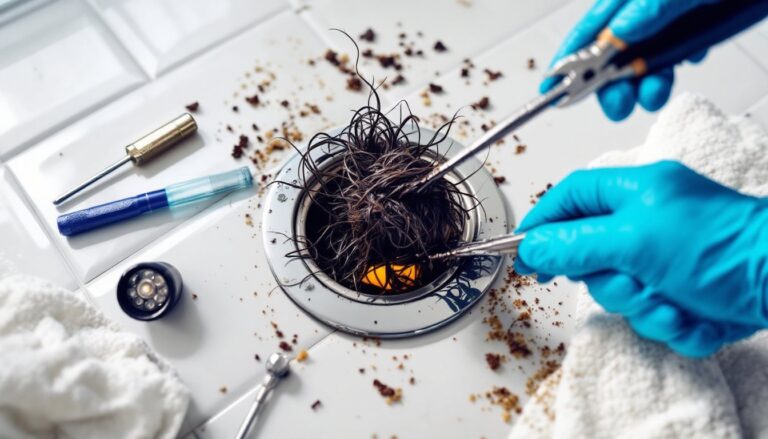
Remove and clean sink strainers and pop-up stoppers. They collect hair, food particles, and soap scum. According to research on deep cleaning methods, regular attention to drains prevents clogs and reduces the need for harsh chemical drain cleaners.
Floors, Baseboards, and Often-Missed Areas
Floors collect grease, crumbs, and sticky spills that daily sweeping misses. Start by vacuuming or sweeping thoroughly, including under appliances if they can be safely moved (unplug first). Use a vacuum crevice tool along baseboards and in corners.
Mopping: Use a cleaner appropriate for the floor type. Tile and vinyl tolerate standard all-purpose cleaners: hardwood needs a pH-neutral, low-moisture product. Change the mop water halfway through, dirty water just spreads grime. For grout lines, a scrub brush and baking soda paste remove stains. Rinse well.
Baseboards and trim: Wipe down with a damp cloth and mild cleaner. Baseboards near the stove collect grease splatter, so use a degreaser if needed. A vacuum brush attachment removes dust first and makes wiping faster.
Often-missed spots:
- Kick plates beneath lower cabinets trap crumbs and dust.
- Light fixtures and ceiling fans collect grease film in kitchens, wipe bulbs when cool and wash glass or plastic shades.
- Switch plates and outlet covers get grimy from finger oils. Remove them (turn off power first) and wash in warm soapy water, or wipe with a disinfecting cleaner.
- Window sills and tracks accumulate dead bugs, dust, and moisture. Vacuum first, then scrub tracks with a brush dipped in soapy water. Dry thoroughly to prevent mold.
- Trash and recycling bins: Empty, spray with disinfectant, and rinse outdoors or in a utility sink. Let them dry completely before putting in new liners.
Consistent use of best cleaning methods in these overlooked zones prevents buildup and makes future deep cleans shorter.
Conclusion
A deep-cleaned kitchen functions better and feels more comfortable. Appliances run more efficiently, surfaces resist daily grime, and the space is genuinely sanitary. Schedule this process every three to six months, or more often if the kitchen sees heavy use. Breaking the work into zones over a weekend makes it less overwhelming. Keep essential cleaning supplies stocked so routine maintenance between deep cleans stays simple.