Table of Contents
ToggleEffective cleaning techniques transform a messy space into a comfortable, healthy home. Whether someone scrubs a kitchen counter or vacuums a living room carpet, the right approach makes all the difference. Many people spend hours cleaning without seeing real results, usually because they’re using outdated or inefficient methods.
This guide covers proven cleaning techniques that work. From quick daily habits to thorough deep-cleaning strategies, readers will learn practical methods they can start using today. The focus stays on what actually works, backed by common sense and real-world experience.
Key Takeaways
- Effective cleaning techniques fall into three categories—routine maintenance, spot cleaning, and deep cleaning—each serving a distinct purpose to save time and effort.
- The two-minute rule and zone cleaning are daily cleaning techniques that prevent clutter buildup and make housework more manageable.
- Always clean from top to bottom to avoid double work, as dust and debris naturally fall downward.
- Natural cleaning solutions like vinegar, baking soda, and lemon deliver effective results without harsh chemicals or high costs.
- Quality tools like microfiber cloths and HEPA-filter vacuums make cleaning techniques more efficient and improve overall results.
- Deep clean kitchens, bathrooms, bedrooms, and living areas every one to three months to address buildup that routine cleaning misses.
Understanding Different Cleaning Methods
Cleaning techniques fall into three main categories: routine maintenance, spot cleaning, and deep cleaning. Each serves a distinct purpose, and understanding when to use each method saves both time and effort.
Routine maintenance involves daily or weekly tasks that prevent buildup. Wiping kitchen surfaces after cooking, sweeping high-traffic floors, and quickly tidying living spaces all qualify. These cleaning techniques require minimal time but deliver consistent results.
Spot cleaning targets specific messes as they happen. A spilled drink on carpet, a grease splatter on the stovetop, or muddy footprints in the entryway, these situations call for immediate, focused attention. The key to effective spot cleaning is acting fast. Most stains become harder to remove the longer they sit.
Deep cleaning addresses areas that routine maintenance misses. Behind appliances, inside cabinets, baseboards, and light fixtures all need periodic attention. Most households benefit from deep cleaning sessions every one to three months.
The best cleaning strategy combines all three approaches. Consistent routine maintenance reduces the need for intensive deep cleaning, while prompt spot cleaning prevents permanent damage to surfaces and fabrics.
Daily Cleaning Techniques That Save Time
Smart daily cleaning techniques keep homes presentable without eating up entire afternoons. The secret lies in building small habits that compound over time.
The Two-Minute Rule
If a task takes less than two minutes, do it immediately. Hanging up a coat, wiping down a bathroom sink, or putting dishes in the dishwasher, these tiny actions prevent clutter from accumulating. This simple cleaning technique alone can cut weekend cleaning time in half.
Zone Cleaning
Instead of tackling an entire house at once, assign different areas to different days. Monday might focus on the kitchen, Tuesday on bathrooms, Wednesday on bedrooms. This approach breaks cleaning into manageable chunks and ensures no area gets neglected.
Top-to-Bottom Method
Always clean from high to low. Dust ceiling fans and shelves before vacuuming floors. This cleaning technique prevents double work, dust and debris fall downward, so starting high means the floor only needs one pass.
The Evening Reset
Spending 10-15 minutes each evening tidying common areas creates a fresh start for the next day. Clear counters, fluff throw pillows, and put away stray items. Waking up to a clean space makes mornings less stressful and maintains the results of previous cleaning efforts.
Deep Cleaning Strategies for Every Room
Deep cleaning techniques vary by room, since each space has unique surfaces and problem areas. Here’s how to tackle the major zones in any home.
Kitchen Deep Cleaning
The kitchen demands special attention because food preparation creates grease, grime, and bacteria. Start by emptying and wiping down the refrigerator, expired items and spills hide in back corners. Clean the oven using a paste of baking soda and water, letting it sit overnight for tough buildup. Don’t forget to degrease range hood filters, which collect airborne oils during cooking. Pull out the stove and refrigerator to clean underneath and behind these appliances.
Bathroom Deep Cleaning
Bathrooms accumulate soap scum, hard water deposits, and mildew. Apply cleaning solutions to grout lines and let them work for 15-20 minutes before scrubbing. Remove showerheads and soak them in white vinegar to dissolve mineral buildup. Clean exhaust fans, which collect dust and reduce air circulation when clogged. Wash shower curtains and liners, many are machine washable.
Bedroom Deep Cleaning
Bedrooms harbor dust mites, dead skin cells, and allergens. Wash all bedding, including pillows and mattress covers, in hot water. Vacuum the mattress surface and flip or rotate it. Clean under the bed, dust ceiling fans, and wipe down window treatments. These cleaning techniques improve both sleep quality and air freshness.
Living Area Deep Cleaning
Vacuum upholstered furniture using attachment tools. Move furniture to clean underneath and behind pieces. Dust electronics, bookshelves, and decorative items. Clean windows inside and out for maximum natural light.
Natural and Eco-Friendly Cleaning Approaches
Many effective cleaning techniques use simple, non-toxic ingredients. These methods protect both household health and the environment while delivering solid results.
Vinegar Solutions
White vinegar cuts through grease, dissolves mineral deposits, and kills many common bacteria. Mix equal parts water and vinegar in a spray bottle for an all-purpose cleaner. This solution works well on glass, countertops, and appliances. But, avoid vinegar on natural stone surfaces, the acid can damage marble and granite.
Baking Soda Applications
Baking soda serves as a gentle abrasive and odor neutralizer. Sprinkle it on carpets before vacuuming to freshen fibers. Make a paste with water to scrub sinks, tubs, and stovetops. Place an open box in the refrigerator to absorb food odors. These cleaning techniques cost pennies but perform as well as expensive specialty products.
Lemon Power
Lemon juice provides natural bleaching and degreasing properties. Run lemon halves through the garbage disposal to eliminate odors. Microwave a bowl of water with lemon slices for three minutes, then wipe down the interior, steam loosens stuck-on food while lemon cuts grease.
Castile Soap
This plant-based soap cleans almost any surface safely. Dilute it for mopping floors, washing windows, or general surface cleaning. A few drops go a long way, making it economical even though higher upfront costs.
Tools and Supplies for Effective Cleaning
The right tools make cleaning techniques more effective and less physically demanding. Quality equipment speeds up tasks and delivers better results.
Essential Cleaning Tools
- Microfiber cloths: These outperform paper towels and cotton rags. They trap dust and dirt without scratching surfaces. Keep separate colors for different tasks, one for kitchens, another for bathrooms.
- Vacuum with attachments: A good vacuum handles floors, upholstery, and crevices. HEPA filters capture allergens that cheaper models recirculate.
- Spray bottles: Having multiple bottles ready with different solutions saves time during cleaning sessions.
- Scrub brushes: Keep various sizes for different jobs, a grout brush for tile lines, a larger brush for bathtubs, and a small detail brush for faucets.
- Squeegee: This tool cuts glass cleaning time dramatically and prevents streaks.
Organizing Cleaning Supplies
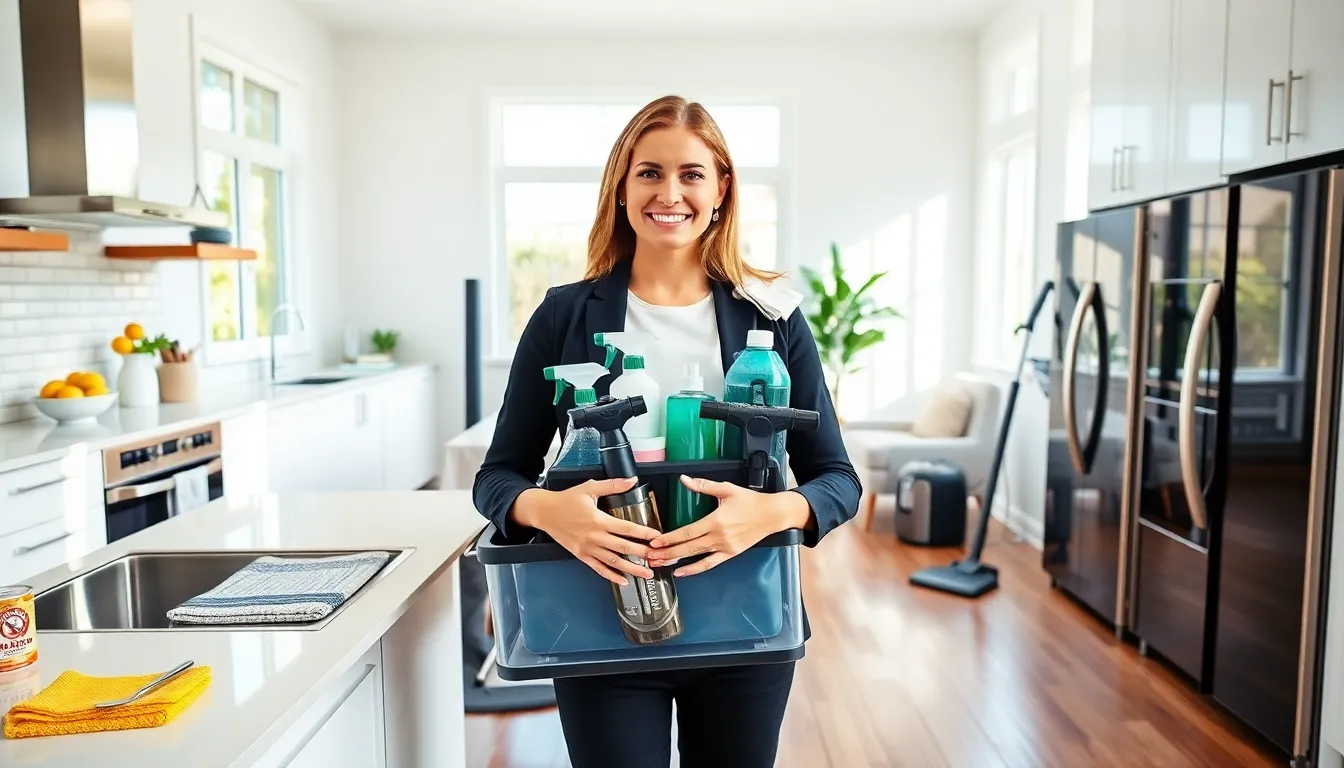
Store supplies where they’ll be used. Keep bathroom cleaners in the bathroom and kitchen supplies near the sink. A portable cleaning caddy helps when moving between rooms. This simple organization step removes friction from cleaning routines.
When to Replace Tools
Microfiber cloths lose effectiveness after 300-500 washes. Replace sponges weekly or when they smell. Worn vacuum belts and clogged filters reduce suction power. Maintaining tools keeps cleaning techniques performing at their best.