Table of Contents
ToggleSpring cleaning isn’t just about scrubbing baseboards and wiping windows, it’s a cultural ritual with roots reaching back centuries. For homeowners today, it’s an opportunity to reset living spaces after months of sealed-up winter living, tackle deferred maintenance, and clear out the clutter that accumulates when you’re bundled indoors. Whether someone follows a strict checklist or takes a room-by-room approach, understanding what spring cleaning actually means helps frame the work ahead and explains why this seasonal tradition persists in modern homes.
Key Takeaways
- Spring cleaning meaning goes beyond routine maintenance—it’s a deep, thorough cleaning that targets neglected areas like window tracks, behind appliances, and inside cabinets accumulated over winter months.
- The tradition of spring cleaning has centuries-old roots in Persian, Jewish, and American cultures, originally driven by practical needs to remove soot from heating systems and restore breathable living environments.
- Spring cleaning serves as a maintenance inspection that reveals hidden problems like water stains, mold, pest issues, and failing seals, preventing costlier repairs down the line.
- Removing accumulated clutter and allergens during spring cleaning improves indoor air quality and provides measurable psychological benefits by reducing stress and creating a sense of accomplishment.
- Modern spring cleaning has evolved to include new tasks like replacing HVAC filters and managing minimalist philosophies, while incorporating eco-friendly products and technology to make the process more efficient.
- The ideal timing for spring cleaning is late March through May in most of the U.S., though breaking it into manageable weekend projects is more practical than attempting everything in one marathon session.
What Does Spring Cleaning Mean?
Spring cleaning refers to the practice of thoroughly cleaning a home from top to bottom, typically undertaken once warmer weather arrives. It goes beyond the weekly vacuuming or monthly bathroom scrub, this is the deep work that targets neglected areas like window tracks, behind appliances, inside cabinets, and underneath furniture.
The term itself describes both the timing (spring) and the intensity (cleaning that’s more comprehensive than routine maintenance). While regular cleaning maintains order, spring cleaning addresses the buildup that happens over months: dust behind the refrigerator, grime on light fixtures, forgotten items in closets, and the residue of winter heating systems.
In practical terms, spring cleaning often includes tasks like washing windows inside and out, flipping mattresses, vacuuming vents and registers, wiping down walls and trim, sorting through storage areas, and disposing of items that no longer serve a purpose. It’s also when many homeowners tackle outdoor spaces, power washing decks, cleaning gutters, and preparing yards for the growing season.
For DIYers and homeowners, spring cleaning is also an inspection opportunity. Moving furniture reveals water stains, pulling items from closets exposes mold or pest issues, and cleaning window frames shows failed seals or rot. Catching these problems early prevents costlier repairs down the line.
The Origins and History of Spring Cleaning
The tradition of spring cleaning predates modern cleaning products by centuries. Historical evidence points to multiple origins across different cultures, all tied to practical needs and seasonal cycles.
In ancient Persia, the practice of “khooneh tekouni” (literally “shaking the house”) coincided with Nowruz, the Persian New Year celebrated at the spring equinox. Families cleaned their homes thoroughly to mark the new year with a fresh start. This wasn’t symbolic, it was necessary after months of indoor living with limited ventilation.
Jewish tradition includes a deep cleaning before Passover to remove all traces of leavened bread (chametz) from the home. This ritual cleaning, performed in early spring, involves scrubbing kitchens, checking pantries, and ensuring every surface is free of forbidden items during the holiday.
In 19th-century America and Europe, spring cleaning had practical roots tied to heating technology. Coal and wood heating left homes coated in soot and grime throughout winter. Once temperatures warmed enough to open windows and doors, households would spend days scrubbing walls, beating rugs outdoors, airing linens, and washing away months of accumulated residue. Before central heating and air filtration, this wasn’t optional, it was the only way to restore a breathable living environment.
The timing also aligned with agricultural cycles. Families finished with winter stores, prepared for planting season, and reorganized spaces for warmer-weather activities. Spring cleaning marked a functional transition between seasons, not just a cosmetic refresh.
Why Spring Cleaning Is More Than Just a Deep Clean
Spring cleaning serves multiple functions beyond surface cleanliness. It’s a maintenance check, a mental reset, and a chance to address tasks that don’t fit into weekly routines.
From a home maintenance perspective, spring cleaning reveals problems. Pulling out the stove shows grease buildup that could become a fire hazard. Cleaning window wells exposes drainage issues. Sorting through the garage identifies tools that need repair or replacement before project season begins. These aren’t aesthetic concerns, they’re functional checks that extend the life of a home’s systems and finishes.
Spring cleaning also creates space, literally and mentally. Clearing out unused items from closets, pantries, and storage areas opens up room for what’s actually needed. Donating or disposing of excess belongings reduces visual clutter, which in turn reduces the cognitive load of managing a household. Fewer items mean less to organize, clean, and maintain.
The process often dovetails with effective cleaning practices that homeowners refine over time. Tackling a whole-house clean forces decisions about what works and what doesn’t in a maintenance routine.
The Psychological and Health Benefits
Research shows that cluttered, dirty environments increase stress and reduce focus. A thorough spring cleaning removes allergens like dust mites, pet dander, and mold spores that accumulate over winter. For households with asthma or allergies, this seasonal purge can meaningfully improve indoor air quality.
There’s also a measurable psychological benefit to completing a large, defined project. Spring cleaning has a clear start and end point, unlike the endless cycle of daily chores. Finishing it provides a sense of accomplishment and control, especially valuable for homeowners juggling multiple responsibilities.
Physically resetting a space can also shift mental patterns. A clean, organized home reduces decision fatigue (“Where is that tool?”) and makes it easier to start new projects. For DIYers, a well-organized workspace means less time hunting for materials and more time actually building or repairing.
Modern Spring Cleaning: How the Tradition Has Evolved
Spring cleaning in 2026 looks different than it did even a decade ago. Modern HVAC systems, synthetic materials, and emerging cleaning trends have reshaped both the need for and approach to seasonal deep cleaning.
Today’s homes are better sealed and climate-controlled, which reduces soot and outdoor dust but increases reliance on air filtration. Spring cleaning now includes tasks like replacing HVAC filters, vacuuming supply and return vents, and wiping down ceiling fan blades, maintenance that didn’t exist in pre-electric homes.
The rise of minimalism and decluttering philosophies has also shifted focus. Many homeowners now approach spring cleaning as much about editing possessions as scrubbing surfaces. Marie Kondo’s influence is visible in how people sort through closets and drawers, asking whether items still serve a purpose. This isn’t just lifestyle fluff, reducing belongings genuinely simplifies maintenance and improves function.
Cleaning products have evolved, too. Eco-friendly formulas, microfiber cloths, and steam cleaners offer alternatives to harsh chemicals. Homeowners concerned about indoor air quality or septic systems increasingly choose plant-based cleaners and reusable tools over disposable wipes and aerosol sprays. These choices align with both environmental goals and health considerations, especially for households with children or pets.
Technology plays a role as well. Robot vacuums handle daily floor maintenance, freeing up time for deeper tasks. Pressure washers make outdoor cleaning faster. Online guides and resources like comprehensive checklists provide structured approaches for tackling whole-house projects, breaking them into manageable chunks.
When Should You Actually Spring Clean?
The timing of spring cleaning is more flexible than the name suggests. While tradition ties it to spring’s arrival, the best time depends on climate, schedule, and the specific tasks involved.
In most of the U.S., late March through May offers the ideal window. Temperatures are warm enough to open windows for ventilation and allow cleaning solutions to dry properly, but not so hot that outdoor work becomes miserable. This timing also aligns with the end of heating season, once the furnace shuts off for the year, it’s a good time to clean vents, change filters, and address the dust that accumulated over winter.
For homes in warmer climates, early spring (February or March) might be more comfortable before summer heat arrives. In colder regions, waiting until late April or May ensures snowmelt is complete and outdoor spaces are accessible.
Scheduling also matters. Many homeowners break spring cleaning into weekends rather than attempting everything in one marathon session. Tackling one room per weekend over a month feels more manageable than trying to clean an entire house in a single weekend. This approach also allows time to address any problems discovered during cleaning, ordering replacement weatherstripping, scheduling HVAC service, or picking up supplies for minor repairs.
Some tasks are temperature-dependent. Washing exterior windows requires mild weather and dry conditions. Painting or staining outdoor surfaces needs temperatures above 50°F for proper curing. Power washing works best when surfaces can dry quickly, preventing mildew.
Eventually, spring cleaning should happen when it fits the homeowner’s schedule and when weather allows efficient work. The goal is completion, not adherence to a specific calendar date. Whether someone starts in March or pushes into early June, the benefits remain the same.
How to Approach Your Own Spring Cleaning Routine
A successful spring cleaning requires planning, not just elbow grease. Start with a room-by-room assessment before touching a single surface.
Walk through the home with a notepad and list what each space needs. Kitchen: degrease range hood, clean oven, wipe cabinet fronts, organize pantry. Bathroom: scrub grout, re-caulk tub if needed, clear under-sink clutter. Bedroom: flip mattress, vacuum under bed, wash curtains. Garage: sweep floor, dispose of old paint cans, sharpen tools. This creates a working list and prevents the overwhelm of starting without direction.
Gather supplies before starting. Running to the store mid-project kills momentum. Basic spring cleaning needs include:
• All-purpose cleaner or diluted dish soap
• Glass cleaner
• Degreaser for kitchen surfaces
• Scrub brushes (various sizes)
• Microfiber cloths and rags
• Vacuum with attachments
• Mop and bucket
• Trash bags and donation boxes
• Safety gear: rubber gloves, dust mask (N95 if dealing with mold or heavy dust), and safety glasses if using chemical cleaners
Work top to bottom in each room. Dust ceiling fans and light fixtures first, then shelves and furniture, then baseboards, and finally floors. This prevents re-cleaning areas as dust and debris fall.
Move furniture away from walls. Vacuuming behind the couch might reveal forgotten items, evidence of pests, or outlet issues. Pulling the refrigerator out lets you clean coils (improving efficiency) and check the drip pan. These aren’t things homeowners do weekly, which is exactly why spring cleaning matters.
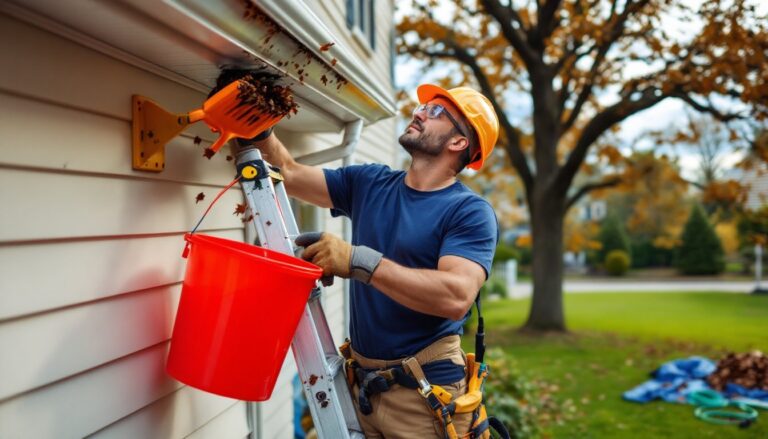
Don’t ignore outdoor spaces. Clean gutters before spring rains, inspect deck boards for rot, power wash siding if it’s accumulated grime, and check exterior caulking around windows and doors. These tasks prevent water intrusion and extend the life of exterior materials.
Approaching spring cleaning as strategic room maintenance rather than random scrubbing makes the work more effective. Focus on what genuinely needs attention, skip what doesn’t, and tackle tasks in an order that makes physical sense. Efficiency matters when the project spans multiple days.
Some jobs require help. Moving heavy furniture is safer with a second person. Cleaning second-story windows might need a ladder and a spotter. Homeowners should know their limits, hiring out gutter cleaning or carpet shampooing isn’t failure, it’s practical decision-making.
Finally, maintain momentum with realistic expectations. Spring cleaning doesn’t mean perfection. It means addressing the accumulated maintenance, organizing what’s become chaotic, and setting up spaces to function well for the coming months. Done consistently, it becomes less overwhelming each year because problems don’t compound.