Table of Contents
ToggleCleaning trends 2026 are shaping up to change how people maintain their homes. From greener products to smarter devices, the cleaning industry is moving fast. Homeowners want solutions that save time, protect health, and reduce environmental impact. This article covers the key cleaning trends 2026 will bring, and how they’ll affect everyday routines. Whether someone is a cleaning enthusiast or just wants a tidier space, these shifts matter.
Key Takeaways
- Cleaning trends 2026 prioritize eco-friendly products with plant-based ingredients, refillable containers, and transparent labeling.
- Smart home cleaning technology now features AI-powered devices that map homes, self-empty dustbins, and integrate with voice assistants.
- Minimalist cleaning routines using multi-purpose cleaners and reusable microfiber cloths save time, money, and reduce waste.
- Health-focused cleaning trends 2026 emphasize allergen-free formulas, HEPA-filter vacuums, and improved indoor air quality.
- Quick daily cleaning habits are replacing marathon weekend sessions for more efficient home maintenance.
- UV-C light technology and smart sensors are becoming standard features in household appliances for chemical-free sanitization.
Eco-Friendly and Sustainable Cleaning Products
Sustainability isn’t a buzzword anymore, it’s the baseline. In 2026, eco-friendly cleaning products will dominate store shelves and online carts. Consumers are demanding formulas free from harsh chemicals, and brands are listening.
Plant-based ingredients are replacing petroleum-derived compounds in many popular cleaners. These products work just as well on grease and grime, but they break down safely in the environment. Refill stations are also growing in popularity. Instead of buying a new plastic bottle each time, shoppers bring containers to local stores or receive concentrated refills by mail.
Packaging is getting a makeover too. Cardboard, glass, and compostable materials are replacing single-use plastics. Some companies now ship cleaning tablets that dissolve in water at home. This cuts shipping weight and reduces carbon emissions.
Cleaning trends 2026 also include a push for transparency. Buyers want to know exactly what’s inside their products. Labels are becoming clearer, and third-party certifications like EPA Safer Choice are gaining traction. If a product can’t prove its green claims, it won’t survive long on the market.
For households, this shift means cleaner air indoors and less guilt about what goes down the drain. Expect to see even more innovation as brands compete to be the greenest option available.
Smart Home Cleaning Technology
Robot vacuums were just the beginning. Smart home cleaning technology in 2026 will go far beyond automatic floor sweepers.
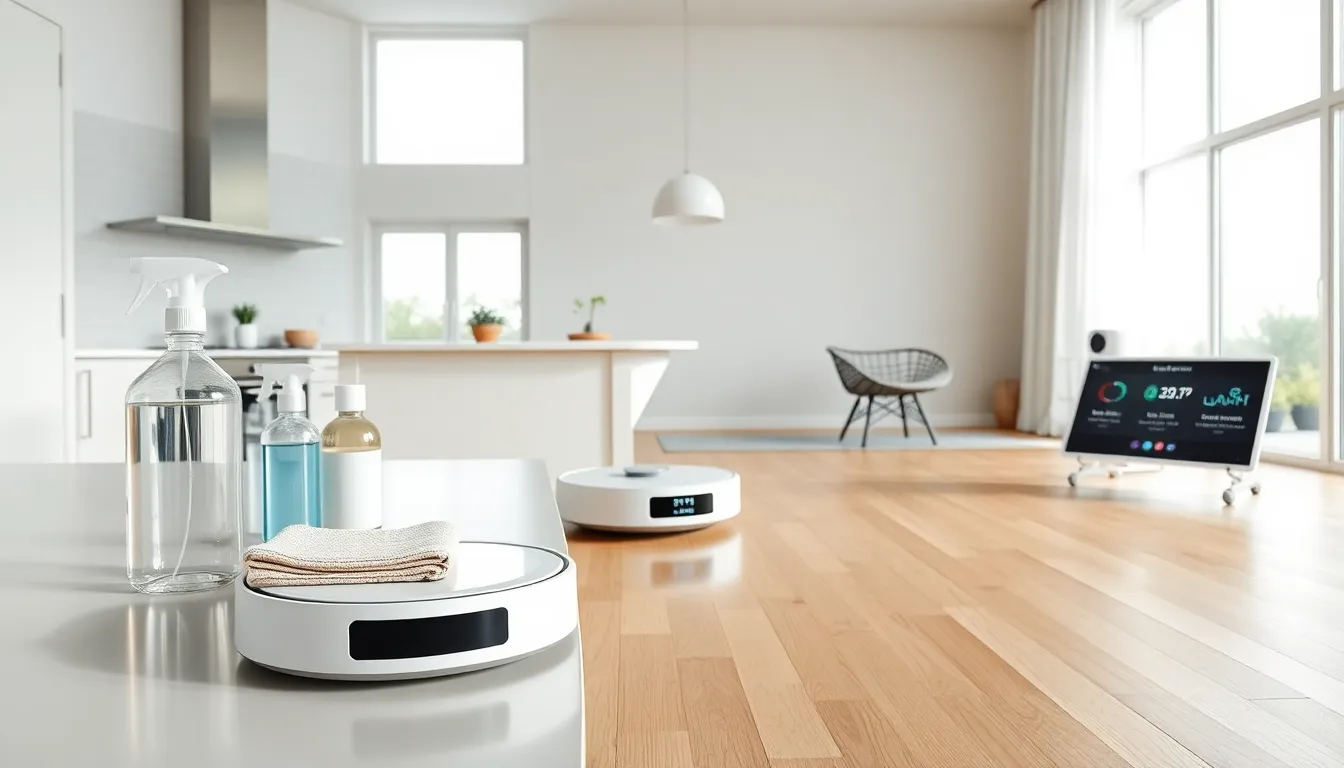
AI-powered devices now map homes in detail. They learn traffic patterns, identify problem areas, and adjust cleaning schedules automatically. Some newer models can empty their own dustbins, mop floors, and even detect pet messes. Voice assistants integrate seamlessly, so users can start a cleaning cycle with a simple command.
Self-cleaning appliances are another big trend. Ovens, refrigerators, and washing machines now include built-in sanitizing features. UV-C light technology is showing up in everything from toothbrush holders to air purifiers. These devices kill bacteria and viruses without chemicals.
Cleaning trends 2026 also bring connected cleaning systems. Imagine a dishwasher that orders its own detergent when supplies run low, or a vacuum that alerts the owner about a clogged filter. Smart sensors track air quality and humidity levels, prompting cleaning actions when needed.
The cost of these gadgets is dropping, making them accessible to more households. While early adopters paid premium prices, mid-range options now deliver impressive performance. For busy families or anyone who hates chores, smart cleaning tech is a game-changer.
Of course, technology isn’t perfect. Privacy concerns exist around devices that map homes and connect to the internet. Buyers should check data policies before purchasing.
Minimalist Cleaning Routines
Less really is more, at least when it comes to cleaning routines in 2026. The minimalist approach is gaining ground as people realize they don’t need a cabinet full of specialty products.
Multi-purpose cleaners are taking over. One bottle handles countertops, glass, and bathroom surfaces. This simplifies shopping, saves money, and reduces clutter. Cleaning trends 2026 favor efficiency over excess.
Microfiber cloths are replacing paper towels in many homes. They’re reusable, effective, and cut down on waste. A few quality cloths can last years with proper care. Paired with a good all-purpose spray, they handle most daily messes.
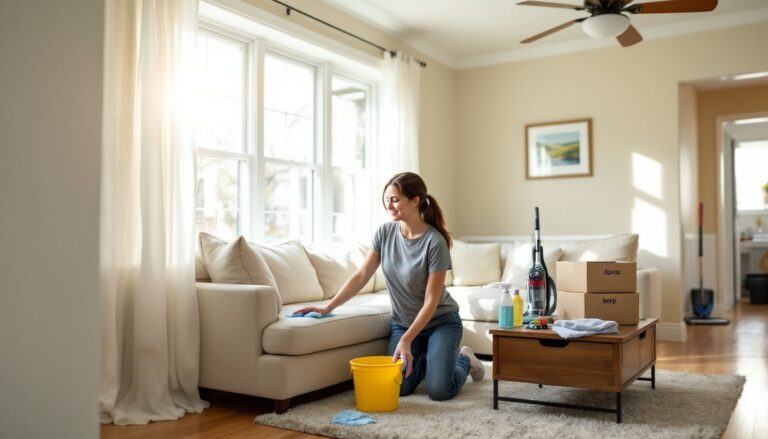
Routine simplification matters too. Instead of marathon weekend cleaning sessions, people are adopting quick daily habits. A 10-minute evening tidy-up prevents buildup. Wiping down surfaces after use keeps grime from accumulating. Small efforts add up.
The minimalist mindset extends to decluttering. Fewer possessions mean less stuff to clean around. Marie Kondo’s influence still echoes, but the focus has shifted from sparking joy to practical upkeep. A simpler space is easier to maintain.
This trend appeals to renters, small-space dwellers, and anyone tired of complicated cleaning systems. It’s proof that effective cleaning doesn’t require dozens of products or hours of labor.
Health-Focused and Allergen-Free Cleaning
Health is a top priority for households in 2026. Cleaning trends 2026 reflect a growing awareness of how indoor environments affect well-being.
Allergen-free cleaning products are in high demand. Formulas without artificial fragrances, dyes, and common irritants protect sensitive individuals. Families with asthma, eczema, or allergies benefit from gentler options. Hypoallergenic labels are becoming standard, not niche.
Air quality is another major focus. HEPA-filter vacuums trap tiny particles that traditional models miss. Air purifiers run alongside cleaning routines to remove dust, pollen, and pet dander. Some households test indoor air quality regularly and adjust habits based on results.
Disinfection practices have evolved since the pandemic years. People still value germ-killing power, but they’re more selective about when and where to use strong disinfectants. Overuse can harm beneficial microbes and irritate skin. Balance is key.
Cleaning trends 2026 also include attention to hidden problem spots. Mattresses, upholstery, and HVAC systems get more regular care. Professional deep-cleaning services for carpets and ducts are booming. Homeowners understand that visible cleanliness doesn’t always mean healthy cleanliness.
For those with children or elderly family members, health-focused cleaning provides peace of mind. It’s not about paranoia, it’s about creating safer spaces where everyone can thrive.