Table of Contents
ToggleThe best cleaning results come from smart strategies, not just hard work. Many people spend hours scrubbing surfaces without seeing real improvement. The difference lies in using the right supplies, following proven methods, and knowing how often each area needs attention.
This guide covers everything homeowners need to maintain a spotless living space. From essential supplies to room-specific strategies, these best cleaning tips will transform any home. Readers will discover time-saving hacks that professionals use daily. They’ll also learn exactly how often to clean different areas for optimal results.
Key Takeaways
- The best cleaning results come from using the right supplies, proven methods, and consistent schedules rather than spending hours on ineffective scrubbing.
- Microfiber cloths pick up 99% of bacteria with water alone, making them essential for daily cleaning tasks.
- Kitchens and bathrooms need the most attention—clean sinks daily since they harbor more bacteria than most toilet seats.
- Follow the two-minute rule: handle quick tasks immediately to prevent small messes from becoming bigger cleaning projects.
- Establish a cleaning frequency schedule with daily, weekly, monthly, and seasonal tasks to maintain a spotless home without weekend marathons.
- Time-saving hacks like using lint rollers on lampshades and cleaning while you wait can dramatically reduce overall cleaning time.
Essential Cleaning Supplies You Need
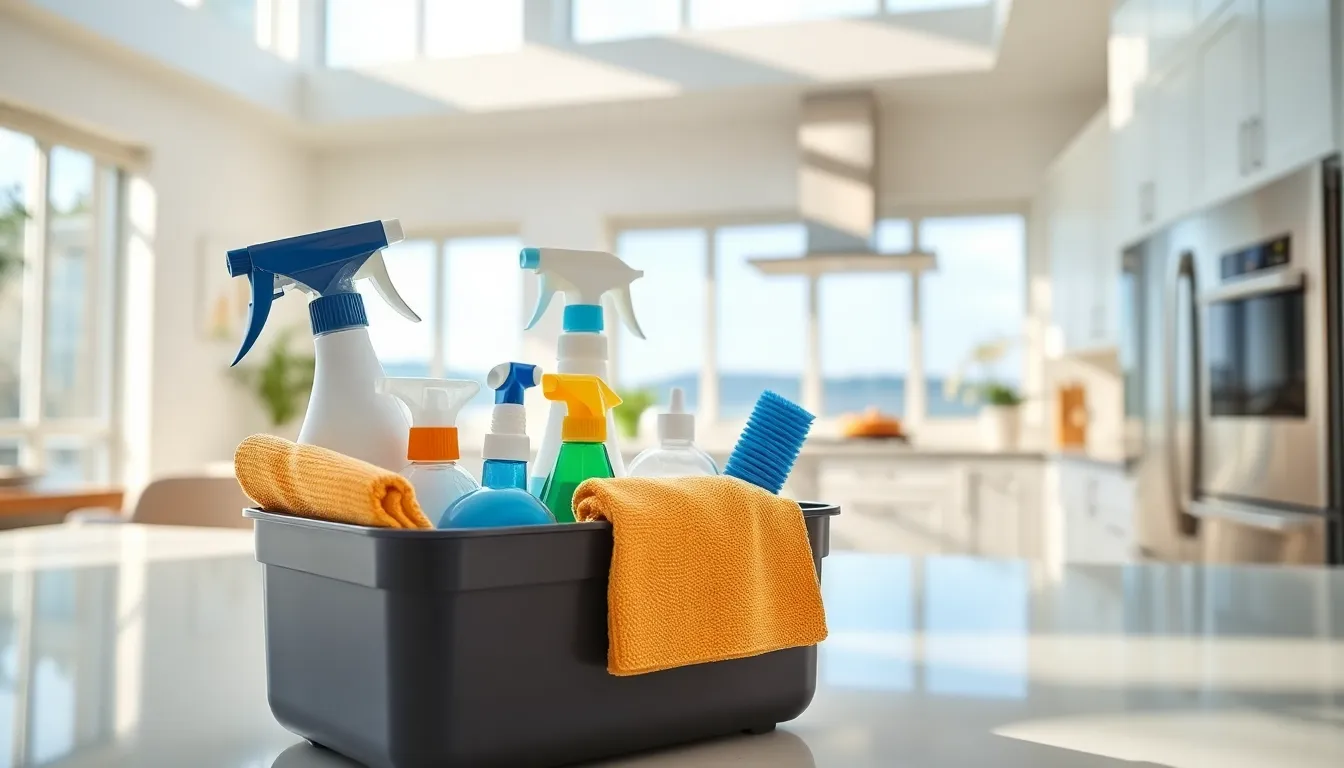
A well-stocked cleaning cabinet makes every task easier. The best cleaning routines start with quality supplies that handle multiple jobs effectively.
Basic Supplies Every Home Needs:
- Microfiber cloths (they trap dust better than paper towels)
- All-purpose cleaner or white vinegar solution
- Glass cleaner
- Disinfectant spray or wipes
- Baking soda for scrubbing
- Toilet bowl cleaner
- Floor cleaner appropriate for surface types
- Scrub brushes in various sizes
- Rubber gloves
- Vacuum with attachments
- Mop and bucket
Microfiber cloths deserve special attention. They pick up 99% of bacteria when used with water alone. This makes them ideal for quick daily wipe-downs. Investing in a dozen high-quality cloths saves money on paper products over time.
White vinegar mixed with water creates an effective all-purpose cleaner. A 1:1 ratio works for most surfaces. But, avoid using vinegar on natural stone or marble, it can damage these materials.
For the best cleaning results, organize supplies in a portable caddy. This simple step eliminates wasted time searching for products. It also encourages more frequent cleaning since everything stays accessible.
Room-by-Room Cleaning Strategies
Each room presents unique challenges. The best cleaning approach tackles these differences with targeted methods.
Kitchen and Bathroom Deep Cleaning
Kitchens and bathrooms require the most attention due to moisture and frequent use. Both spaces harbor bacteria and need regular disinfection.
Kitchen Best Cleaning Practices:
Start with appliances. Wipe down the refrigerator exterior and handles daily, these surfaces collect fingerprints and germs constantly. Clean inside the microwave by heating a bowl of water with lemon for two minutes. The steam loosens stuck-on food.
Countertops need daily attention. Use a disinfectant after preparing raw meat. For stubborn stains on granite, make a paste with baking soda and water. Let it sit for five minutes before wiping.
Don’t forget the sink. It contains more bacteria than most toilet seats. Scrub it daily with dish soap and sanitize weekly with a bleach solution.
Bathroom Deep Cleaning Steps:
The toilet deserves thorough cleaning at least twice weekly. Apply bowl cleaner under the rim and let it work while cleaning other surfaces. Scrub with a brush, then wipe the exterior with disinfectant.
Shower doors develop soap scum quickly. A mixture of dish soap and vinegar removes buildup effectively. Apply it, wait ten minutes, then scrub with a non-scratch pad.
Grout between tiles traps mold and mildew. A paste of baking soda and hydrogen peroxide brightens grout lines. Apply it with an old toothbrush for the best cleaning results in tight spaces.
Living Spaces and Bedrooms
These areas accumulate dust, pet hair, and allergens. Regular maintenance keeps them fresh and healthy.
Living Room Best Cleaning Tips:
Dust surfaces weekly, working from top to bottom. Start with ceiling fans and light fixtures, then move to shelves and furniture. This prevents dust from settling on already-cleaned surfaces.
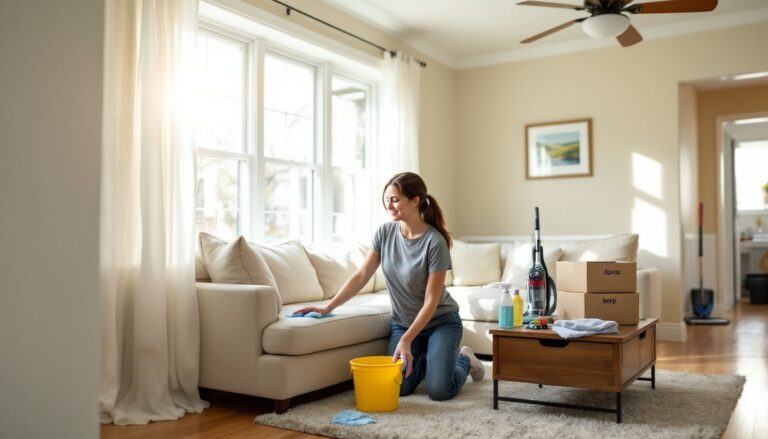
Vacuum upholstered furniture monthly using the brush attachment. Flip and rotate cushions to distribute wear evenly. Spot-clean stains immediately, waiting makes removal harder.
Bedroom Cleaning Essentials:
Wash bedding weekly in hot water to kill dust mites. Vacuum mattresses monthly and flip them every three months. These steps improve sleep quality and extend mattress life.
Clean under the bed regularly. This often-ignored space collects dust bunnies and allergens. A long-handled duster reaches areas vacuums can’t access easily.
Time-Saving Cleaning Hacks
Professional cleaners work smarter, not harder. These best cleaning hacks cut time without sacrificing results.
The Two-Minute Rule: If a task takes less than two minutes, do it immediately. Wiping a counter, putting dishes in the dishwasher, or hanging up clothes, these small actions prevent larger messes from forming.
Clean While You Wait: Use otherwise wasted time productively. Wipe down the bathroom mirror while conditioner sets in hair. Clean refrigerator shelves while dinner cooks. These micro-cleaning sessions add up fast.
Use a Lint Roller on Lampshades: Vacuuming fabric lampshades rarely works well. A lint roller removes dust and pet hair in seconds. It’s also effective on upholstered furniture.
Dishwasher Double Duty: Many items besides dishes clean safely in the dishwasher. Plastic toys, soap dishes, toothbrush holders, and vent covers all benefit from this method. Check that items are dishwasher-safe first.
The Sock Method: Wear an old sock on each hand dampened with cleaning solution. Dust blinds by running fingers along each slat. This technique cleans both sides simultaneously.
Dryer Sheet Magic: Used dryer sheets remove soap scum from glass shower doors. They also pick up dust from baseboards and blinds. Keep a stash in the cleaning caddy for these purposes.
These best cleaning shortcuts help busy homeowners maintain standards without spending entire weekends on chores.
How Often to Clean Different Areas
Knowing the right cleaning frequency prevents both over-cleaning and neglect. This schedule reflects best cleaning practices for most households.
Daily Tasks:
- Make beds
- Wipe kitchen counters and stovetop
- Wash dishes or run dishwasher
- Spot-clean spills immediately
- Quick bathroom sink wipe-down
Weekly Tasks:
- Vacuum all floors
- Mop hard surfaces
- Clean toilets thoroughly
- Dust furniture and surfaces
- Change bed linens
- Clean mirrors and glass
Monthly Tasks:
- Deep clean appliances (oven, microwave, refrigerator)
- Vacuum upholstery and mattresses
- Wash shower curtains and bath mats
- Clean window sills and tracks
- Dust ceiling fans and light fixtures
- Wipe cabinet fronts
Seasonal Tasks (Every 3-6 Months):
- Wash windows inside and out
- Deep clean carpets
- Flip and rotate mattresses
- Clean behind and under large appliances
- Organize closets and declutter
- Clean gutters and outdoor areas
Households with pets, children, or allergy sufferers may need more frequent cleaning in certain areas. Adjust this schedule based on specific needs.
The best cleaning habits develop through consistency rather than intensity. Small daily efforts prevent the need for exhausting weekend deep-clean sessions.