Table of Contents
ToggleTop cleaning methods can transform any home from cluttered to spotless. A clean home improves air quality, reduces stress, and creates a welcoming space for family and guests. Yet many people spend hours scrubbing without seeing real results. The problem isn’t effort, it’s strategy.
This guide covers proven cleaning techniques that work. Readers will learn which supplies matter most, how to tackle each room efficiently, and simple hacks that cut cleaning time in half. Whether someone cleans daily or saves it for weekends, these tips deliver visible results without exhausting anyone in the process.
Key Takeaways
- Top cleaning success depends on strategy, not just effort—using the right tools and techniques saves time and delivers better results.
- Microfiber cloths, a quality vacuum with HEPA filters, and multi-surface cleaners form the foundation of an effective cleaning routine.
- Clean rooms from top to bottom to prevent dust from resettling on already-cleaned surfaces.
- The 15-minute focused cleaning hack tackles any room effectively without feeling overwhelming.
- Establish a consistent cleaning schedule with daily, weekly, and monthly tasks to avoid exhausting marathon sessions.
- Prevent problems before they start—use a squeegee after showers, clean as you cook, and run exhaust fans to reduce moisture and buildup.
Essential Cleaning Supplies You Need
Every effective top cleaning routine starts with the right tools. Skipping this step leads to wasted time and mediocre results. Here’s what actually matters.
Microfiber cloths outperform paper towels and old rags. They trap dust and dirt instead of pushing it around. A pack of 10-15 cloths handles an entire home and lasts for years with proper washing.
A quality vacuum cleaner makes the biggest difference in floor care. Look for models with HEPA filters if anyone in the household has allergies. Cordless stick vacuums work well for quick daily pickups, while canister or upright models handle deep cleaning better.
Multi-surface cleaners simplify the process. One good spray handles counters, appliances, and most hard surfaces. For tougher jobs, keep separate products: glass cleaner for mirrors and windows, a degreaser for kitchen buildup, and a bathroom-specific cleaner that tackles soap scum and hard water stains.
Scrub brushes in multiple sizes reach places sponges can’t. A stiff brush works on grout and tile. A smaller brush cleans around faucets and drains. An old toothbrush handles tiny crevices.
A good mop system matters more than people realize. Spray mops with washable pads offer convenience for regular maintenance. Traditional mops with buckets provide deeper cleaning power for monthly sessions.
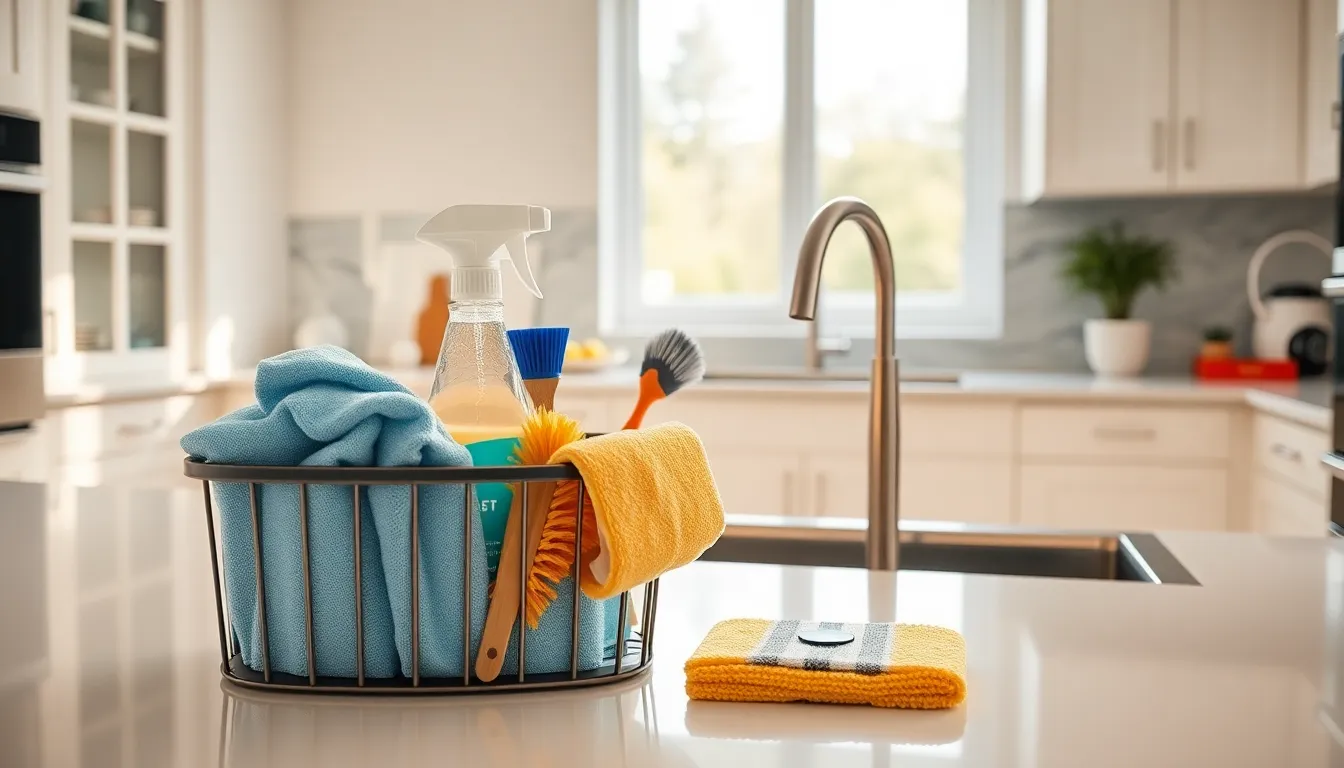
Other essentials include rubber gloves, a squeegee for shower doors, and a extendable duster for ceiling fans and high corners. Stock up on trash bags, and consider keeping a small caddy to carry supplies from room to room.
Room-by-Room Cleaning Strategies
Top cleaning results come from treating each space according to its specific challenges. A bathroom needs different attention than a bedroom. Here’s how to approach each area.
Kitchen and Bathroom Deep Cleaning
Kitchens and bathrooms share a common enemy: moisture and grime buildup. Both spaces require frequent attention to stay sanitary.
In the kitchen, start with the sink. It often harbors more bacteria than a toilet seat. Scrub it with baking soda and rinse with hot water daily. Clean the garbage disposal by running ice cubes and lemon peels through it weekly.
Countertops need wiping after every meal prep session. Grease splatters near the stove demand a degreaser, regular cleaners won’t cut through cooking oil effectively. Pull appliances forward monthly to clean behind them. Crumbs and spills accumulate in these hidden spots.
The refrigerator deserves attention every two weeks. Remove expired items, wipe shelves, and clean door handles. The microwave interior cleans easily: heat a bowl of water with lemon juice for three minutes, then wipe the loosened splatter.
Bathrooms benefit from daily surface wipes. Keep cleaning wipes under the sink for quick counter and toilet seat swipes. Deep clean weekly: scrub the toilet bowl, clean the shower or tub, and mop the floor. Soap scum builds up fast on glass doors, a squeegee after each shower prevents most of it.
Ventilation matters in both spaces. Run exhaust fans during and after showers. Open windows when cooking. Moisture breeds mold, and prevention beats treatment every time.
Living Spaces and Bedrooms
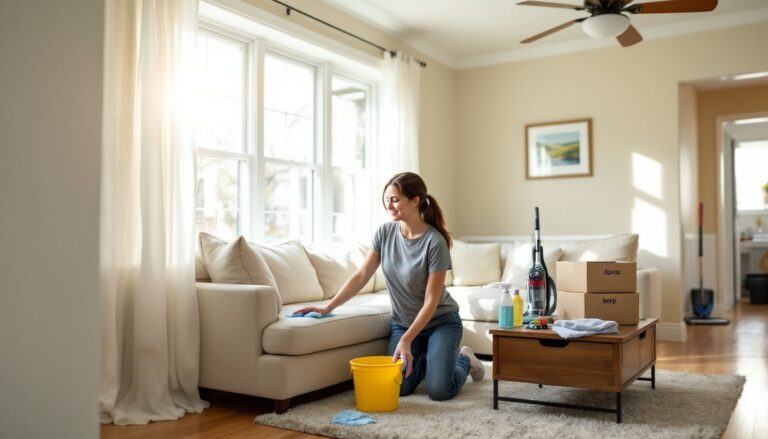
Living rooms and bedrooms accumulate dust, pet hair, and general clutter. The top cleaning approach here focuses on surfaces and fabrics.
Dust settles everywhere: shelves, electronics, window sills, baseboards. Work from top to bottom so falling dust lands on surfaces you haven’t cleaned yet. Use a damp microfiber cloth rather than a dry duster, which just redistributes particles.
Upholstered furniture traps allergens. Vacuum sofas and chairs monthly using the upholstery attachment. Wash removable cushion covers quarterly. Spot-treat stains immediately, letting them set makes removal much harder.
Bedding requires weekly washing. Sheets, pillowcases, and blankets collect skin cells, sweat, and dust mites. Hot water kills more allergens than cold. Pillows themselves need washing every three to six months.
Floors in these rooms see constant traffic. Vacuum carpets twice weekly in high-traffic areas. Hard floors need sweeping or vacuuming, then mopping. Area rugs should be vacuumed on both sides and professionally cleaned annually.
Time-Saving Cleaning Hacks
Smart shortcuts make top cleaning faster without sacrificing quality. These hacks help busy people maintain clean homes.
The “one in, one out” rule prevents clutter from accumulating. Every new item that enters the home means an old one leaves. Less stuff means less to clean and organize.
Clean as you go in the kitchen. Wash prep dishes while food cooks. Wipe counters immediately after use. This habit eliminates the dreaded post-meal cleanup mountain.
Set a timer for 15 minutes and clean one area intensively. The time limit creates urgency and prevents overwhelm. Most rooms look dramatically better after just 15 focused minutes.
Line trash cans with multiple bags at once. When one fills up, remove it, and a fresh bag is already in place. Simple but effective.
Use dryer sheets on baseboards. The sheets repel dust and leave a fresh scent. Wipe them along baseboards after cleaning, dust won’t settle as quickly.
Dishwasher deep cleaning hack: Place a cup of white vinegar on the top rack and run an empty hot cycle monthly. It removes buildup and odors without scrubbing.
Keep cleaning supplies in each bathroom. Walking back and forth to a central closet wastes time. Small caddies under each sink encourage quick cleanups.
Lint rollers work beyond laundry. They pick up dust from lampshades, pet hair from furniture, and crumbs from drawers. Keep one in each main room.
How Often to Clean Different Areas
Consistency matters more than intensity. A top cleaning schedule spreads tasks across days and weeks, preventing exhausting marathon sessions.
Daily tasks keep things manageable:
- Make beds
- Wipe kitchen counters and stovetop
- Wash dishes or run dishwasher
- Quick bathroom surface wipe
- Pick up clutter for 5-10 minutes
Weekly tasks maintain cleanliness:
- Vacuum all floors
- Mop hard floors
- Clean bathrooms thoroughly
- Dust surfaces
- Change bed linens
- Wipe kitchen appliance exteriors
Monthly tasks handle deeper cleaning:
- Clean inside refrigerator
- Wash window interiors
- Dust ceiling fans and light fixtures
- Clean oven interior
- Vacuum upholstery and mattresses
- Wash bathroom rugs and shower curtains
Quarterly tasks address less obvious areas:
- Move furniture and clean underneath
- Wash pillows and comforters
- Clean behind and under appliances
- Organize closets and donate unused items
- Deep clean carpets
Yearly tasks complete the cycle:
- Professional carpet cleaning
- Wash curtains and drapes
- Clean gutters
- Power wash exterior surfaces
- Deep clean garage or storage areas
Adjust these frequencies based on household size, pets, and personal preferences. Homes with children or animals need more frequent attention. Single adults living alone may extend some intervals.