Table of Contents
ToggleSlow drains, foul odors, and backed-up sinks aren’t just annoying, they’re warning signs that your plumbing system needs attention. In Indianapolis, where aging infrastructure meets hard water and seasonal temperature swings, drain problems are a fact of homeownership. Whether it’s hair and soap scum clogging your shower, grease buildup in the kitchen, or tree roots invading your sewer line, knowing when to grab a plunger and when to call in a pro can save hundreds in water damage and repair bills. This guide walks through the most common drain issues, practical DIY fixes, and how to choose reliable drain cleaning Indianapolis IN services when the job exceeds your toolbox.
Key Takeaways
- Common Indianapolis drain problems like hair clogs, grease buildup, and tree root intrusion require different solutions, from DIY plunging to professional hydro-jetting.
- Try effective DIY drain cleaning methods first—plunging, manual snakes, and natural baking soda and vinegar flushes work for most household clogs before calling a professional.
- Call a licensed drain cleaning Indianapolis IN service when multiple drains back up simultaneously, sewage odors persist, or tree roots have invaded your sewer line.
- Choose reputable drain services by verifying their Indiana plumbing license, requesting video camera inspection, and getting upfront written estimates to avoid costly mistakes.
- Prevent future drain problems with simple monthly habits: install hair catchers, avoid pouring grease down drains, run hot water after use, and schedule camera inspections every 5-10 years for older homes.
Common Drain Problems Indianapolis Homeowners Face
Indianapolis homes, especially those built before the 1970s, often feature cast iron or clay sewer pipes that corrode or crack over time. Tree roots from mature maples and oaks seek out moisture and infiltrate these weakened joints, causing recurring backups. Hard water deposits also accumulate faster here than in softer-water regions, narrowing drain lines gradually.
Kitchen sink clogs typically stem from grease, coffee grounds, and food particles that solidify in the P-trap or farther down the line. Even with a garbage disposal, fibrous vegetables and starchy foods create stubborn blockages.
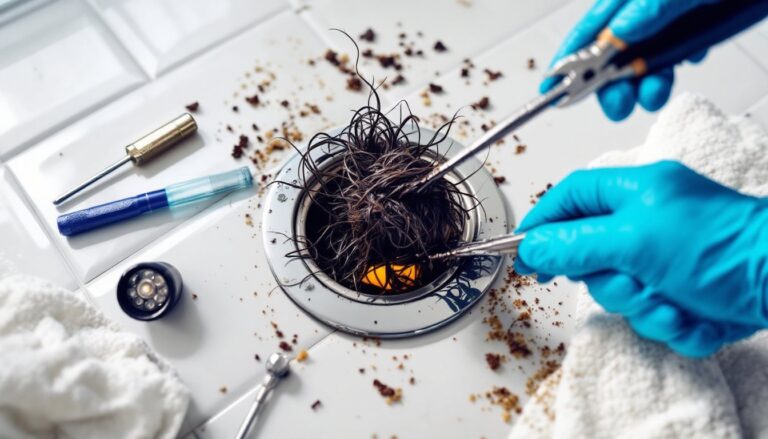
Bathroom drain clogs form when hair binds with soap scum and toothpaste residue. Shower and tub drains are the worst offenders, and the slow trickle often goes ignored until standing water becomes unavoidable.
Main sewer line blockages are the most disruptive. Symptoms include multiple drains backing up simultaneously, gurgling toilets when you run the washing machine, and sewage odors in the basement or yard. Tree root intrusion, collapsed pipe sections, and sludge buildup from decades of use are the usual culprits.
Basement floor drain backups happen during heavy rains when combined sewer systems in older Indianapolis neighborhoods become overwhelmed, or when a home’s sump pump fails. These backups can introduce contaminated water into finished basements, requiring immediate attention.
DIY Drain Cleaning Methods That Actually Work
Before spending money on a service call, try these methods for straightforward clogs. Always wear safety glasses and nitrile gloves, drain cleaners and wastewater carry bacteria and caustic chemicals.
Plunger technique: Use a cup plunger (flat-bottomed) for sinks and tubs, not a flange plunger designed for toilets. Fill the sink with two to three inches of water to create a seal, block the overflow opening with a wet rag, and plunge with short, forceful strokes, not wild pumping. Twenty to thirty consistent plunges often break up or dislodge clogs in the trap.
Manual snake (drum auger): A 25-foot drum auger with a 1/4-inch cable handles most sink and tub clogs. Feed the cable slowly into the drain, cranking the handle clockwise as you push. When you hit resistance, work the snake back and forth to break up the clog or snag hair and debris. Pull the cable out slowly and rinse thoroughly. You can rent larger 50-foot augers for floor drains or cleanouts.
Removing and cleaning the P-trap: Place a bucket under the curved trap beneath your sink. Loosen the slip nuts by hand or with slip-joint pliers, then pull the trap free. Dump the contents and scrub the inside with a bottle brush and hot, soapy water. Check the tailpiece and drain arm for buildup before reassembling. Replace worn rubber washers if the connections leak after reinstallation.
Wet/dry vacuum method: For shallow clogs near the drain opening, set a shop vac to wet mode, create a tight seal over the drain (you can use an old plunger head or duct tape), and run it at full suction for 30 seconds. This works surprisingly well for hair clogs in showers.
Natural Cleaning Solutions for Minor Clogs
For slow drains without complete blockages, natural cleaners can dissolve organic buildup without damaging pipes or introducing harsh chemicals into your septic system if you have one.
Baking soda and vinegar flush: Pour one cup of baking soda directly into the dry drain, followed by one cup of white vinegar. The fizzing reaction helps loosen light soap scum and grease. Cover the drain with a wet rag or stopper for 15 minutes, then flush with a full kettle of boiling water. This method won’t clear solid clogs but works as monthly maintenance.
Enzymatic drain cleaners: Products containing bacterial enzymes break down organic matter, hair, soap, grease, over six to eight hours. They’re safe for all pipe types including PVC, ABS, and old cast iron. Pour the recommended amount (usually 4-8 ounces) into the drain before bed and let it work overnight. Repeat weekly for heavily used drains.
Salt and baking soda scrub: Mix one cup of table salt with one cup of baking soda and pour it down the drain. Let it sit for 20 minutes, then flush with boiling water. The abrasive action helps scour pipe walls of sticky residue.
Avoid commercial chemical drain cleaners (sodium hydroxide or sulfuric acid) except as a last resort. They generate heat that can warp PVC joints, corrode metal pipes, and create dangerous fumes. They’re also ineffective against root intrusions or solid obstructions.
When to Call a Professional Drain Cleaning Service
Some clogs exceed DIY tools and safety limits. Call a licensed plumber for these situations:
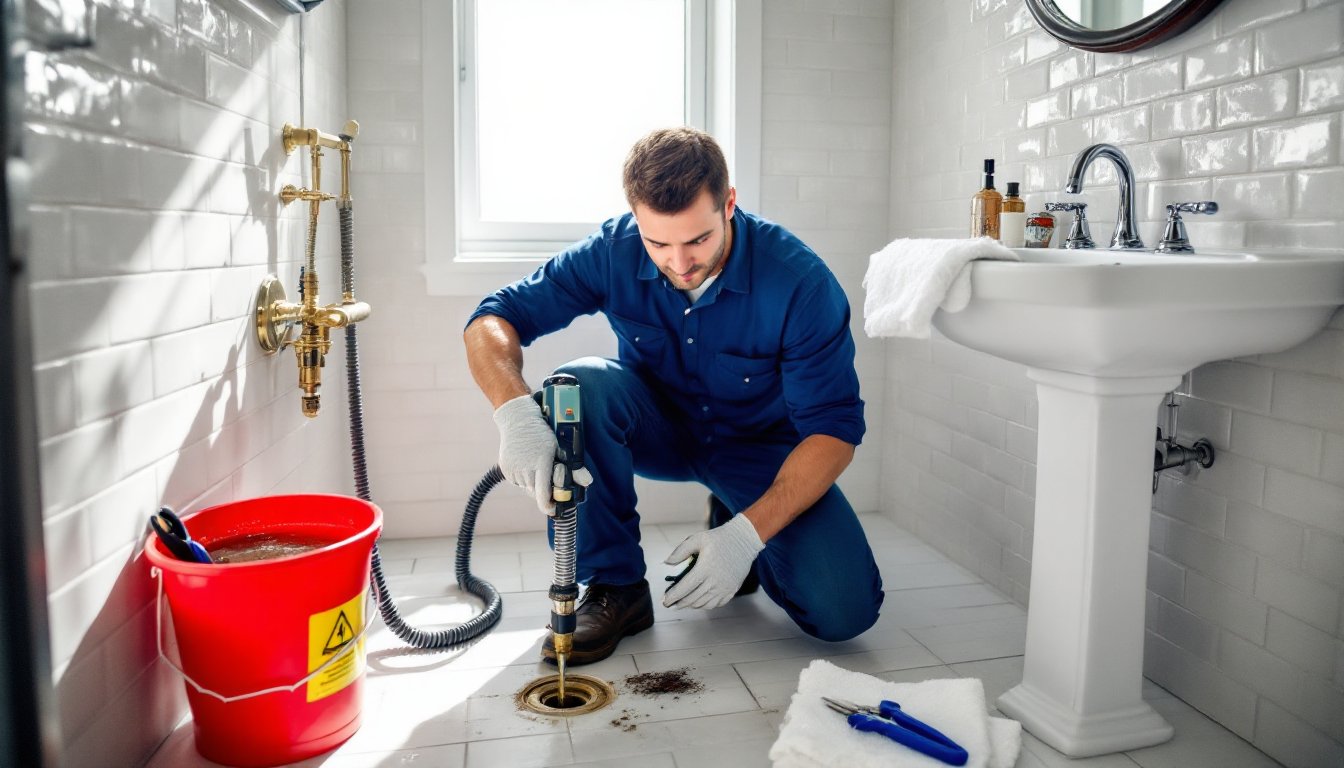
Multiple drains backing up at once. This indicates a main sewer line blockage, not an isolated trap clog. You’ll need a motorized sewer auger (often 100+ feet) and possibly a sewer camera inspection to locate the obstruction.
Persistent clogs that return within days. If you’re snaking the same drain weekly, there’s likely a deeper problem, partial pipe collapse, severe scale buildup, or root intrusion that requires hydro-jetting or pipe repair.
Sewage backing up into the home. This is a health hazard requiring immediate professional response. Don’t use any plumbing fixtures until the main line is cleared, and avoid contact with contaminated water.
Foul odors from drains even though cleaning. Persistent sewer gas smells can indicate a broken vent pipe, dried-out P-trap, or cracked drain line allowing gases to escape. These issues require inspection and possible code-compliance repairs.
Tree root invasion. If you’ve seen roots in a cleanout or have mature trees within 20 feet of your sewer line, professional hydro-jetting (high-pressure water at 3,000-4,000 PSI) is the effective solution. Some companies offer root-cutting auger heads, but hydro-jetting clears the entire pipe diameter and flushes debris.
Frozen drain lines. Winter temperatures in Indianapolis occasionally freeze exterior cleanouts, floor drains in unheated garages, or undersized vent stacks. Professionals use heat tape, steamers, or hot-water jetters safely, never use a torch or excessive heat that can crack pipes.
Many homeowners consult resources like HomeAdvisor to understand typical project costs and find qualified contractors, which helps set realistic expectations before contacting local services.
How to Choose the Right Indianapolis Drain Cleaning Company
Not all drain services are created equal. Here’s how to vet contractors and avoid the lowball operators who create more problems than they solve.
Check licensing and insurance. In Indiana, plumbers performing drain cleaning must hold a licensed plumber’s credential or work under a master plumber. Ask for their license number and verify it with the Indiana Professional Licensing Agency. Liability insurance protects you if they damage your pipes or property.
Ask about equipment and methods. Reputable companies use video camera inspection to diagnose main line issues before cutting or jetting. They should explain whether they’ll use a cable auger, hydro-jetter, or both, and why. Be wary of anyone who won’t inspect first and just wants to start cutting.
Get upfront pricing. Expect a service call fee ($100-$150 in the Indianapolis area) that covers diagnosis and minor augering. Larger jobs like hydro-jetting a main line or camera inspection carry separate fees ($300-$600 and $150-$300 respectively). Ask for a written estimate before work begins. Emergency after-hours calls typically add 50-100% to the base rate.
Read reviews for responsiveness and honesty. Check Google, Yelp, and platforms like Angi that list verified customer feedback for drain cleaning Indianapolis IN specialists. Look for patterns: do they show up on time, clean up after themselves, and explain what they found?
Ask about warranties. Many companies warranty their drain cleaning work for 30-90 days. If the same clog returns during that window, they’ll re-service at no charge. Get this in writing.
Avoid high-pressure sales tactics. If a company pushes unnecessary services (whole-house repiping for a single clog, expensive chemical treatments, or scare tactics about imminent collapse), get a second opinion. Honest contractors present options and let you decide.
For broader cost benchmarking and planning, some homeowners also reference guides on ImproveNet to compare regional pricing for plumbing projects and understand what’s typical for their market.
Preventive Maintenance Tips to Keep Your Drains Clear
An ounce of prevention beats a $400 service call. Build these habits into your home maintenance routine.
Install drain screens and hair catchers. Stainless steel or silicone mesh screens cost $5-$15 and catch 90% of hair and debris before it enters the trap. Clean them weekly.
Never pour grease down kitchen drains. Let cooking fats cool in a can or jar, then toss in the trash. Even small amounts accumulate and solidify in pipes, especially during cold Indianapolis winters.
Run hot water after every sink use. Thirty seconds of hot tap water helps flush soap, toothpaste, and small particles through the trap and into the main line before they congeal.
Monthly enzymatic treatments. Pour 4-8 ounces of bacterial enzyme cleaner down each drain once a month, ideally before bed so it works overnight. This digests organic buildup before it becomes a clog.
Flush floor drains quarterly. Basement and garage floor drains dry out if unused, allowing sewer gases to escape and losing their trap seal. Pour a gallon of water down every three months to keep the P-trap full.
Trim trees near sewer lines. If you have mature trees (especially willows, maples, or elms) within 20 feet of your main sewer line, consider professional root barrier installation or periodic hydro-jetting every two to three years as preventive maintenance.
Schedule a camera inspection every 5-10 years. For homes over 30 years old, a sewer line camera inspection ($150-$300) identifies developing problems, root intrusion, corrosion, sagging sections, before they cause a catastrophic backup. Catching issues early can mean a $1,500 spot repair instead of a $8,000 full-line replacement.
Avoid chemical drain cleaners as regular maintenance. They don’t prevent clogs and corrode pipes over time, especially older metal lines. Stick with mechanical and enzymatic methods.
Conclusion
Most drain issues start small, a slow trickle, a faint odor, and escalate when ignored. DIY methods handle everyday clogs effectively if you act early and use the right tools. But main line blockages, root intrusions, and recurring problems require professional equipment and expertise. By understanding what you can tackle yourself and recognizing when to call in experienced drain cleaning Indianapolis IN professionals, homeowners avoid costly water damage and keep their plumbing systems running smoothly for years.