Table of Contents
ToggleMost homeowners run their dishwashers daily without thinking much about cleaning the machine itself. Over time, food particles, grease, soap scum, and hard water deposits build up inside the tub, spray arms, and filter, leading to funky odors, cloudy dishes, and reduced cleaning performance. The good news? A simple vinegar cleaning cycle can restore your dishwasher’s efficiency without harsh chemicals or expensive cleaners. This guide walks through exactly how to use white vinegar to clean a dishwasher, why it works, and how often the maintenance should happen to keep the appliance running at peak performance.
Key Takeaways
- Dishwasher cleaning with vinegar effectively dissolves mineral deposits, soap scum, and grease buildup using just 2 cups of distilled white vinegar and a hot water cycle.
- White distilled vinegar is a non-toxic, biodegradable alternative to harsh commercial cleaners that safely breaks down hard water stains without damaging rubber seals or stainless steel interiors.
- Perform a monthly vinegar cleaning cycle for most households, or every two weeks in areas with hard water, and check filters weekly to prevent odors and poor cleaning performance.
- Never mix vinegar with baking soda in the same cycle (they neutralize each other) or bleach (which creates toxic chlorine gas); always use vinegar alone for the deep-clean cycle.
- Combine dishwasher cleaning maintenance with practical habits like scraping dishes before loading, running hot water first, and leaving the door ajar after cycles to extend the appliance’s lifespan to 10–13 years.
- For stubborn stains after vinegar cleaning, run a separate short cycle with baking soda at the bottom to act as a gentle abrasive and further neutralize lingering odors.
Why Vinegar Is the Perfect Natural Dishwasher Cleaner
White distilled vinegar is mildly acidic (typically around 5% acetic acid), which makes it effective at breaking down mineral deposits, dissolving soap scum, and cutting through grease buildup. Unlike commercial dishwasher cleaners that rely on harsh surfactants or phosphates, vinegar is non-toxic, biodegradable, and safe for septic systems.
The acidity targets hard water stains, those chalky white films caused by calcium and magnesium deposits, without damaging rubber seals, plastic components, or stainless steel interiors. It also neutralizes odors rather than masking them with artificial fragrances.
One caution: vinegar shouldn’t be used in the same cycle as baking soda or bleach. Mixing vinegar and baking soda creates a fizzy reaction that neutralizes both compounds, rendering them ineffective. Bleach and vinegar together produce toxic chlorine gas. Stick to vinegar alone for the deep-clean cycle.
Vinegar won’t fix mechanical issues like a clogged drain pump or a faulty heating element, but for routine grime and mineral buildup, it’s hard to beat for effectiveness and cost. A gallon of distilled white vinegar runs $2–4 and can handle multiple cleaning cycles.
What You’ll Need for Vinegar Dishwasher Cleaning
This is a low-lift project with minimal supplies. Gather the following before starting:
Materials:
- 2 cups distilled white vinegar (avoid apple cider or flavored vinegars: they can leave residue)
- Soft cloth or sponge
- Old toothbrush or small scrub brush
- Dish soap (for hand-cleaning the filter)
Tools:
- None required beyond what’s already in the kitchen
Safety Gear:
- Rubber gloves (optional, but helpful if cleaning a particularly grimy filter)
That’s it. No specialty cleaners, no power tools. The entire process relies on the dishwasher’s own spray system and heat to do the heavy lifting. If the dishwasher hasn’t been cleaned in months (or ever), expect the filter and spray arms to need a bit of manual scrubbing before running the vinegar cycle.
Step-by-Step: How to Clean Your Dishwasher with Vinegar
Preparing Your Dishwasher for the Vinegar Cycle
Start by removing all dishes, racks, and utensil holders. Check the bottom of the tub for any food debris or standing water that shouldn’t be there. A small puddle is normal: anything more suggests a drain issue that needs addressing separately.
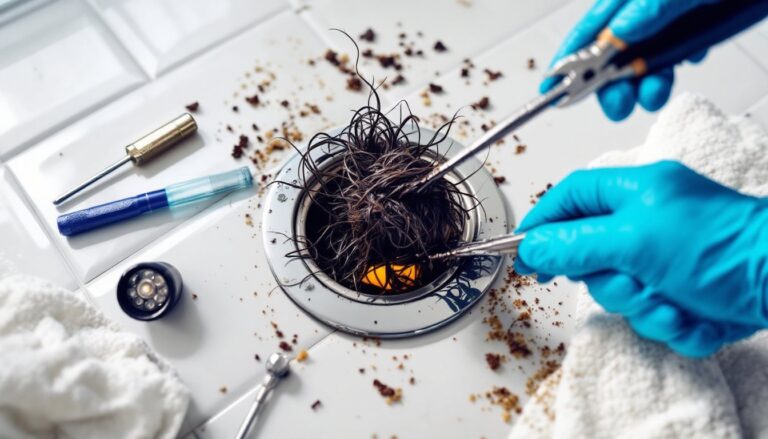
Locate the filter assembly at the bottom of the tub. Most modern dishwashers use a cylindrical or flat mesh filter that twists or lifts out. Consult the owner’s manual if it’s not immediately obvious, filter designs vary by manufacturer (Bosch, Whirlpool, KitchenAid, GE, etc.). Remove the filter and rinse it under hot running water, using the toothbrush to scrub away trapped food particles and grease. Stubborn buildup may require a soak in warm soapy water for 10–15 minutes.
Next, inspect the spray arms (usually one on the bottom and one or two on the upper rack supports). These arms have small holes that can clog with mineral deposits or debris. Remove them by unscrewing or unclipping (again, check the manual), then use a toothpick or the toothbrush to clear any blocked holes. Rinse thoroughly and set aside.
Wipe down the door edges, rubber gasket, and detergent dispenser with a damp cloth. These areas collect gunk that the spray arms can’t reach. Pay special attention to the gasket, trapped food particles can cause mold or odors.
Reinstall the filter and spray arms once they’re clean.
Running the Vinegar Cleaning Cycle
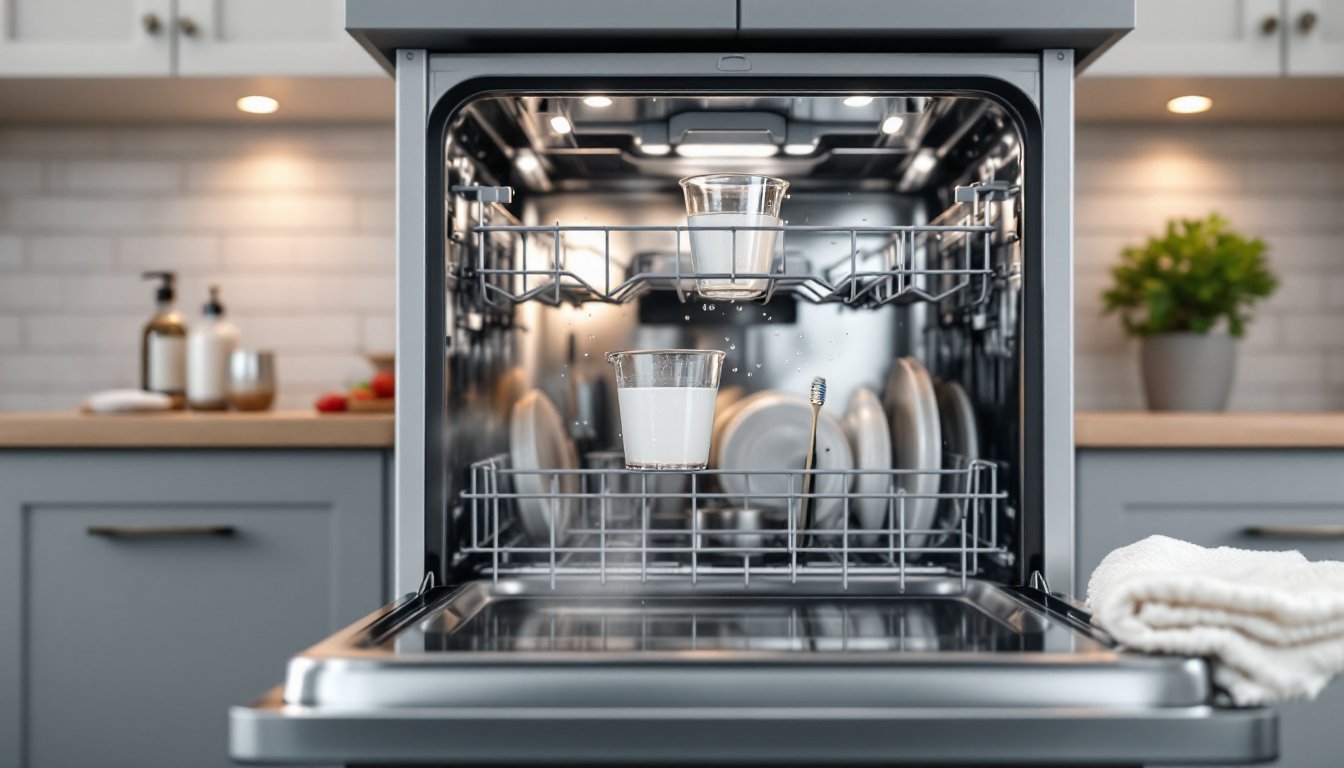
Place a dishwasher-safe measuring cup or bowl containing 2 cups of distilled white vinegar on the top rack. Some people prefer to pour the vinegar directly into the bottom of the tub, but using a container on the top rack allows the vinegar to gradually dispense throughout the cycle as the spray action agitates the water.
Close the door and run a full hot water cycle with no detergent. Select the longest, hottest cycle available, often labeled “Heavy” or “Pots & Pans.” The high temperature (typically 130–170°F depending on the model) helps the vinegar break down grease and mineral deposits more effectively. Avoid using the “Heated Dry” setting: air-drying is fine and saves energy.
Let the cycle run completely. The vinegar will circulate through the spray arms, wash tub, and drain system, dissolving buildup and deodorizing as it goes. The smell during the cycle is noticeable but dissipates quickly once the door is opened.
Once the cycle finishes, open the door and let the interior air out for 15–20 minutes. Wipe down any remaining moisture or loosened debris with a clean cloth. The tub should look noticeably cleaner, with reduced cloudiness on the walls and a fresher smell.
For extra-stubborn stains or lingering odors, sprinkle 1 cup of baking soda across the bottom of the tub and run a short hot cycle (without vinegar, remember, don’t mix them in the same cycle). The baking soda acts as a gentle abrasive and further neutralizes odors. This is an optional step, not required for routine maintenance.
How Often Should You Clean Your Dishwasher with Vinegar?
For most households, a monthly vinegar cleaning cycle is sufficient to prevent buildup and maintain performance. If the home has particularly hard water (common in areas with high mineral content), consider increasing to every two weeks. Hard water accelerates scale formation, which vinegar addresses directly.
The filter should be checked and cleaned more frequently, ideally every week or two, depending on how heavily the dishwasher is used. A clogged filter is the most common cause of poor cleaning results and odors. Many cleaning routines recommend incorporating filter maintenance into a weekly kitchen cleaning checklist.
Signs the dishwasher needs cleaning sooner:
- Dishes come out cloudy or with a film, even after a full cycle
- Persistent musty or sour odors when opening the door
- Visible buildup on the interior walls or door
- Water pooling at the bottom after the cycle completes
- Reduced spray pressure from the arms
Skipping regular cleaning won’t damage the dishwasher immediately, but it shortens the appliance’s lifespan and forces it to work harder, increasing energy and water usage. A well-maintained dishwasher typically lasts 10–13 years: neglected units often fail sooner due to clogged pumps or corroded components.
Additional Tips for Maintaining a Clean Dishwasher
Beyond the vinegar cycle, a few simple habits keep the dishwasher in top shape:
Scrape, don’t rinse. Modern dishwashers and detergents are designed to handle food residue. Pre-rinsing dishes wastes water and can actually reduce cleaning performance, many detergents need some soil to activate their enzymes. Just scrape off large chunks before loading.
Run hot water at the sink first. Before starting a cycle, let the kitchen faucet run until the water is hot. This ensures the dishwasher fills with hot water from the start, improving detergent activation and grease removal.
Use the right detergent amount. More isn’t better. Excess detergent leaves residue that contributes to buildup. Follow the manufacturer’s guidelines, and consider switching to a rinse aid if hard water is an issue. Rinse aids help water sheet off dishes, reducing spots and film.
Leave the door ajar. After a cycle, crack the door open for 30 minutes to let moisture escape. This prevents mold and mildew growth in the gasket and tub. Some newer models have an auto-open feature for this purpose.
Check the drain. Once a month, inspect the drain area (where the filter sits) for any foreign objects, twist ties, broken glass, fruit stickers, that could clog the pump. These small items often slip through the filter and cause problems downstream.
Wipe the exterior. Fingerprints, splashes, and dust accumulate on the door and control panel. A quick wipe with a damp microfiber cloth keeps stainless steel or plastic exteriors looking sharp. For stainless, wipe in the direction of the grain to avoid streaks.
Avoid overloading. Cramming too many dishes blocks spray arms and prevents proper water circulation. If items aren’t getting clean, the issue is often poor loading technique rather than a dirty dishwasher. Plates should face inward, bowls angle downward, and nothing should block the detergent dispenser.
If the dishwasher continues to underperform after a thorough vinegar cleaning and filter maintenance, the issue may be mechanical, a failing pump, heating element, or spray arm bearing. At that point, consult a qualified appliance technician. Most service calls run $100–200 for diagnostics and minor repairs, which is far cheaper than replacing a $400–1,200 dishwasher.
For those interested in other natural home maintenance approaches, vinegar also works well for cleaning garbage disposals, descaling coffee makers, and removing soap scum from washing machine drums. It’s a versatile, low-cost staple that belongs in every DIYer’s cleaning arsenal.