Table of Contents
ToggleStanding in an inch of murky water while your shower drain gurgles isn’t anyone’s idea of a good morning. When plungers fail and chemical cleaners don’t cut it, a drain cleaning machine becomes the DIYer’s best friend. These tools range from handheld electric snakes to heavy-duty hydro-jetters, each designed to tackle different types of clogs. Whether you’re dealing with a hair-clogged bathroom sink or a grease-blocked kitchen line, knowing which machine to use, and how to use it safely, can save hundreds in plumber fees and keep your drains flowing freely.
Key Takeaways
- Drain cleaning machines like electric snakes and hydro-jetters physically break apart clogs using rotating cables or high-pressure water jets, offering a cost-effective alternative to professional plumbers for most household blockages.
- Choose a handheld electric snake for bathroom drains ($40–$150) or a drum auger with a ½-inch cable ($150–$600) for kitchens and main lines, depending on clog location and pipe size.
- Always wear safety goggles and gloves when operating a drain cleaning machine, avoid forcing cables through old pipes, and stop after 3–4 attempts if the clog won’t clear—it may indicate a collapsed pipe or joint.
- Regular maintenance—wiping cables, lubricating moving parts, cleaning cutting heads, and storing machines in dry conditions—can double the lifespan of your drain cleaning equipment.
- Hydro-jetting excels at removing grease buildup and roots without grinding debris, but requires careful handling due to backspray risks and potential damage to older galvanized or clay pipes under high pressure.
What Are Drain Cleaning Machines and How Do They Work?
Drain cleaning machines are motorized or manual tools designed to clear blockages in residential and commercial plumbing lines. Unlike chemical drain cleaners that dissolve organic matter, these machines physically break apart or retrieve clogs using rotating cables, cutting heads, or high-pressure water jets.
The most common type, the drain auger or drain snake, uses a flexible metal cable (typically ¼-inch to ½-inch diameter) tipped with a corkscrew-shaped head or cutting blade. When the operator feeds the cable into the drain line and activates the motor, the cable rotates at high speed (usually 400-600 RPM) to drill through hair, soap scum, grease, and other obstructions. The rotating motion either shreds the clog into small pieces that wash away or hooks onto debris so it can be pulled back out.
Hydro-jetting machines take a different approach. They pump water at extreme pressures, typically 1,500 to 4,000 PSI for residential models, through a specialized nozzle inserted into the drain. The high-pressure water jets scour pipe walls clean, blasting away grease buildup, mineral deposits, and tree roots. Some nozzles spray forward to break up clogs, while others spray backward to propel the hose through the line.
Most residential drain machines can handle pipes ranging from 1½-inch to 4-inch diameter, covering everything from bathroom sinks to main sewer lines. Commercial-grade models tackle larger pipes up to 10 inches or more.
Types of Drain Cleaning Machines for Different Clogs
Choosing the right machine depends on clog location, pipe size, and obstruction type. Here’s what works for common scenarios.
Electric Drain Snakes and Augers
Handheld electric drain snakes are the workhorse for bathroom sinks, tubs, and shower drains. These compact tools use ¼-inch cables extending 15 to 25 feet, enough to reach most P-traps and short horizontal runs. They’re ideal for hair and soap clogs but lack the muscle for heavy grease or root intrusions. Expect to pay $40 to $150 for a decent handheld model.
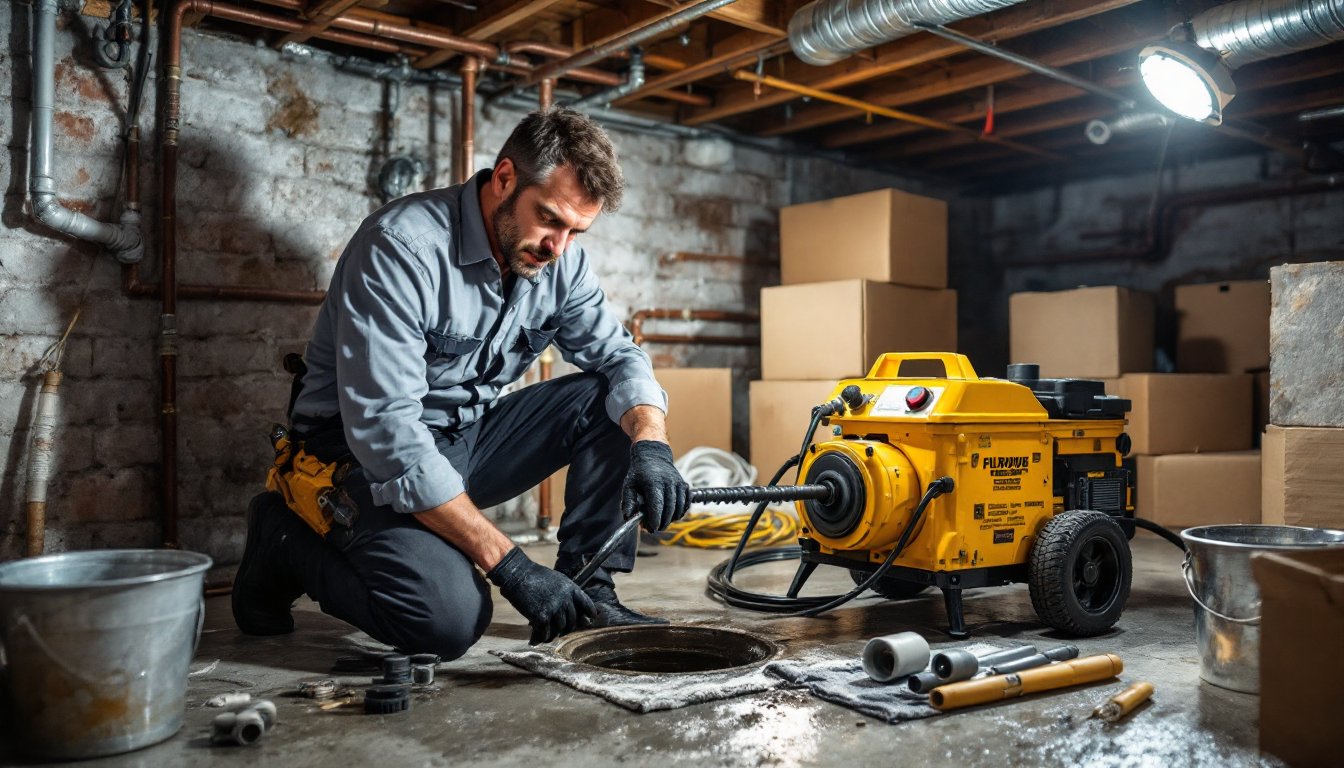
Drum augers (also called canister snakes) step up the power. The cable coils inside a drum-shaped housing, and a motor or hand crank spins the entire assembly. Professional-grade drum augers feature ½-inch cables reaching 50 to 100 feet, making them suitable for kitchen sinks, floor drains, and even outdoor cleanouts. Cable length and diameter determine what they can handle: the best drain snakes for DIY use typically offer 3/8-inch to ½-inch cables with interchangeable cutting heads for roots, grease, and scale. Prices range from $150 to $600.
Sectional cable machines are what pros bring for mainline stoppages. Instead of a coiled drum, they use cable sections that lock together, allowing operators to feed 100+ feet into sewer lines. These machines deliver serious torque and accept aggressive cutting tools, but they’re overkill (and expensive at $800 to $3,000+) for routine household clogs. Unless you’re maintaining a multi-unit property, rent one when needed.
Hydro-Jetting Machines
Hydro-jetters excel where cables can’t: removing grease buildup, flushing sand and silt, and cutting back roots without grinding them into pulp that re-clogs the line. Entry-level electric models produce 1,500 to 2,000 PSI and work well for 1½-inch to 3-inch lines, think kitchen drains with chronic grease issues or laundry standpipes clogged with lint and detergent residue.
Gas-powered jetters generating 3,000 to 4,000 PSI handle 4-inch sewer mains and can reach 200+ feet with the right hose length. They’re loud, heavy, and require outdoor use due to exhaust fumes. Most homeowners are better served renting a jetter for annual maintenance rather than buying one outright ($1,200 to $5,000+).
Safety note: Hydro-jetting creates significant backspray. Always wear waterproof gloves, safety goggles, and protective clothing. Never aim a jetter nozzle at anyone, and confirm your pipes can handle the pressure, old galvanized or clay lines may fracture under high PSI.
Choosing the Right Drain Cleaning Machine for Your Home
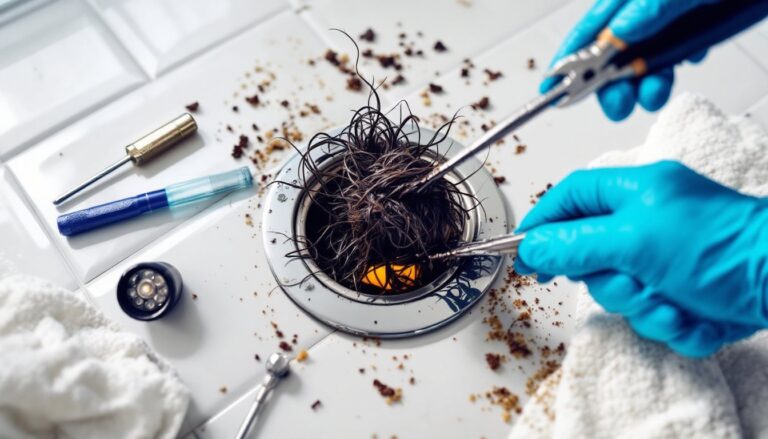
Start by identifying your most common clogs. If you’re constantly fishing hair out of the shower drain, a handheld electric snake with a ¼-inch cable solves 90% of bathroom issues for under $100. Look for models with a reversible motor, forward rotation breaks up clogs, reverse helps retrieve the cable if it snags.
For kitchens prone to grease buildup or homes on septic systems with frequent main-line slowdowns, a drum auger with a ½-inch cable offers more versatility. Pay attention to cable length: 50 feet reaches most residential cleanouts, but if your sewer line runs under a long driveway, you may need 75 to 100 feet. Machines with interchangeable heads (root cutters, grease cutters, retrieving hooks) handle a wider range of obstructions.
Pipe material matters. PVC and ABS plastic drain lines tolerate aggressive augering, but cast iron and old clay pipes can crack if you force a cable through corroded sections. If your home was built before 1980 and still has original plumbing, consider a camera inspection before running a machine down the main line. Many tool rental centers offer drain cameras for around $50/day, cheap insurance against a cracked pipe.
Power source is another factor. Corded electric models deliver consistent torque and work fine for indoor drains near outlets. Battery-powered snakes (usually 18V to 20V lithium-ion) offer portability but may lack punch for tough clogs. For outdoor cleanouts far from power, a gas-powered auger is the call, though noise and fumes make them unsuitable for enclosed spaces.
Weight and portability count when you’re lugging equipment up stairs or into tight crawlspaces. Handheld snakes weigh 5 to 15 pounds, while drum augers range from 30 to 80 pounds. If you have mobility concerns or multi-story plumbing, a lighter machine, or a second set of hands, makes the job less grueling.
Don’t forget about the drain cleaning machines tested by independent reviewers: real-world performance often differs from manufacturer claims.
How to Use a Drain Cleaning Machine Safely and Effectively
Prep work prevents damage. Before powering up any machine, remove the drain stopper or strainer and clear standing water if possible, it keeps you from spraying dirty water everywhere. For floor drains and cleanouts, have a bucket and rags ready: backflow is common once you break through a clog.
Feed the cable manually first. Insert the cable into the drain until you feel resistance (the clog or a bend in the pipe). Lock the cable in place, then start the motor. Let the rotation do the work, forcing the cable causes kinks and can punch through old pipe joints. For cleaning drains the right way, advance the cable slowly, no more than a few inches per second.
Use steady pressure, not brute force. If the cable stops advancing, pull back slightly and let it spin in place for 10-15 seconds to chew through the obstruction. Then push forward again. Forcing it risks cable breakage or pipe damage. If you hit a sharp bend (like a P-trap elbow), the cable may coil back on itself, pull back, reposition, and try again at a different angle.
Retrieve debris when possible. Once you’ve broken through the clog and water starts draining, reverse the motor and slowly withdraw the cable. Hair, grease clumps, and other gunk often wrap around the cutting head: clean it off before the next pass. For stubborn blockages, make multiple runs, switching to a different head if the first one doesn’t clear the line.
Flush the line afterward. Run hot water for 3-5 minutes to wash away loosened debris. For grease clogs, follow up with a grease-cutting detergent (not acidic chemical cleaners, which can corrode pipes and damage machine cables).
Safety essentials: Always wear safety goggles and heavy-duty gloves, cables can whip unexpectedly if they snag, and drain water carries bacteria. Keep hands and loose clothing away from the motor and rotating cable. Never operate a drain machine while standing in water if it’s electric-powered: shock risk is real. If working on a main sewer line, be prepared for sewage backflow and dress accordingly (waterproof boots, disposable coveralls).
If the clog won’t budge after 3-4 attempts, stop. You may be hitting a collapsed pipe, a fitting joint, or something the machine can’t handle (like a flushed toy wedged in a bend). At that point, call a licensed plumber with a camera inspection rig.
Maintenance Tips to Keep Your Drain Cleaning Machine Running Smoothly
Cable care makes or breaks machine longevity. After each use, wipe down the cable with a rag to remove hair, grease, and grit. Inspect for kinks, fraying, or broken strands, a damaged cable can snap mid-job and leave you fishing it out of a drainpipe. Store cables loosely coiled or in the drum: tight bends weaken the steel over time.
Lubricate moving parts every 10-15 uses or per the manufacturer’s schedule. Cable guides, drum bearings, and motor brushes (on corded models) need periodic greasing to prevent seizing. Use a light machine oil or the lubricant specified in your owner’s manual, heavy grease attracts debris and gums up the works.
Clean cutting heads and attachments immediately after use. Grease and mineral buildup dull blades and reduce cutting efficiency. Soak metal heads in hot, soapy water, scrub with a wire brush, and dry thoroughly to prevent rust. Replace worn or chipped heads, a dull cutter forces you to work harder and increases the chance of cable damage.
For electric models, check the power cord and plug for cracks or exposed wiring. Drain machines often get dragged across rough surfaces and soaked with water: damaged cords are a shock hazard. Inspect battery terminals on cordless tools for corrosion, and store batteries at partial charge (around 40-60%) if the machine sits unused for months.
If your machine has a GFCI-protected plug, test it monthly by pressing the test and reset buttons. GFCI protection is critical when operating near water.
Storage matters. Keep machines in a dry space away from freezing temperatures, water trapped in pump housings or hoses can crack components. Coil hoses and cables loosely to avoid permanent kinks. If you won’t use the machine for an extended period, run it briefly every few months to keep seals and bearings from sticking.
For hydro-jetters, flush the pump with clean water after every use to remove sediment and prevent mineral buildup. Check nozzle orifices for clogs, even a partial blockage throws off spray patterns and reduces cleaning power.
Routine upkeep takes 10 minutes per use but can double the life of a $300+ machine. Skip it, and you’ll be shopping for a replacement in a year instead of a decade.