Table of Contents
ToggleTempe’s hard water and desert dust don’t do your drains any favors. Between mineral buildup, soap scum, and the occasional invasive tree root seeking moisture, clogs are a fact of life in Arizona homes. The good news? Most drain issues are preventable, and many can be cleared without calling a plumber, if you know what you’re dealing with and which tools to reach for. This guide covers the common culprits behind slow drains, effective DIY cleaning methods, when to stop and call for backup, and how to keep your pipes flowing year-round.
Key Takeaways
- Drain cleaning in Tempe requires understanding local challenges like hard water mineral deposits, soap scum, and tree root infiltration that are unique to Arizona homes.
- DIY methods such as hot water with dish soap, baking soda and vinegar solutions, and manual drain snakes can effectively clear minor to moderate clogs before professional help is needed.
- Multiple slow drains, persistent clogs returning within weeks, or water backing up into other fixtures are red flags indicating main sewer line issues that require professional drain cleaning services.
- Preventive maintenance—including drain screens, avoiding grease disposal, weekly hot water flushing, and professional cleaning every 18-24 months for older homes—saves money and keeps pipes flowing year-round.
- A water softener significantly reduces hard water mineral buildup in Tempe homes and protects pipes, fixtures, and appliances from accelerated corrosion and clogging.
Common Causes of Drain Clogs in Tempe Homes
Understanding what’s blocking your drain makes clearing it, and preventing the next one, much easier.
Hard water mineral deposits top the list. Tempe’s municipal water contains high levels of calcium and magnesium, which accumulate inside pipes over time. The buildup narrows the drain diameter and creates a rough surface that catches soap, hair, and grease. If you notice white or chalky residue around faucet aerators, your pipes are dealing with the same thing internally.
Hair and soap scum form the classic bathroom clog. Soap binds with hard water minerals and hair to create a sticky, fibrous mass that lodges in P-traps and drain bends. Even “soap-free” body washes contain oils and surfactants that contribute to buildup.
Grease and food particles are the kitchen drain killers. Grease solidifies as it cools, coating pipe walls and trapping food scraps, coffee grounds, and starchy residues. Garbage disposals help, but they don’t eliminate the problem, grease still makes it into the pipes.
Tree roots are a silent threat in older Tempe neighborhoods. Roots infiltrate sewer lines through tiny cracks or joints, seeking moisture. Once inside, they expand and create major blockages. If multiple drains are slow or you hear gurgling from toilets, suspect a main line issue.
Foreign objects round out the list, everything from kids’ toys to “flushable” wipes (which aren’t actually flushable). Cotton swabs, dental floss, and hygiene products don’t break down and often snag on existing buildup.
DIY Drain Cleaning Methods That Actually Work
Before you grab a chemical drain cleaner, try these methods. They’re safer for pipes, septic systems, and your respiratory system.
Natural Solutions for Minor Clogs
For slow drains (not complete blockages), start with hot water and dish soap. Boil a kettle of water, add a quarter-cup of degreasing dish soap to the drain, then pour the hot water slowly. The soap acts as a lubricant while the heat softens grease. Repeat twice. This works best on kitchen sinks with grease buildup.
The baking soda and vinegar combo gets overhyped, but it does help with light organic buildup. Pour one cup of baking soda down the drain, followed by one cup of white vinegar. Cover the drain opening with a wet rag to contain the fizzing reaction. Wait 30 minutes, then flush with hot water. The effervescent action dislodges loose debris, but it won’t break through solid clogs or mineral deposits.
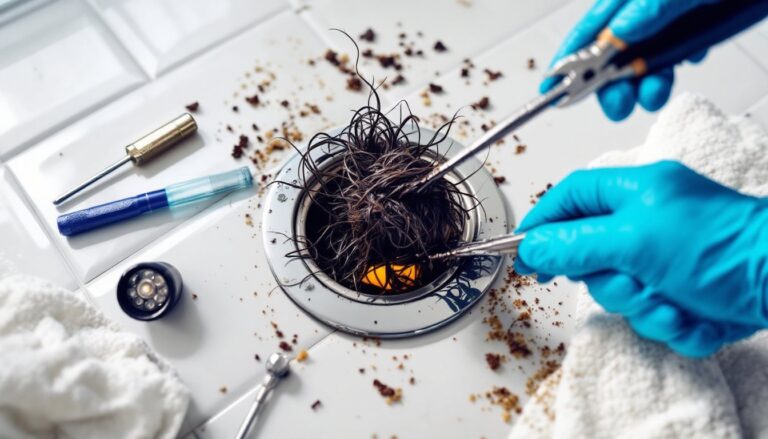
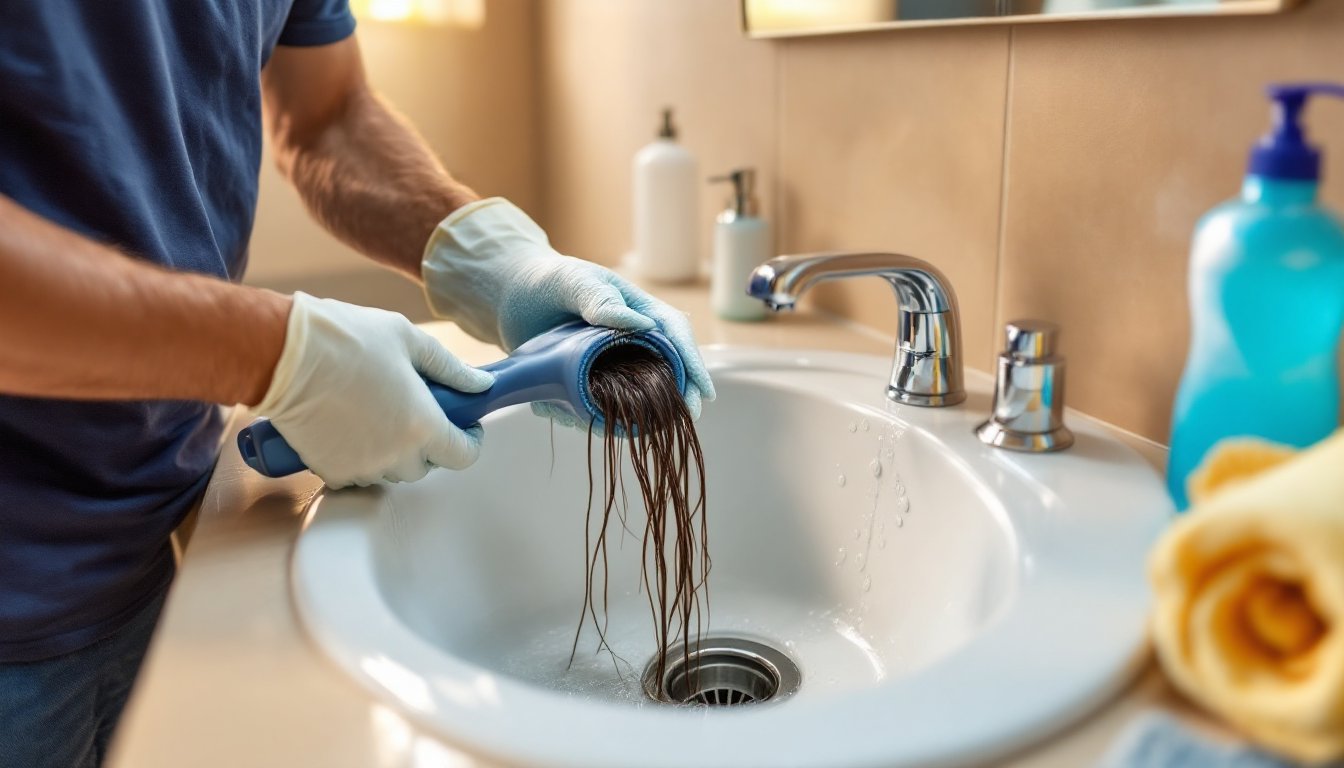
For bathroom sinks and tubs, remove the stopper or drain cover first, you’d be surprised how much hair and gunk accumulates there. Use a bent wire hanger or a Zip-It tool (a plastic strip with barbed edges) to fish out hair clogs from the P-trap area. Wear gloves: it’s unpleasant but effective.
Avoid commercial chemical drain cleaners unless absolutely necessary. Products containing sodium hydroxide or sulfuric acid generate heat and can damage PVC pipes, especially if used repeatedly. They’re also hazardous if they splash or if you later need to use a plunger or snake in a drain full of caustic liquid. If you do use them, follow label directions exactly and never mix products.
When to Use a Plunger vs. a Drain Snake
A plunger works on clogs close to the drain opening, typically within the first few feet of pipe. Use a cup plunger for sinks and tubs (flat-bottomed) and a flange plunger for toilets (with an extended rubber flap). Block the overflow opening with a wet rag to create better suction. Plunge with firm, steady strokes for 15-20 seconds, then pull up sharply. Repeat several times. If water starts draining, flush with hot water to clear residual debris.
A drain snake (also called a drain auger) handles clogs deeper in the line. Manual snakes work for most household clogs: they’re available in 15- to 25-foot lengths at any hardware store. Feed the cable into the drain until you hit resistance, then crank the handle clockwise while pushing forward. The coiled tip will either break through the clog or snag it so you can pull it out. Retract slowly and run hot water afterward. Some homeowners invest in plumbing repair tools that include powered augers for recurring issues.
For toilet clogs, try a plunger first. If that fails, a closet auger, a specialized short snake with a protective sleeve, prevents scratching the porcelain. Never use a standard drain snake in a toilet: you’ll crack the trap.
If you’ve snaked 15-20 feet and still hit a blockage, or if water backs up into other fixtures, the clog is likely in the main sewer line. Stop and call a professional. You’re beyond DIY territory.
Signs You Need Professional Drain Cleaning Services
Some clogs need more than a plunger and elbow grease. Here’s when to stop DIYing and pick up the phone.
Multiple slow drains indicate a problem in the main sewer line, not individual fixtures. If your kitchen sink, bathroom sink, and tub all drain sluggishly, or if flushing the toilet causes the tub to gurgle, there’s a blockage downstream that’s affecting the whole system.
Persistent clogs that return within days or weeks after clearing suggest an underlying issue: severe mineral buildup, a bellied pipe (sagging section that traps debris), or root intrusion. Professional hydro-jetting, using high-pressure water to scour pipe interiors, may be necessary.
Sewage odors coming from drains signal a venting problem or a partial blockage allowing sewer gas to escape. This isn’t just unpleasant: it’s a health hazard. Methane and hydrogen sulfide are toxic at high concentrations.
Water backing up into other fixtures is a red flag. If running the washing machine causes the toilet to overflow, or if water appears in the tub when you flush, the main line is blocked. Turn off water supply and call a plumber immediately to prevent sewage backup into living spaces.
Standing water around floor drains or in the yard near sewer lines suggests a cracked or collapsed pipe. This requires camera inspection and potentially excavation.
Many Tempe residents rely on local drain cleaning services for main line issues, especially in older homes with cast iron or clay sewer pipes. Licensed plumbers have camera equipment to diagnose the exact location and cause of blockages, plus specialized tools like motorized augers and hydro-jetters that homeowners don’t typically own.
Preventive Maintenance Tips for Tempe Homeowners
An ounce of prevention beats a pound of snaking. These habits keep drains flowing and save you emergency plumber rates.
Install drain screens on every sink, tub, and shower. Stainless steel mesh screens catch hair, food particles, and debris before they enter pipes. Clean them weekly, just lift, dump, rinse, and replace.
Never pour grease down the drain. Let cooking oil cool, then dispose of it in the trash. Wipe greasy pans with paper towels before washing. Even small amounts of fat accumulate over time.
Flush drains weekly with hot water. After your evening dishwashing, run the hottest tap water for 30-60 seconds to keep grease and soap moving through the pipes. For kitchen sinks with garbage disposals, grind a handful of ice cubes and rock salt monthly to scour the impellers and clear residue.
Use a water softener if you haven’t already. Tempe’s hard water is brutal on pipes, fixtures, and appliances. Softened water reduces mineral buildup significantly. If a whole-house system isn’t in the budget, at least use a shower filter in bathrooms to protect those drains.
Schedule professional drain cleaning every 18-24 months for older homes (pre-1980s with cast iron or galvanized steel pipes). Preventive hydro-jetting costs less than emergency repairs. Newer homes with PVC drains can stretch this to 3-5 years unless you’re noticing slowdowns. You can research typical costs and scheduling through resources like HomeAdvisor to compare local service providers.
Mind what goes down the garbage disposal. Disposals handle soft food scraps, not fibrous vegetables (celery, asparagus), starchy foods (potato peels, pasta), or expandable items (rice, oatmeal). Coffee grounds seem harmless but accumulate like sludge in traps. When in doubt, compost it or trash it.
Run water before, during, and after using the disposal, cold water, specifically. It solidifies any grease so the disposal can chop it up, and it flushes debris through the pipes. Run the water for 10-15 seconds after the disposal stops grinding.
Avoid chemical maintenance products. Monthly “drain care” chemicals are just low-concentration versions of the harsh cleaners mentioned earlier. They create a false sense of security while slowly corroding pipes.
Inspect outdoor cleanouts annually. Most homes have a sewer cleanout, a capped pipe in the yard or garage providing access to the main line. Make sure you know where yours is. Check that the cap is secure and the area around it is dry. Soggy ground or foul odors indicate a leak or blockage.
Conclusion
Clear drains aren’t glamorous, but they’re essential. Most Tempe homeowners can handle routine clogs with basic tools and a little patience. Know when you’re in over your head, though, main line issues and persistent blockages need professional equipment and expertise. Stick to the preventive habits above, and you’ll spend a lot less time staring into a sink full of standing water.