Table of Contents
TogglePortland’s older housing stock, combined with the region’s heavy rainfall and aging plumbing infrastructure, creates the perfect storm for stubborn drain clogs. Whether it’s a slow-draining kitchen sink, a backed-up shower, or an ominous gurgling sound from the toilet, drain problems won’t fix themselves. This guide walks homeowners through what causes clogs in Portland homes, which problems they can tackle themselves, and when it’s time to call in professional help. Understanding the difference between a simple blockage and a mainline issue can save hundreds of dollars, and prevent a basement full of sewage.
Key Takeaways
- Portland’s drain cleaning challenges stem from aging pipes, tree root infiltration, and hard water mineral buildup unique to the region’s climate and infrastructure.
- DIY mechanical methods like drain snakes, P-trap removal, and shop vacs are effective for shallow clogs, while baking soda and vinegar work best for preventive maintenance of slow-draining sinks.
- Drain cleaning requires professional help when multiple drains are slow, sewage backs up, or gurgling sounds persist—signs of main line blockages that hand augers cannot reach.
- Licensed plumbers with Oregon CCB certification should be hired over handymen, and you should get estimates from at least three companies and request video camera inspections for main line issues.
- Preventive drain maintenance—installing strainers, avoiding grease disposal, running hot water after use, and annual professional hydro-jetting—prevents costly clogs in Portland homes with older plumbing systems.
Common Causes of Drain Clogs in Portland Homes
Portland’s plumbing faces unique challenges that homeowners in drier climates don’t deal with. Tree roots aggressively seek water sources, and the city’s iconic street trees, especially maples and firs, can infiltrate sewer laterals through hairline cracks in older clay or cast iron pipes. Homes built before 1980 often have galvanized steel drain lines that corrode from the inside, creating rough surfaces where grease and debris accumulate.
Hair remains the most common culprit in bathroom drains, especially when combined with soap residue that forms a sticky matrix. Kitchen sinks suffer from FOG buildup, fats, oils, and grease that coat pipes and harden as they cool. Even “flushable” wipes don’t break down like toilet paper and frequently cause backups in the main sewer line.
Portland’s hard water, ranging from 3 to 7 grains per gallon depending on your water district, deposits mineral scale inside pipes over time. This narrows the effective diameter and catches debris that would normally flow through. Basement floor drains can collect sediment during heavy rain events, while washing machine standpipes often clog with lint if a proper lint trap isn’t installed.
DIY Drain Cleaning Methods That Actually Work
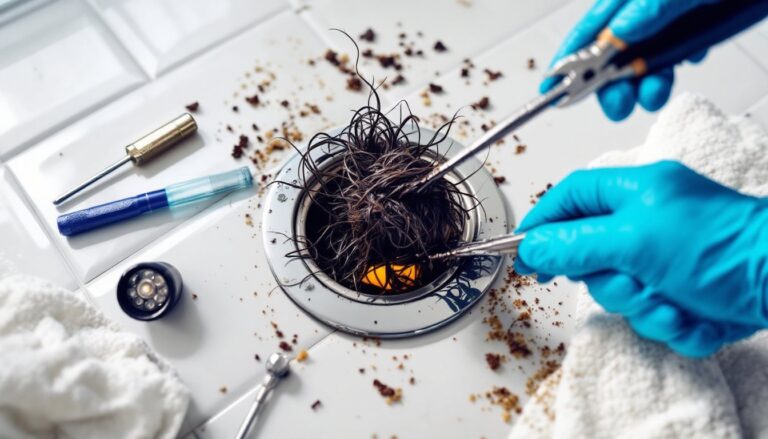
Before reaching for chemical drain cleaners, which can damage pipes and rarely solve the underlying problem, try mechanical methods that address the blockage directly. For bathroom sink and tub drains, remove the pop-up stopper or drain cover and use a bent wire coat hanger or a drain claw tool (about $5 at any hardware store) to pull out hair clogs. Wear nitrile gloves: it’s disgusting work but usually effective.
A 6-foot drain snake (also called a hand auger) handles clogs 2 to 6 feet down the line. Feed the cable slowly while turning the handle clockwise, never force it, or you risk perforating old pipes. When you hit resistance, work the snake back and forth to break up the clog or hook it for removal. Pull the cable out slowly and clean debris off as you go. This tool works on most bathroom sinks, tubs, and shower drains.
For kitchen sinks with P-traps you can access, place a bucket underneath, loosen the slip nuts with channel-lock pliers, and remove the trap. Most clogs sit right there in the curve. Clean it thoroughly before reassembling, this is also when you’ll find that lost earring or ring. Make sure slip nuts are hand-tight plus a quarter-turn with pliers: over-tightening cracks plastic traps.
Wet/dry shop vacs can pull clogs out through suction. Seal the vent opening, set the vac to liquids mode, create a tight seal around the drain opening with a wet rag, and run it for 10-15 seconds. This works surprisingly well on shallow clogs.
Natural Solutions for Clearing Minor Clogs
The baking soda and vinegar method has limits but works for minor buildup and regular maintenance. Pour a pot of boiling water down the drain first to soften grease (skip this step if you have PVC drain lines less than 3 years old, use hot tap water instead). Add ½ cup baking soda directly into the drain, followed by ½ cup white vinegar. Cover the drain with a wet rag to direct the reaction downward. Wait 15 minutes, then flush with another pot of hot water.
For grease clogs specifically, dish soap works better. Squirt ¼ cup of degreasing dish soap down the drain, wait 5 minutes, then flush with a gallon of boiling water poured from waist height to create pressure. The soap emulsifies grease so it can flow through.
Salt and baking soda create an abrasive scrub for minor buildup. Mix ½ cup each of both, pour down the drain, let sit for several hours or overnight, then flush with boiling water. This won’t clear a full blockage but helps maintain slow-draining sinks. Always wear safety glasses when working with drains, splashback happens.
When to Call a Professional Drain Cleaning Service
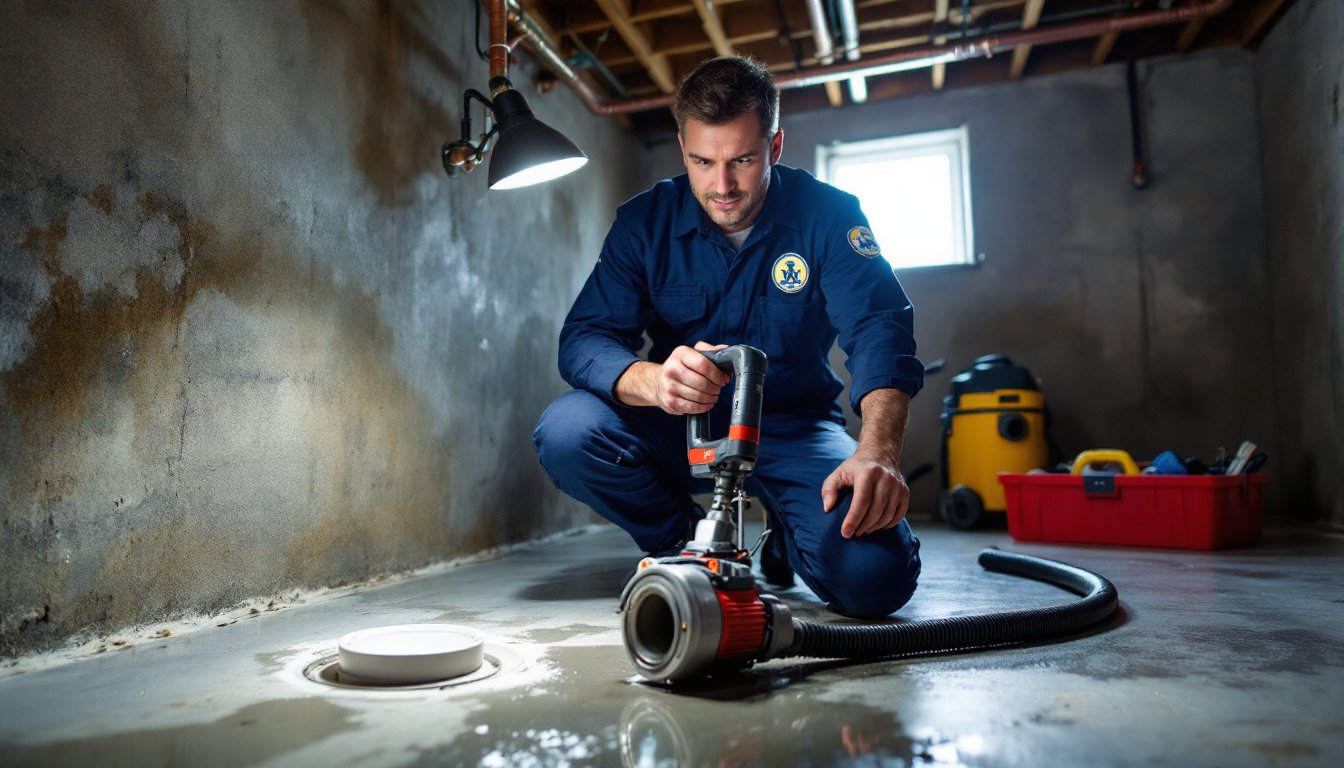
Some clogs require professional equipment and expertise. If you’ve snaked a drain twice without success, the blockage is likely beyond the reach of a hand auger, professional drain snakes extend 50 to 100 feet and include cutters for roots. Multiple slow drains throughout the house signal a main sewer line clog, which requires a cleanout access point and commercial-grade equipment.
Sewage backing up through floor drains or toilets is an emergency. Stop using all water in the house immediately and call a plumber. This usually means a complete blockage in the main line, and continued use will flood your basement or crawlspace. Depending on the severity and location, costs can range from a few hundred to over eight hundred dollars for extensive mainline work.
Gurgling sounds from drains when you run water elsewhere indicate venting problems or partial main line blockages. This is beyond DIY scope and often requires video camera inspection to locate the problem. Persistent slow drains that return shortly after snaking suggest either pipe damage, severe scale buildup, or root infiltration, all requiring professional diagnosis.
Chemical drain cleaners should be a last resort before calling a pro, never a first step. Sodium hydroxide or sulfuric acid-based cleaners generate heat and can melt PVC fittings, corrode metal pipes, and create toxic fumes. They’re especially dangerous if you’ve already tried snaking, residual chemicals can splash back. If you do use them, follow instructions exactly, ensure ventilation, and wear gloves and eye protection.
Choosing the Right Drain Cleaning Company in Portland
Portland has dozens of drain cleaning services, but quality and pricing vary significantly. Look for licensed plumbers (Oregon requires a CCB number, check it at oregon.gov/ccb) rather than handymen for drain work. Licensed plumbers carry liability insurance and follow proper procedures for waste disposal.
Get quotes from at least three companies. Legitimate services offer free estimates and won’t quote a final price without seeing the problem. Be wary of ads promising “$99 drain cleaning”, these are often bait-and-switch operations that upsell aggressively once they arrive. Reputable companies explain what they find using resources like those found on home improvement platforms that connect homeowners with vetted professionals.
Ask about their equipment and methods. Hydro-jetting uses high-pressure water (up to 4,000 PSI) to scour pipe walls clean and is the most effective method for grease and scale buildup. It costs more than cable snaking but provides longer-lasting results. Video camera inspection should be standard for main line clogs, you’re paying for information about pipe condition, not just clearing the immediate blockage.
Check reviews on multiple platforms, not just the company website. Look for patterns in complaints, occasional bad reviews happen, but repeated mentions of upselling, hidden fees, or incomplete work are red flags. Companies that belong to professional organizations (PHCC, IAPMO) typically maintain higher standards.
Preventive Maintenance Tips to Keep Your Drains Flowing
Most drain clogs are preventable with basic maintenance. Install drain strainers ($3-$10 each) in all sinks, tubs, and showers. The mesh style works better than flat perforated covers, they catch hair and debris without restricting flow significantly. Clean them weekly.
Never pour grease down kitchen drains. Let it cool in the pan, scrape it into a container, and throw it in the trash. Even running hot water while pouring grease doesn’t help, it just moves the problem farther down the line where it’ll harden and cause a worse clog. Wipe greasy pans with paper towels before washing.
Run hot water for 15-20 seconds after each sink use to push debris through the P-trap. Once a month, fill the sink to the overflow, then release it all at once, the volume creates scouring action. For garbage disposals, run cold water (not hot) during operation and for 10 seconds after to flush particles into the main line.
Flush rarely-used drains monthly. Floor drains, utility sink drains, and guest bathroom drains can dry out, allowing sewer gases to enter the home and debris to accumulate. Pour a gallon of water down each one to refill the trap. Using guides from renovation resources can help homeowners plan broader plumbing maintenance.
Consider annual professional maintenance if you have older pipes, mature trees near your sewer line, or a history of clogs. A plumber can hydro-jet main lines before tree roots or scale cause blockages. This preventive service costs less than emergency calls and extends pipe life. Keep records of where your sewer cleanout is located, usually a 3-4 inch white PVC or cast iron cap in the basement, crawl space, or yard. Knowing this saves time and money during emergencies.
Conclusion
Drain maintenance doesn’t require professional help for every minor clog, but knowing when you’re out of your depth prevents expensive damage. Mechanical methods beat chemicals, preventive habits beat emergency calls, and understanding Portland’s specific plumbing challenges, roots, rain, and aging infrastructure, helps homeowners stay ahead of problems. Keep a drain snake and strainers on hand, and build a relationship with a licensed plumber before you need one at 2 a.m.