Table of Contents
ToggleSlow drains aren’t just annoying, they’re a warning sign. Whether it’s a kitchen sink that won’t empty or a shower backing up mid-rinse, clogged drains disrupt daily routines and can lead to costly water damage if ignored. Glendale homeowners face unique challenges, from hard water mineral buildup to older plumbing systems in historic neighborhoods. This guide walks through the most common culprits behind drain clogs, proven DIY methods that actually clear blockages, and the red flags that mean it’s time to call in a professional. Plus, practical maintenance strategies to keep pipes flowing year-round.
Key Takeaways
- Drain cleaning in Glendale requires understanding local challenges like hard water mineral buildup and older plumbing systems that trap debris and sediment more easily.
- DIY drain cleaning methods—mechanical removal, boiling water, baking soda and vinegar, and enzyme treatments—resolve most minor to moderate clogs without damaging pipes.
- A 25-foot drain auger and cup plunger are essential tools every Glendale homeowner should own to tackle clogs within 10 feet of the drain opening.
- Call a professional drain cleaning service immediately if multiple fixtures back up simultaneously, recurring clogs persist, or sewage odors emerge, as these signal serious plumbing issues beyond DIY repair.
- Weekly hot water flushing, mesh drain screens, and monthly enzyme treatments prevent clogs and extend the life of your plumbing system in Glendale’s harsh water conditions.
Common Causes of Clogged Drains in Glendale Homes
Glendale’s water supply, sourced primarily from the Colorado River via the Central Arizona Project, carries significant mineral content. Hard water leaves calcium and magnesium deposits inside pipes over time, narrowing the passage and trapping debris. This buildup is especially problematic in homes built before 1990, where galvanized steel pipes corrode and catch more sediment.
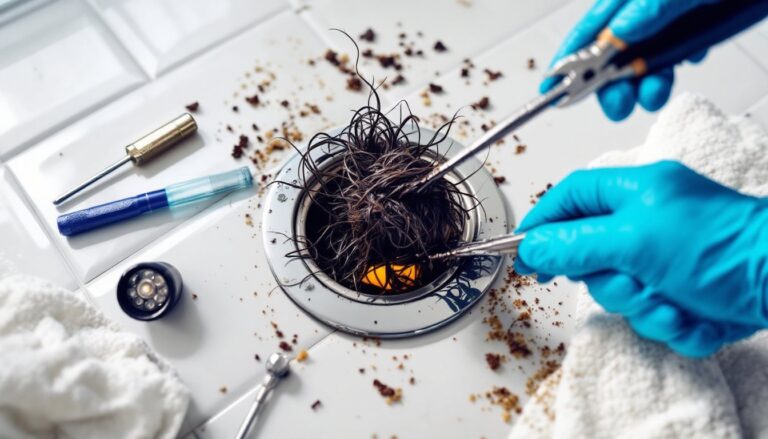
Hair and soap scum dominate bathroom clogs. A single shower drain can collect 50–100 strands of hair daily, which bind with soap residue to form dense mats. Bar soap, particularly those with added moisturizers, creates a waxy film that clings to pipe walls.
Kitchen drains fail for different reasons. Grease, fats, and oils (FOG) pour down liquid but solidify as they cool, coating pipes like plaque in an artery. Coffee grounds, eggshells, and fibrous vegetables (celery, potato peels) don’t break down in water and accumulate at bends in the drain line.
Tree root intrusion is a hidden threat in older Glendale neighborhoods with mature landscaping. Roots from mesquite, palo verde, and eucalyptus trees seek out moisture, infiltrating sewer lines through tiny cracks or loose joints. Once inside, they expand and create total blockages.
Finally, outdated or improper venting causes slow drains throughout the house. Plumbing vents equalize air pressure: without proper venting, drains gurgle and empty sluggishly even when no physical blockage exists. This often affects homes with unpermitted additions or DIY plumbing modifications.
DIY Drain Cleaning Methods That Actually Work
Natural Solutions for Minor Clogs
For slow drains without standing water, start with mechanical removal before chemicals. Pull the pop-up stopper or strainer basket and remove visible debris, this alone clears 30-40% of minor clogs.
The boiling water method works for grease-related kitchen clogs. Boil a full kettle (about 1 gallon) and pour it directly down the drain in two or three stages, allowing 5–10 seconds between pours. This melts fats clinging to PVC or ABS plastic pipes. Never use boiling water on older metal pipes or porcelain fixtures, thermal shock can crack joints.
Baking soda and vinegar create a fizzing reaction that dislodges light buildup. Pour 1/2 cup baking soda down the drain, follow with 1 cup white vinegar, and immediately cover the drain with a wet rag to direct the reaction downward. Wait 30 minutes, then flush with hot tap water. This method won’t clear heavy clogs but helps maintain already-flowing drains.
For tougher clogs, try enzyme-based drain cleaners. These products use bacteria cultures to digest organic matter (hair, soap, food waste) over 6–8 hours. They’re slower than chemical cleaners but won’t damage pipes or septic systems. Follow package directions precisely, most require leaving the drain unused overnight.
Tools Every Glendale Homeowner Should Have
A cup plunger (flat-bottomed) handles sink and tub clogs: a flange plunger (with an extended rubber collar) is designed for toilets. The technique matters: fill the fixture with enough water to cover the plunger cup, create a seal, and use short, forceful strokes. Twenty vigorous plunges usually move or break up blockages within 10 feet of the drain opening.
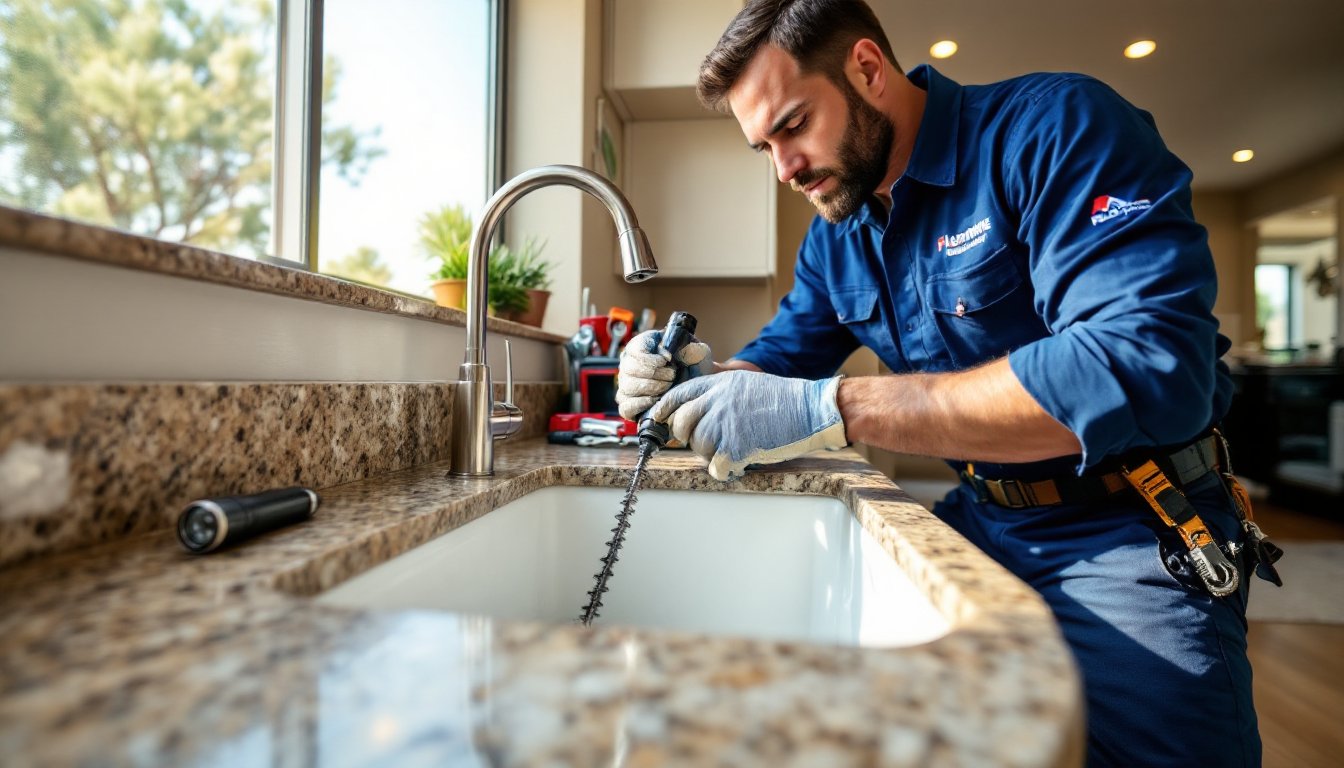
A 25-foot drain auger (also called a drum snake) tackles clogs beyond the trap. Feed the cable down the drain, crank the handle clockwise to break through or snag debris, then pull back while continuing to rotate. Expect to spend $25–$40 for a basic model at hardware stores. For bathtub and shower drains, look for models with a kink-proof inner core.
Zip-it style drain tools, thin plastic strips with barbed edges, excel at pulling hair from bathroom drains. Insert the tool fully, twist once, and extract. They’re single-use or good for 2–3 clogs before the teeth wear down. Cost: under $5 for a pack of three.
A wet/dry shop vacuum (6-gallon minimum) can reverse-suction stubborn clogs. Set it to liquids mode, create a tight seal over the drain opening with a damp towel, and run on high for 30–60 seconds. This method works well on clogs near the drain entrance but won’t reach deep blockages. When using cost estimators for tools, account for multi-project utility beyond just drain work.
When to Call a Professional Drain Cleaning Service
Multiple fixtures backing up simultaneously signals a main sewer line clog, not an isolated drain issue. If flushing an upstairs toilet causes water to rise in a downstairs shower, tree roots or a collapsed pipe is the likely culprit. This requires a motorized sewer auger (up to 100 feet) and often a camera inspection, equipment homeowners don’t typically own.
Recurring clogs in the same drain, even after clearing, point to underlying problems: improper slope in the drain line (should be 1/4 inch drop per foot), bellied pipe sections holding standing water, or partial collapses from settling foundations. A licensed plumber can run a video camera inspection to diagnose structural issues before they cause sewage backups.
Sewage odors coming from drains indicate a broken vent pipe or dry P-trap allowing sewer gases into the home. These gases contain methane and hydrogen sulfide, both flammable and toxic. Don’t attempt to fix vent stack issues yourself: they typically require roof access and proper sealing per International Residential Code (IRC) Section P3103.
Chemical drain cleaners that fail to clear a clog create a hazardous situation. The standing caustic solution (sodium hydroxide or sulfuric acid) can splash during plunging and cause chemical burns. Professional plumbers have neutralizing agents and protective equipment to safely remove the clog and drain the chemical.
Water backing up into a home, whether from a floor drain, toilet, or cleanout plug, constitutes a plumbing emergency. This often indicates a main line blockage that could flood finished living spaces with contaminated water. Most top-rated Glendale drain services offer 24-hour emergency response for these situations.
If the property has a septic system, persistent slow drains across all fixtures may signal a full tank or failing drain field, not a simple clog. Pumping is required every 3–5 years, and homeowners should never attempt to open or enter septic tanks due to toxic gas risks.
Preventive Maintenance Tips for Glendale Residents
Install mesh drain screens on all sinks, tubs, and showers. Stainless steel or silicone models with holes no larger than 1/8 inch catch hair and food particles while allowing water to flow. Empty them weekly, don’t wait until water pools.
Never pour cooking fats, oils, or grease down kitchen drains. Let them solidify in a container (an old coffee can works), then dispose in the trash. Even small amounts accumulate over time. Run cold water for 30 seconds after using the disposal to ensure food particles reach the main sewer line.
Flush drains with hot water weekly. For kitchen sinks, boil water once a week and pour it down in stages. For bathroom drains, run hot tap water for 2–3 minutes after each use to keep soap residue from hardening in the trap.
Enzyme treatments work as preventive maintenance, not just clog removers. Use monthly applications (about $8–$12 per bottle) to digest organic buildup before it becomes problematic. These are particularly useful in homes with septic systems, as they maintain healthy bacteria populations.
Inspect and clean P-traps under sinks every 6–12 months. Place a bucket underneath, unscrew the trap’s slip nuts (hand-tight only, no need for pliers), and remove accumulated gunk. Check the rubber washers for cracks while the trap is off: replace if they’re brittle.
For Glendale’s hard water, consider installing a whole-house water softener. While the upfront cost runs $800–$2,500 installed, softened water dramatically reduces mineral scaling in pipes, water heaters, and fixtures. When researching costs and contractors for larger improvements, resources like ImproveNet’s planning tools provide localized estimates.
Monitor outdoor cleanouts, the access points where your home’s drain line meets the city sewer. They’re typically white or black 4-inch PVC caps near the property line or in landscaping. If water seeps around the cap or pools nearby, you have a main line issue developing.
Avoid chemical drain cleaners for routine maintenance. Products containing sodium hydroxide or sulfuric acid corrode pipes with repeated use, especially at joints and bends. Older homes with metal drains are particularly vulnerable to chemical damage.
Conclusion
Most drain clogs in Glendale homes respond to straightforward DIY methods: mechanical removal, hot water, and the right tools. Understanding whether it’s hair, grease, or hard water buildup shapes the approach. But knowing when a problem exceeds DIY scope, multiple backups, recurring clogs, or sewage odors, saves money and prevents property damage. Consistent preventive habits (screens, weekly flushing, enzyme treatments) keep drains flowing and push major plumbing work years down the road.