Table of Contents
ToggleYour dentist just used the words “deep cleaning,” and suddenly the routine checkup feels a lot less routine. Maybe you’ve noticed bleeding gums when you brush, or your hygienist mentioned something about “pockets” forming around your teeth. A deep cleaning, formally called scaling and root planing, isn’t the same as your twice-yearly polishing. It’s a targeted treatment for gum disease that goes beneath the gumline to remove buildup your toothbrush can’t reach. If you’re dealing with early to moderate periodontitis, this procedure can halt progression and help restore gum health before more invasive interventions become necessary.
Key Takeaways
- Deep cleaning for teeth is a non-surgical procedure that removes tartar and plaque below the gumline through scaling and root planing to treat periodontitis and prevent tooth loss.
- Your dentist will recommend deep cleaning if your periodontal pockets measure 4mm or deeper, your gums bleed during probing, or X-rays reveal bone loss.
- The deep cleaning procedure involves two steps: scaling to remove hardened deposits and root planing to smooth tooth roots, with each quadrant typically treated in separate visits.
- After deep cleaning, manage sensitivity with soft-bristled brushes, salt water rinses, and over-the-counter pain relievers, while avoiding hard or acidic foods for several days.
- Prevent future gum disease by brushing twice daily with proper technique, flossing daily without exception, attending maintenance cleanings every 3-4 months, and addressing risk factors like smoking.
- Consistent daily oral hygiene and regular professional cleanings are essential to maintain the results of deep cleaning and avoid progression back to periodontal disease.
What Is Deep Cleaning for Teeth?
A deep cleaning is a non-surgical periodontal procedure that treats gum disease (periodontitis) by removing plaque and tartar, also called calculus, from below the gumline. Unlike a standard cleaning that focuses on the visible tooth surfaces and just above the gums, deep cleaning targets the root surfaces and the space between your gums and teeth known as periodontal pockets.
Healthy gums have pockets measuring 1-3 millimeters deep. When bacteria and tartar accumulate, these pockets deepen, creating an environment where infection thrives. Left untreated, the bone supporting your teeth begins to deteriorate, eventually leading to tooth loss.
The procedure typically involves two main steps: scaling (removing tartar) and root planing (smoothing the root surface). Many dentists break treatment into quadrants, tackling one section of your mouth per visit. Depending on the severity, you might need local anesthesia to numb the area, making the process more comfortable as the hygienist or dentist works below the gumline.
Deep cleaning isn’t a cosmetic procedure. It’s a therapeutic treatment designed to stop disease progression and allow gum tissue to reattach to clean tooth surfaces. Think of it as foundational repair work, like fixing a leak before it damages the framing behind your walls.
When Do You Need a Deep Cleaning?
Not everyone who visits the dentist needs a deep cleaning. Your dentist will recommend this treatment based on specific clinical findings during your exam. Here’s what they’re looking for:
Pocket Depth Measurements
During your checkup, the hygienist uses a periodontal probe, a small ruler-like instrument, to measure the depth of the space between your tooth and gum tissue. Pockets measuring 4 millimeters or deeper generally indicate gum disease and may require deep cleaning.
Bleeding on Probing
If your gums bleed when the probe is inserted, it’s a sign of inflammation and active infection. Healthy gums don’t bleed with gentle pressure.
Bone Loss on X-Rays
Periodontal disease attacks the bone that anchors your teeth. Dental X-rays can reveal bone loss that isn’t visible during a visual exam. If imaging shows deterioration, deep cleaning becomes necessary to prevent further damage.
Common Symptoms at Home
You might notice persistent bad breath, gums that pull away from your teeth, or teeth that feel loose or shift position. Some people experience gum recession, where more of the tooth structure becomes visible. These are all red flags.
Risk factors that increase your likelihood of needing a deep cleaning include smoking, diabetes, hormonal changes (pregnancy, menopause), certain medications that cause dry mouth, and genetics. If you’ve skipped regular cleanings for years, tartar buildup below the gumline becomes almost inevitable.
Your dentist may also use the term “periodontal maintenance” if you’ve had deep cleaning before. This refers to more frequent cleanings, usually every 3-4 months, to keep gum disease under control long-term.
The Deep Cleaning Procedure: What to Expect
Understanding what happens during the appointment can ease anxiety and help you prepare. Here’s the step-by-step breakdown.
Scaling: Removing Tartar and Plaque
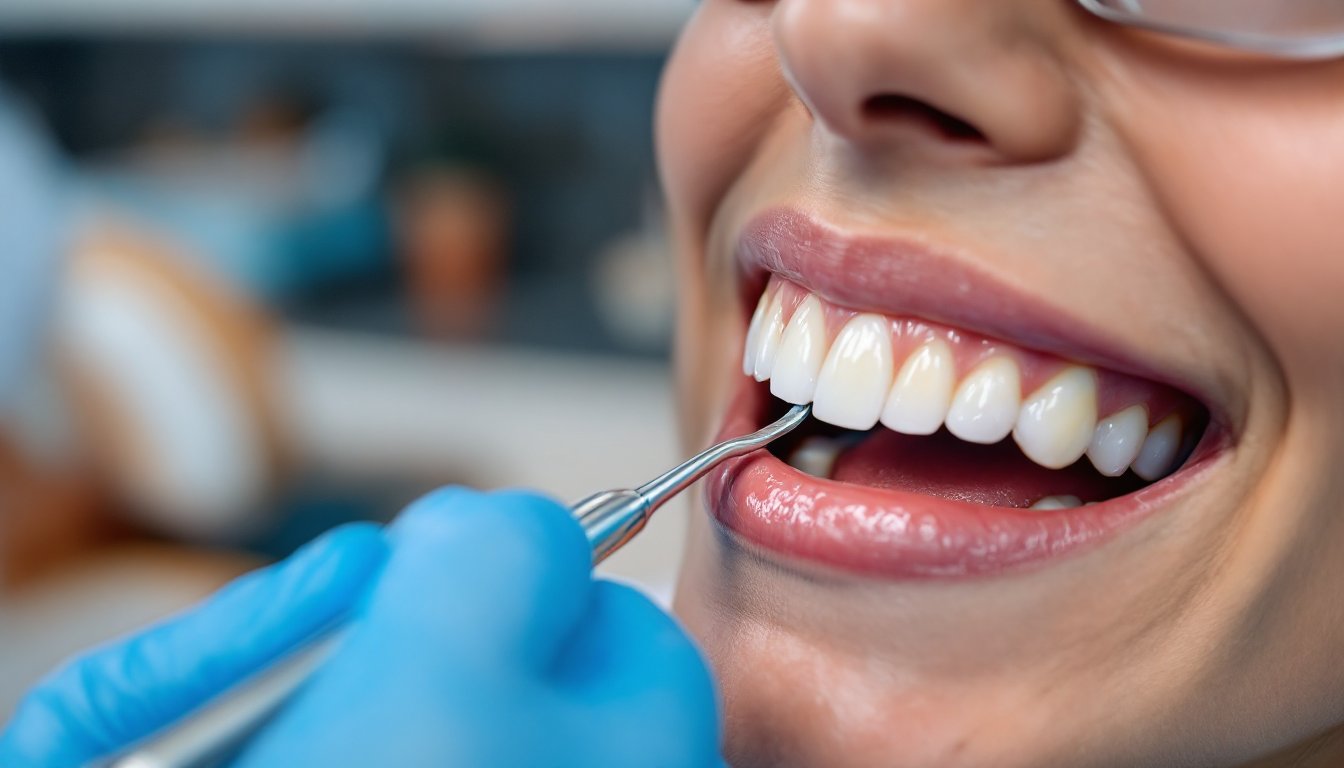
Scaling is the first phase, focused on removing hardened deposits from tooth surfaces and below the gumline. Your hygienist or dentist will use specialized instruments, either manual scalers (metal hooks) or ultrasonic scalers that use high-frequency vibrations and water to break up tartar.
Ultrasonic scalers are efficient and less physically taxing for the clinician, but they create a spray of water and debris, so you’ll feel moisture and hear a high-pitched hum. If you have sensitive teeth, the vibration and cold water can cause discomfort, which is why local anesthetic is often applied beforehand.
The clinician works methodically around each tooth, reaching into the pockets to dislodge calculus that’s been mineralizing for months or years. You might feel pressure or scraping sensations, but you shouldn’t feel sharp pain if properly numbed. This phase can take 45 minutes to over an hour per quadrant, depending on buildup severity.
Root Planing: Smoothing the Tooth Roots
Once tartar is removed, the next step is root planing, smoothing the rough surfaces of the tooth roots. Bacteria love irregular surfaces, so polishing the roots makes it harder for plaque to re-adhere and gives your gum tissue a better chance to heal and reattach.
Using fine-tipped curettes, the clinician carefully planes the root surfaces below the gumline. This process removes microscopic amounts of the root surface to eliminate bacterial toxins embedded in the tooth structure. It’s meticulous work that requires skill and patience.
Root planing also reduces inflammation by eliminating the rough spots where bacteria colonize. Over the following weeks, your gums should begin to shrink and tighten around the teeth as healing occurs.
Some practices use laser-assisted periodontal therapy as an adjunct to traditional scaling and root planing. The laser targets bacteria deep in the pockets and may promote faster healing, though it’s not universally necessary.
After the procedure, your mouth will likely feel tender. Numbness from anesthesia wears off in 2-4 hours, so avoid eating until you regain full sensation to prevent accidentally biting your cheek or tongue.
Aftercare Tips for a Smooth Recovery
The first few days after a deep cleaning require some adjustments to your routine. Here’s how to support healing and minimize discomfort:
Manage Sensitivity and Discomfort
It’s normal to experience tooth sensitivity to hot, cold, and sweet foods for several days. Over-the-counter pain relievers like ibuprofen (200-400 mg) can reduce inflammation and discomfort. Avoid extremely hot beverages and acidic foods (citrus, tomatoes) that can irritate exposed root surfaces.
Modify Your Brushing Technique
Continue brushing twice daily, but use a soft-bristled toothbrush and gentle pressure for the first week. Consider switching to a toothpaste formulated for sensitive teeth, which contains compounds that block pain signals from the tooth surface to the nerve.
Rinse with Warm Salt Water
Mix 1/2 teaspoon of salt in 8 ounces of warm water and swish gently 2-3 times daily. This promotes healing and reduces bacteria without the harshness of alcohol-based mouthwashes, which can sting treated areas.
Avoid Certain Foods Temporarily
Stick to softer foods for a day or two: scrambled eggs, yogurt, mashed potatoes, smoothies. Skip crunchy snacks like chips or popcorn that could irritate tender gum tissue.
Watch for Warning Signs
Some bleeding and tenderness is expected, but contact your dentist if you experience excessive bleeding that doesn’t stop with gentle pressure, swelling that worsens after 48 hours, or fever. These could indicate infection or an adverse reaction.
Most patients find that discomfort peaks within the first 24-48 hours and gradually improves. By the end of the first week, your gums should feel noticeably better, though complete healing takes several weeks as tissue reattaches to the tooth surface.
Preventing Future Gum Disease at Home
Deep cleaning addresses existing damage, but long-term gum health depends on what you do at home between dental visits. Daily habits make the difference between maintaining progress and sliding back into periodontal disease.
Brush Properly, Twice a Day
Use a soft-bristled brush held at a 45-degree angle to the gumline. Gentle circular motions clean both the tooth surface and just below the gum edge. Replace your brush every 3 months or sooner if bristles fray. Electric toothbrushes with pressure sensors can prevent overly aggressive brushing that damages gums.
Floss Daily Without Exception
Flossing removes plaque from between teeth where your brush can’t reach. Use about 18 inches of floss, wrapping it around your fingers and gently guiding it between each tooth in a C-shape against the tooth surface. Don’t snap it down, which can cut gum tissue. If traditional floss feels awkward, water flossers provide an effective alternative and are gentler on sensitive gums.
Consider Antimicrobial Mouthwash
Your dentist may recommend a prescription mouthwash containing chlorhexidine for short-term use after deep cleaning. Over-the-counter options with essential oils (like those found on realsimple.com product guides) can also reduce bacteria, though they’re not as potent as prescription formulas.
Address Risk Factors
If you smoke, quitting is the single most impactful step you can take for gum health. Smoking restricts blood flow to gum tissue, impairing healing and making infection more likely. Diabetics should work with their physician to maintain stable blood sugar levels, as poorly controlled diabetes dramatically increases periodontal disease risk.
Keep Up with Regular Cleanings
After deep cleaning, your dentist will likely recommend 3-4 month intervals for maintenance cleanings rather than the standard six months. These shorter intervals prevent tartar from re-accumulating below the gumline.
Monitor Your Gums
Pay attention to changes. Healthy gums are firm, pink, and don’t bleed during normal brushing. If you notice swelling, redness, or bleeding returning, schedule an appointment before your next scheduled cleaning. Early intervention prevents minor issues from becoming major problems.
Maintaining gum health is similar to maintaining your home, consistent upkeep prevents costly repairs down the line. The tools and techniques are straightforward, but consistency is what separates success from repeated trips back for more intensive treatment. Resources on sites like thespruce.com often draw parallels between regular home maintenance and personal care routines, emphasizing that small daily efforts compound into significant long-term results.