Table of Contents
ToggleCleaning vs. disinfecting, most people use these terms interchangeably, but they’re not the same thing. One removes dirt and grime. The other kills germs. Understanding the difference matters for health, hygiene, and knowing which approach fits each situation.
This guide breaks down what cleaning and disinfecting actually mean, when to use each method, and how to avoid common mistakes that could leave surfaces looking spotless but still covered in harmful bacteria.
Key Takeaways
- Cleaning removes dirt and germs from surfaces, while disinfecting kills germs using chemical agents—both serve different purposes.
- Always clean before you disinfect, since dirt and grime create barriers that prevent disinfectants from working effectively.
- Disinfectants require specific contact times (1-10 minutes) to kill germs, so spraying and immediately wiping won’t be effective.
- Reserve disinfecting for high-touch surfaces, after illness, or in areas like bathrooms and kitchens where bacteria thrive.
- Check product labels for EPA registration numbers to confirm a disinfectant has been tested to kill specific pathogens.
- A surface can look spotless but still carry harmful germs—visual cleanliness doesn’t equal microbial cleanliness.
What Is Cleaning?
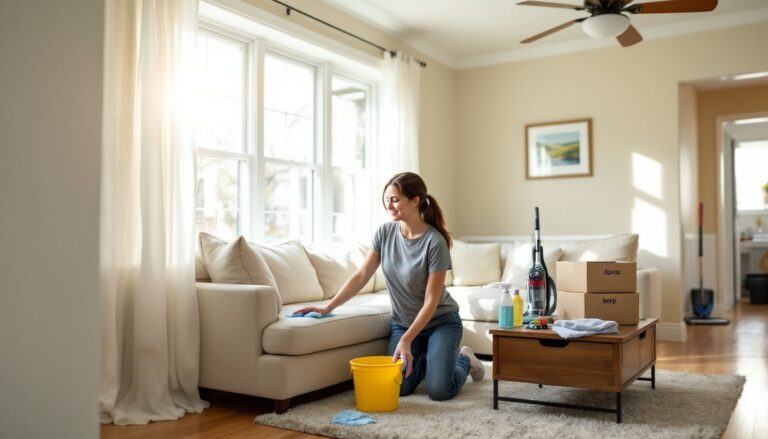
Cleaning removes visible dirt, dust, debris, and some germs from surfaces. It uses soap, water, or general-purpose cleaners combined with physical scrubbing or wiping.
The goal of cleaning isn’t to kill germs, it’s to physically remove them along with organic matter. Think of it like washing your hands. Soap doesn’t kill most bacteria: it lifts them off your skin so water can rinse them away.
Cleaning is essential for maintaining a tidy space and reducing the overall germ load on surfaces. It’s the first step in any effective hygiene routine. Dirty surfaces can prevent disinfectants from working properly, so cleaning vs. disinfecting isn’t really an either/or choice. You often need both.
What Cleaning Accomplishes
- Removes food residue, grease, and fingerprints
- Reduces dust and allergens
- Lowers the number of germs on a surface
- Prepares surfaces for disinfection when needed
For everyday household tasks, wiping kitchen counters, mopping floors, dusting furniture, cleaning does the job. It keeps spaces looking good and reasonably sanitary for normal daily life.
What Is Disinfecting?
Disinfecting kills germs on surfaces using chemical agents. EPA-registered disinfectants contain active ingredients that destroy bacteria, viruses, and fungi.
Unlike cleaning, disinfecting doesn’t necessarily remove dirt. A disinfected surface might still have visible grime, but the germs on that surface are dead. That’s why the cleaning vs. disinfecting distinction matters so much in practice.
How Disinfectants Work
Disinfectants need direct contact with germs for a specific amount of time (called “dwell time” or “contact time”) to be effective. Spraying and immediately wiping won’t kill much. Most products require surfaces to stay wet for 1-10 minutes.
Common disinfecting agents include:
- Bleach (sodium hypochlorite)
- Hydrogen peroxide
- Quaternary ammonium compounds
- Alcohol solutions (at least 70% concentration)
Disinfecting is critical in healthcare settings, during illness outbreaks, and for high-touch surfaces in public spaces. It provides a level of germ control that cleaning alone can’t achieve.
When to Clean vs. Disinfect
The cleaning vs. disinfecting question comes down to context. Not every surface needs disinfection, and constant disinfecting can actually cause problems.
Situations That Call for Cleaning Only
- General daily maintenance (floors, windows, shelves)
- Removing visible spills and messes
- Dusting and organizing
- Surfaces that don’t get touched often
For most household tasks, regular cleaning is enough. Overusing disinfectants can contribute to chemical-resistant bacteria and isn’t necessary for routine hygiene.
When to Disinfect
- After someone in the household has been sick
- On high-touch surfaces (doorknobs, light switches, phones)
- In bathrooms and kitchens where bacteria thrive
- Following contact with raw meat or other contamination risks
- During cold and flu season for extra protection
Here’s the key insight: always clean before you disinfect. Dirt and organic matter create a barrier that shields germs from disinfectant chemicals. A surface must be clean for disinfecting to work properly.
The cleaning vs. disinfecting sequence matters. Clean first. Disinfect second. Skip the first step, and the second step won’t deliver results.
Choosing the Right Products and Methods
Product selection affects both cleaning and disinfecting outcomes. Not all cleaners disinfect, and not all disinfectants clean well.
All-Purpose Cleaners
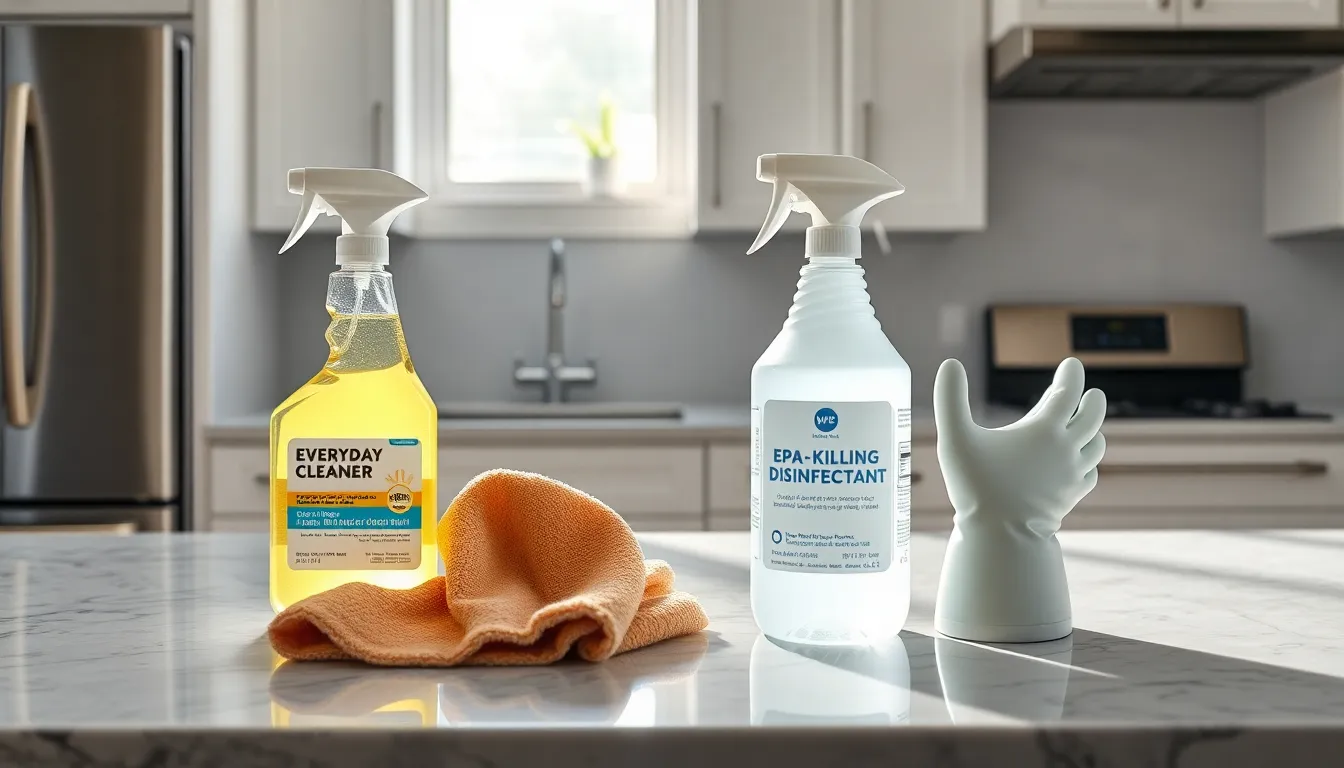
These products lift dirt and light grime but typically don’t kill germs. They’re great for general cleaning tasks, countertops, appliances, cabinets. Check labels carefully: some all-purpose cleaners now include disinfecting properties.
EPA-Registered Disinfectants
Look for the EPA registration number on the label. This confirms the product has been tested and proven to kill specific pathogens. The label also tells you:
- Which germs the product kills
- Required contact time
- Proper dilution ratios
- Safety precautions
Combination Products
Some products clean and disinfect in one step. These can save time, but they still require proper dwell time to disinfect. Rushing the process defeats the purpose.
Natural vs. Chemical Options
Vinegar and baking soda clean effectively but don’t disinfect. For actual germ-killing power, chemical disinfectants or products like hydrogen peroxide are necessary. Understanding the cleaning vs. disinfecting capabilities of each product prevents false confidence in hygiene routines.
Common Mistakes to Avoid
Even with good intentions, people make errors that undermine their cleaning and disinfecting efforts.
Mistake #1: Wiping Too Quickly
Disinfectants need time to work. Spraying and immediately wiping removes the chemical before it can kill germs. Always follow the contact time listed on the product label.
Mistake #2: Disinfecting Dirty Surfaces
Applying disinfectant to a visibly dirty surface wastes product and effort. The cleaning vs. disinfecting order isn’t optional, clean first, then disinfect.
Mistake #3: Using Expired Products
Disinfectants lose effectiveness over time. Check expiration dates, especially on bleach solutions, which degrade quickly.
Mistake #4: Mixing Chemicals
Combining different cleaning or disinfecting products can create toxic fumes. Never mix bleach with ammonia or acidic cleaners.
Mistake #5: Neglecting High-Touch Surfaces
Doorknobs, remote controls, faucet handles, and phone screens harbor more germs than most people realize. These spots need regular attention in any cleaning and disinfecting routine.
Mistake #6: Assuming Clean Means Germ-Free
A surface can look spotless and still carry harmful pathogens. Visual cleanliness and microbial cleanliness are separate things, that’s the entire point of understanding cleaning vs. disinfecting.