Table of Contents
ToggleCleaning for beginners doesn’t have to feel overwhelming. Many people put off tidying because they don’t know where to start or what supplies they actually need. The good news? A clean home is easier to achieve than most expect. This guide breaks down the basics, essential supplies, simple routines, and room-by-room strategies. Whether someone just moved into their first apartment or simply wants to build better habits, these practical tips will help anyone keep their space fresh and organized without spending hours on chores.
Key Takeaways
- Cleaning for beginners starts with stocking a few essential supplies—an all-purpose cleaner, microfiber cloths, and a vacuum handle about 80% of tasks.
- Build a consistent routine with 10-15 minutes of daily tidying to prevent overwhelming messes from piling up.
- Tackle bathrooms and kitchens by working top to bottom, starting with mirrors and counters before finishing with floors.
- Avoid common mistakes like using too much product, cleaning windows in direct sunlight, and forgetting to sanitize your cleaning tools.
- Break cleaning tasks into small, manageable chunks rather than exhausting marathon sessions to make the habit sustainable long-term.
Essential Cleaning Supplies to Get Started
Before scrubbing a single surface, beginners need the right tools. Stocking up on a few key supplies makes cleaning faster and more effective.
Must-Have Cleaning Products:
- All-purpose cleaner: Works on counters, appliances, and most hard surfaces
- Glass cleaner: Keeps mirrors and windows streak-free
- Disinfectant spray or wipes: Essential for high-touch areas like doorknobs and light switches
- Dish soap: Doubles as a gentle cleaner for many tasks
- Toilet bowl cleaner: A bathroom necessity
Basic Cleaning Tools:
- Microfiber cloths: They trap dust and dirt better than paper towels
- Sponges: Great for dishes and scrubbing surfaces
- A sturdy broom and dustpan
- A mop (spin mops work well for beginners)
- A vacuum cleaner with attachments
- Rubber gloves to protect hands
Beginners often make the mistake of buying too many specialty products. Start simple. An all-purpose cleaner, microfiber cloths, and a good vacuum handle about 80% of household cleaning tasks. Add specialty items later as needed.
Keep supplies organized in a caddy or bucket. Carrying everything room to room saves time and keeps the process efficient.
Creating a Basic Cleaning Routine
Cleaning for beginners becomes manageable with a consistent routine. Instead of marathon sessions, small daily habits prevent messes from piling up.
Daily Tasks (10-15 minutes):
- Wipe down kitchen counters after cooking
- Wash dishes or load the dishwasher
- Make the bed
- Put items back in their designated spots
- Do a quick sweep of high-traffic areas
Weekly Tasks:
- Vacuum all floors and rugs
- Mop hard floors
- Clean bathrooms (toilet, sink, shower)
- Dust furniture and shelves
- Change bed linens
- Take out trash and recyclables
Monthly Tasks:
- Wipe down appliances inside and out
- Clean windows and mirrors thoroughly
- Dust ceiling fans and light fixtures
- Organize closets and drawers
- Wash throw blankets and pillows
The key is consistency. Spending 15 minutes daily on cleaning prevents the need for exhausting weekend deep-cleans. Many beginners find it helpful to assign specific tasks to certain days, bathrooms on Tuesday, vacuuming on Thursday, for example.
Setting a timer can help too. Commit to 10 minutes of tidying before bed, and the difference adds up quickly.
Room-by-Room Cleaning Tips
Different rooms require different approaches. Here’s how beginners can tackle each area efficiently.
Kitchen and Bathroom Basics
The kitchen and bathroom need the most frequent attention because they harbor bacteria and odors.
Kitchen Cleaning Tips:
- Clean as you cook to avoid dish pile-ups
- Wipe stovetops while still warm (not hot), grease comes off easier
- Empty the refrigerator weekly and toss expired items
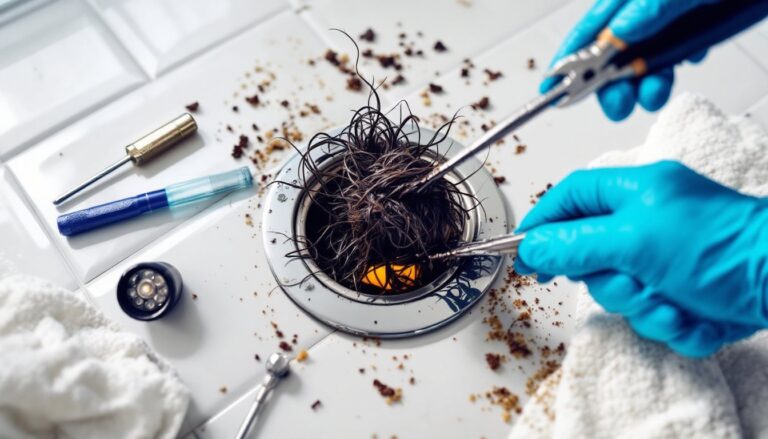
- Don’t forget the sink drain, pour baking soda and vinegar down monthly
- Wipe cabinet handles regularly: they collect grime fast
Bathroom Cleaning Tips:
- Spray the shower with cleaner after each use to prevent soap scum buildup
- Keep a toilet brush by the toilet and give it a quick scrub weekly
- Replace hand towels every few days
- Run the exhaust fan during and after showers to prevent mold
- Wipe the mirror and faucet with a dry cloth to remove water spots
For beginners, bathrooms can seem intimidating. Start from the top and work down, mirror first, then counters, toilet, and finally the floor. This method prevents re-contaminating surfaces.
Living Spaces and Bedrooms
These rooms usually require less intensive cleaning but benefit from regular maintenance.
Living Room Tips:
- Vacuum upholstery and under cushions monthly
- Dust electronics with a dry microfiber cloth
- Fluff and rotate couch cushions to prevent wear
- Keep a small basket for items that belong in other rooms
Bedroom Tips:
- Wash sheets weekly in hot water to kill dust mites
- Vacuum under the bed monthly
- Declutter nightstands regularly
- Open windows when weather permits for fresh air
- Rotate the mattress every few months
Clutter is the biggest enemy in bedrooms and living spaces. Spend a few minutes each evening returning stray items to their homes.
Common Mistakes to Avoid
Even with good intentions, beginners often make errors that waste time or leave spaces less clean. Here are pitfalls to watch out for:
Using Too Much Product
More isn’t better. Excess cleaner leaves residue, attracts dirt faster, and makes rinsing take longer. A few sprays typically do the job.
Cleaning Windows on Sunny Days
Direct sunlight causes glass cleaner to dry before it’s wiped away, leaving streaks. Clean windows on overcast days or in the shade.
Forgetting to Clean the Cleaning Tools
Dirty sponges and mop heads spread germs instead of removing them. Microwave damp sponges for two minutes to sanitize them. Wash mop heads weekly.
Spraying Cleaner Directly on Surfaces
This wastes product and can damage some materials. Spray onto a cloth instead, then wipe the surface.
Skipping High-Touch Areas
Doorknobs, light switches, remote controls, and phone screens collect bacteria constantly. Include them in weekly cleaning routines.
Trying to Do Everything at Once
Beginners often burn out by attempting a full house clean in one session. Breaking tasks into smaller chunks makes cleaning sustainable long-term.
Avoiding these mistakes helps beginners see faster results with less effort.