Table of Contents
ToggleBuilding and construction for beginners can feel overwhelming at first. There are tools to buy, skills to learn, and safety rules to follow. But here’s the good news: everyone starts somewhere. Whether someone wants to build a backyard shed, tackle home repairs, or explore a career in construction, the fundamentals remain the same. This guide breaks down the essentials, from basic concepts and must-have tools to safety practices and first project ideas. By the end, beginners will have a clear roadmap to start building with confidence.
Key Takeaways
- Building and construction for beginners starts with understanding core concepts like load-bearing walls, foundations, and framing before picking up any tools.
- A solid starter toolkit includes essential hand tools (tape measure, hammer, level), a cordless drill, and proper safety gear like glasses and gloves.
- The golden rule of “measure twice, cut once” prevents costly material waste and frustrating mistakes on every project.
- Beginners should start with simple projects like floating shelves or planter boxes to build confidence and develop foundational skills.
- Safety must be a priority from day one—always use appropriate PPE and recognize when a job requires a licensed professional.
- Building and construction skills compound over time, so embrace imperfections in early projects as valuable learning opportunities.
Understanding the Basics of Building and Construction
Building and construction involves creating structures from raw materials. This includes houses, commercial buildings, bridges, and smaller projects like decks or shelving units. The process typically follows a sequence: planning, foundation work, framing, installing systems (electrical, plumbing), and finishing.
For beginners, understanding a few core concepts makes everything else click:
- Load-bearing vs. non-load-bearing walls: Load-bearing walls support the structure above them. Non-load-bearing walls simply divide spaces. Knowing the difference matters before anyone swings a hammer.
- Foundations: Every structure needs a stable base. Foundations distribute weight and prevent settling or shifting.
- Framing: The skeleton of a building. Wood or metal studs create the framework that holds walls, floors, and roofs together.
Building and construction also requires reading blueprints. These technical drawings show dimensions, materials, and structural details. Beginners don’t need to master blueprint reading immediately, but recognizing basic symbols and measurements helps significantly.
Building codes exist in every region. These rules ensure structures are safe and meet minimum standards. Local building departments enforce these codes. Permits are often required for larger projects. Beginners should check local requirements before starting any significant work.
Essential Tools Every Beginner Needs
Starting a building and construction journey requires the right tools. Beginners don’t need everything at once, a solid starter kit covers most basic projects.
Hand Tools
- Tape measure: A 25-foot tape measure handles most jobs. Accuracy matters in construction, and measuring twice saves materials and frustration.
- Hammer: A 16-ounce claw hammer works well for general use. The claw end removes nails.
- Level: A 2-foot level checks if surfaces are horizontal or vertical. Nothing looks worse than crooked shelves or uneven frames.
- Square: A speed square marks angles and checks corners. It’s essential for cutting straight lines.
- Screwdrivers: Both flathead and Phillips head varieties are necessary. A multi-bit screwdriver saves space.
- Utility knife: Cuts drywall, opens packages, and scores materials.
Power Tools
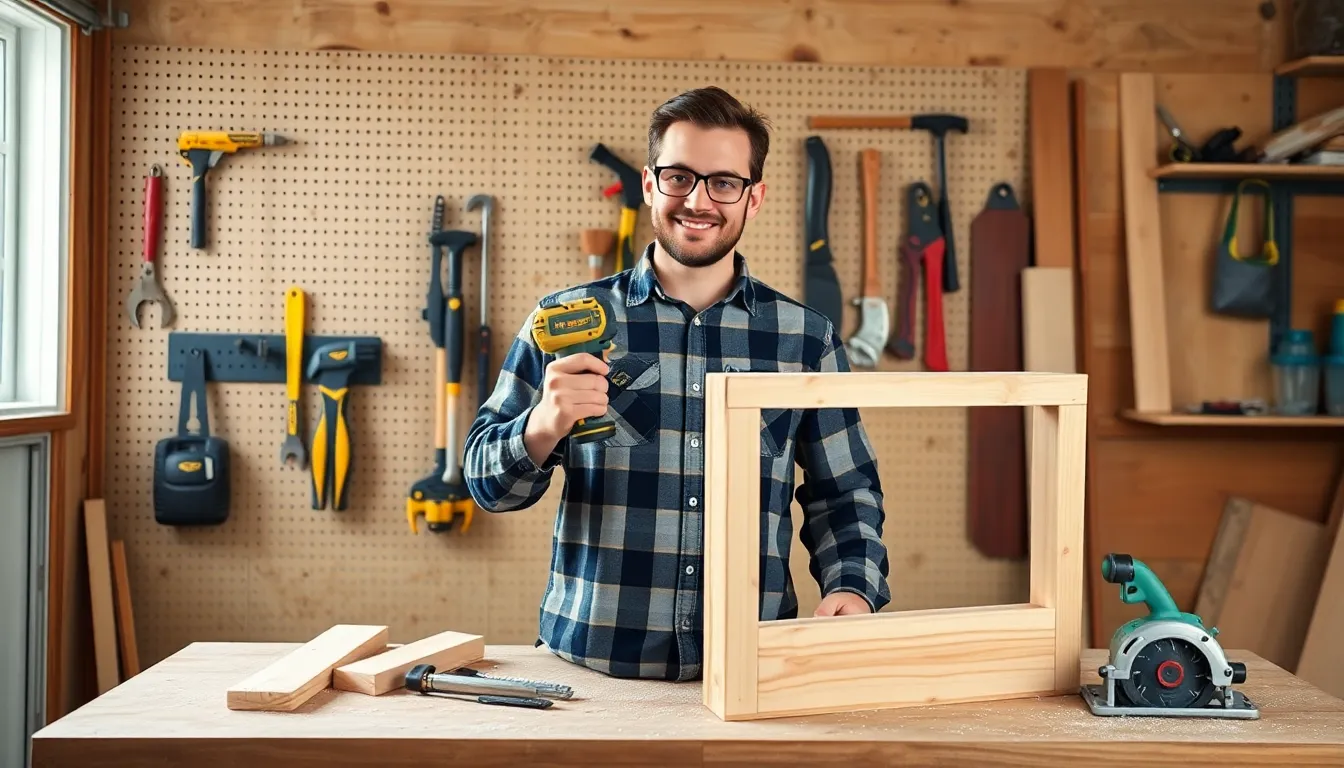
- Cordless drill: The most versatile power tool a beginner can own. It drills holes and drives screws quickly.
- Circular saw: Cuts lumber, plywood, and other sheet materials. Beginners should practice on scrap wood first.
- Jigsaw: Makes curved cuts and handles detail work that circular saws cannot.
Safety Gear
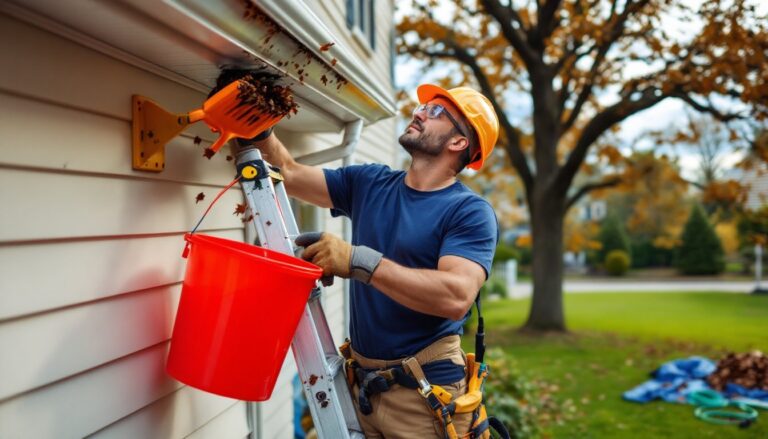
Tools mean nothing without protection. Safety glasses, work gloves, ear protection, and a dust mask belong in every toolkit. Building and construction sites produce debris, noise, and airborne particles. Protection prevents injuries.
Quality matters more than quantity. Cheap tools break, give inaccurate results, and frustrate users. Beginners should invest in decent mid-range tools and upgrade as skills develop.
Fundamental Construction Skills to Learn First
Building and construction skills develop through practice. Beginners should focus on these foundational abilities first.
Measuring and Marking
Precise measurements separate good work from sloppy results. The old saying “measure twice, cut once” exists for good reason. Beginners should practice reading tape measures, including fractions like 1/16 and 1/32 inches. Marking clearly with a pencil or marking tool prevents cutting errors.
Cutting Materials
Wood, drywall, and other materials require different cutting techniques. Hand saws work for small cuts. Power saws handle larger jobs faster. Beginners should learn to:
- Support materials properly before cutting
- Follow the marked line on the waste side (the part being removed)
- Let the saw do the work without forcing it
Fastening
Nails, screws, and bolts hold structures together. Each fastener has specific uses:
- Nails: Fast for framing and general carpentry
- Screws: Stronger holding power and easier to remove
- Bolts: Heavy-duty connections for structural elements
Driving screws straight takes practice. Beginners often strip heads or angle screws incorrectly. Starting with pilot holes makes the process easier.
Basic Framing
Framing creates the structure’s skeleton. Learning to build a simple wall teaches multiple skills: measuring, cutting studs to length, spacing them correctly (typically 16 inches on center), and securing them with nails or screws. This skill transfers to nearly every building and construction project.
Safety Practices for New Builders
Construction sites rank among the most dangerous work environments. Even small DIY projects carry risks. Beginners must prioritize safety from day one.
Personal Protective Equipment (PPE)
Every building and construction task requires appropriate PPE:
- Safety glasses: Flying debris causes eye injuries. Wear them during cutting, drilling, and hammering.
- Hearing protection: Power tools damage hearing over time. Earplugs or earmuffs reduce noise exposure.
- Work gloves: Protect hands from splinters, cuts, and abrasions. Remove them when operating rotating power tools to prevent entanglement.
- Steel-toe boots: Heavy materials fall. Proper footwear protects feet.
- Hard hats: Required on job sites where overhead hazards exist.
Tool Safety
Power tools demand respect. Beginners should:
- Read the manual before using any new tool
- Inspect tools for damage before each use
- Keep blades and bits sharp (dull tools require more force and slip more easily)
- Unplug tools when changing blades or bits
- Never disable safety guards
Worksite Organization
Clutter causes accidents. Keeping work areas clean reduces tripping hazards. Extension cords should be routed carefully. Materials need proper storage. A organized workspace is a safer workspace.
Knowing Limits
Beginners should recognize when a job exceeds their skill level. Electrical work, structural modifications, and plumbing often require licensed professionals. Mistakes in these areas cause serious harm or code violations. There’s no shame in calling an expert.
Starting Your First Simple Project
Theory only goes so far. Beginners learn building and construction best by doing. Starting with a manageable first project builds confidence and reveals areas for improvement.
Good Starter Projects
- Floating shelf: Requires measuring, leveling, and fastening. Simple but satisfying.
- Workbench: Teaches basic framing and creates a useful workspace for future projects.
- Garden planter box: Involves cutting lumber, assembly, and basic joinery.
- Small bookshelf: Combines measuring, cutting, and finishing skills.
Planning the Project
Before buying materials, beginners should:
- Sketch the project with dimensions
- Create a materials list
- Estimate costs
- Gather all tools needed
- Clear adequate workspace
Executing the Build
Patience matters more than speed. Rushing leads to mistakes. Beginners should work methodically:
- Double-check measurements before cutting
- Dry-fit pieces before permanent fastening
- Step back periodically to check alignment and progress
- Accept imperfections, they’re learning opportunities
First projects rarely turn out perfect. That’s expected. Each mistake teaches something valuable. The second project will be better, and the third better still. Building and construction skills compound over time.
Documenting Progress
Taking photos throughout the project helps beginners see their progress. These images also help identify what went wrong if problems arise. Many builders maintain project journals noting what worked, what didn’t, and what they’d do differently next time.