Table of Contents
ToggleLiving in Mesa means dealing with hard water, mineral buildup, and the occasional monsoon debris that finds its way into drainage systems. When a sink starts draining slowly or a shower pools around someone’s ankles, it’s tempting to reach for chemical drain cleaner, but that’s often a Band-Aid on a bigger issue. Understanding what causes clogs, how to tackle them safely, and when to call in a professional can save homeowners hundreds of dollars and prevent pipe damage. This guide covers the most effective drain cleaning methods, warning signs that demand expert attention, and practical maintenance steps tailored to Mesa’s unique plumbing challenges.
Key Takeaways
- Mesa’s hard water, mineral deposits, and monsoon debris create unique drainage challenges that require preventive maintenance and targeted drain cleaning solutions to avoid costly pipe damage.
- DIY drain cleaning methods like baking soda and vinegar, hot water flushes, and drain snakes handle minor clogs safely, but professional drain cleaning services are essential for main line blockages, recurring clogs, or sewage backup.
- Multiple slow drains, foul odors, or standing water are warning signs of serious underlying issues that demand professional inspection with camera equipment to pinpoint the exact cause.
- Licensed drain cleaning services in Mesa should offer video sewer inspection, flat-rate pricing transparency, and hydro jetting capabilities for severe buildup—always verify the contractor’s Arizona ROC number before hiring.
- Installing drain screens, avoiding grease disposal, flushing drains weekly, and scheduling professional inspections every few years prevent most common drain problems and reduce emergency repair costs.
Common Drain Problems Mesa Homeowners Face
Mesa’s water quality and climate create a perfect storm for drain headaches. The area’s hard water, loaded with calcium and magnesium, leaves mineral deposits that narrow pipes over time, especially in older homes with galvanized steel or cast iron drain lines. These deposits catch hair, soap scum, and food particles, accelerating clogs.
Tree roots are another culprit. Mature eucalyptus, mesquite, and palm trees send roots hunting for water sources, and even a pinhole crack in a sewer line becomes an entry point. Once inside, roots expand and create blockages that back up everything from toilets to washing machines.
Monsoon-related debris can overwhelm exterior drains and cleanouts. Dust, leaves, and small rocks wash into roof drains and perimeter systems during heavy rains, creating stubborn clogs that require mechanical removal.
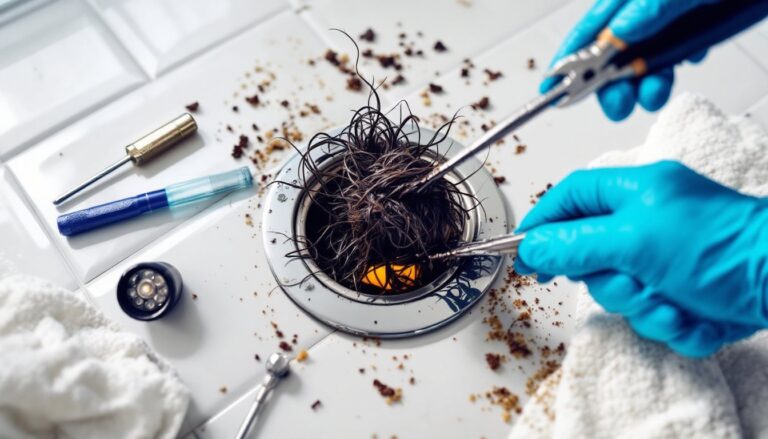
Kitchen sinks face grease buildup, even when homeowners think they’re being careful. Fats solidify as they cool, coating pipe walls and trapping food scraps. Bathroom drains battle hair and soap residue, which bind together into dense mats that slow drainage to a crawl. Laundry drains can clog from lint accumulation, particularly in homes without lint traps on discharge hoses.
DIY Drain Cleaning Methods That Actually Work
Before calling in reinforcements, several DIY approaches can clear minor clogs without damaging pipes or costing much money. Knowing which method to use, and when to stop, makes the difference between a quick fix and a worsening problem.
Natural Solutions: Baking Soda, Vinegar, and Hot Water
The baking soda and vinegar trick isn’t just internet folklore: it genuinely works for light organic buildup in drains. Pour half a cup of baking soda down the drain, follow with a cup of white vinegar, and cover the drain opening with a wet cloth. The fizzing reaction helps break down soap scum and minor grease deposits. Let it sit for 30 minutes, then flush with a gallon of boiling water.
For maintenance rather than acute clogs, this method prevents buildup without the pipe-damaging harshness of chemical cleaners. It’s safe for PVC, ABS, and metal drains. But, it won’t budge hair clogs or hard obstructions, that requires mechanical action. The techniques for unclogging drains often emphasize prevention over aggressive chemical treatments.
Hot water alone can dissolve grease clogs in kitchen sinks. Boil a full kettle and pour it directly down the drain in two or three stages, waiting a few seconds between pours. This works best on metal drains: use caution with PVC pipes, as boiling water can soften joints if poured too quickly. Water should be just below boiling (around 190°F) for plastic drain lines.
When to Use a Plunger vs. a Drain Snake
A cup plunger (the standard bell-shaped version) works for sink and tub drains, while a flange plunger (with an extended rubber flap) fits toilets. The key is creating a tight seal. Fill the sink or tub with enough water to cover the plunger cup, block the overflow opening with a wet rag, and plunge with sharp, forceful thrusts, not just up-and-down pumping. Ten to fifteen vigorous plunges usually dislodge shallow clogs caused by soap or food particles.
If plunging doesn’t work after a few rounds, it’s time for a drain snake (also called a drain auger). A basic 25-foot manual snake handles most household clogs. Feed the cable down the drain until resistance is felt, then rotate the handle clockwise while applying gentle forward pressure. The snake’s tip, either a corkscrew or hook, grabs hair and debris or punches through soft obstructions.
Safety note: Wear work gloves and eye protection. Drain snakes can bring up unpleasant material, and the cable can whip if it binds suddenly. For tub drains, remove the overflow plate and feed the snake through that opening rather than the drain itself, it’s a straighter shot to the trap.
Avoid using a snake after pouring chemical drain cleaner: if the clog persists, the chemical can splash back and cause burns. If the snake meets hard resistance or won’t advance past a certain point, stop. Forcing it can damage pipes or push the snake through a weak section, especially in older cast iron or clay lines.
Signs You Need Professional Drain Cleaning Services
Some clogs require equipment and expertise beyond what a homeowner can manage. Recognizing these warning signs early prevents water damage and costly emergency repairs.
Multiple slow drains in the house point to a main sewer line issue, not isolated clogs. If flushing a toilet causes the bathtub to gurgle or water backs up in a floor drain, the blockage is downstream of all fixtures, likely in the main line or at the city connection. This demands professional attention with a sewer camera inspection and possibly a motorized auger (often called a rooter or sewer snake) that spans 50 to 100 feet.
Recurring clogs in the same drain, even after snaking, suggest a deeper problem: collapsing pipe, severe root intrusion, or an improper slope in the drain line. A plumber can run a camera through the line to pinpoint the issue and recommend whether cleaning, relining, or pipe replacement is needed.
Foul odors that persist after cleaning the drain often indicate a venting problem or a partial clog that’s trapping organic matter. Sewer gas smells (like rotten eggs) can also signal a dry P-trap, but if running water doesn’t solve it, there may be a blockage in the vent stack allowing gases to back up.
Standing water that won’t drain at all, especially in a basement floor drain or washing machine standpipe, requires immediate professional help. This can indicate a main line blockage or municipal sewer backup, both of which can flood a home quickly. When comparing options, many find that the most-reviewed drain cleaning services offer emergency response and diagnostic camera work as part of their service.
Visible sewage backup through toilets, showers, or cleanouts is a health hazard and a sign of a serious blockage or sewer line failure. Don’t attempt DIY fixes, call a licensed plumber immediately. Most Mesa plumbing services offer 24/7 emergency response for these situations.
How to Choose a Drain Cleaning Service in Mesa
Not all drain cleaning companies offer the same level of service or transparency. A little assignments upfront prevents surprise charges and repeat visits.
Start by confirming licensing and insurance. Arizona requires plumbers to hold a contractor’s license (ROC number) for work over $1,000, and reputable companies carry liability insurance. Ask for the ROC number and verify it through the Arizona Registrar of Contractors website. This protects homeowners if something goes wrong during the job.
Camera inspection capability separates thorough services from those just running a snake and hoping for the best. A video sewer inspection shows exactly what’s causing the clog, roots, grease, collapsed pipe, or foreign objects, and provides a record for future reference. This typically adds $100 to $300 to the service cost but avoids guesswork and unnecessary return visits.
Ask about flat-rate pricing vs. hourly rates. Many Mesa plumbers charge a flat diagnostic fee (around $90 to $150) that includes basic snaking. If the clog requires more extensive work, hydro jetting, main line augering, or pipe repair, get a written estimate before authorizing additional work. Beware of companies that quote a low initial price but tack on fees for “difficult access,” “after-hours service,” or “disposal charges” without prior disclosure.
Hydro jetting is worth considering for severe buildup or recurring clogs. This method uses high-pressure water (typically 3,000 to 4,000 PSI) to scour pipe walls clean, removing grease, scale, and root intrusions. It’s more expensive than snaking, usually $350 to $600 for residential work, but often provides a long-term solution. But, it’s not appropriate for older or fragile pipes: a camera inspection should always precede hydro jetting to confirm pipe integrity.
Check reviews, but read beyond star ratings. Look for mentions of punctuality, transparency about costs, and whether the company cleaned up after the job. The HomeAdvisor platform and similar services provide cost ranges and verified customer reviews for local contractors, which helps in comparing options.
Finally, ask about warranties or guarantees. Reputable companies typically offer at least a 30-day guarantee on drain cleaning work. If the same drain clogs again within that window, they’ll return at no additional charge, assuming the clog is due to the original issue and not new user error, like flushing inappropriate items.
Preventing Future Drain Clogs: Maintenance Tips for Mesa Homes
An ounce of prevention beats a pound of snaking. Regular maintenance tailored to Mesa’s conditions keeps drains flowing and reduces emergency calls.
Install drain screens in every sink, tub, and shower. Simple mesh or silicone screens catch hair and food particles before they enter the drain. Clean them weekly, it takes 30 seconds and prevents 90% of bathroom clogs.
Never pour grease down the drain, even with hot water running. Instead, pour cooled grease into an old can or jar, let it solidify, and toss it in the trash. For pans with residual grease, wipe them with a paper towel before washing.
Flush drains weekly with hot water. Run the hottest tap water for 30 seconds after each use to keep grease and soap from solidifying in the pipes. For kitchen sinks, a monthly treatment with the baking soda and vinegar method helps maintain clear lines.
Be mindful of what goes in the garbage disposal. Fibrous foods (celery, onion skins, corn husks), starchy items (potato peels, pasta, rice), and coffee grounds should stay out of the disposal. They expand or clump in pipes, creating stubborn clogs. Run cold water, not hot, during disposal use: cold water solidifies grease so the disposal can chop it up rather than letting it coat the pipes.
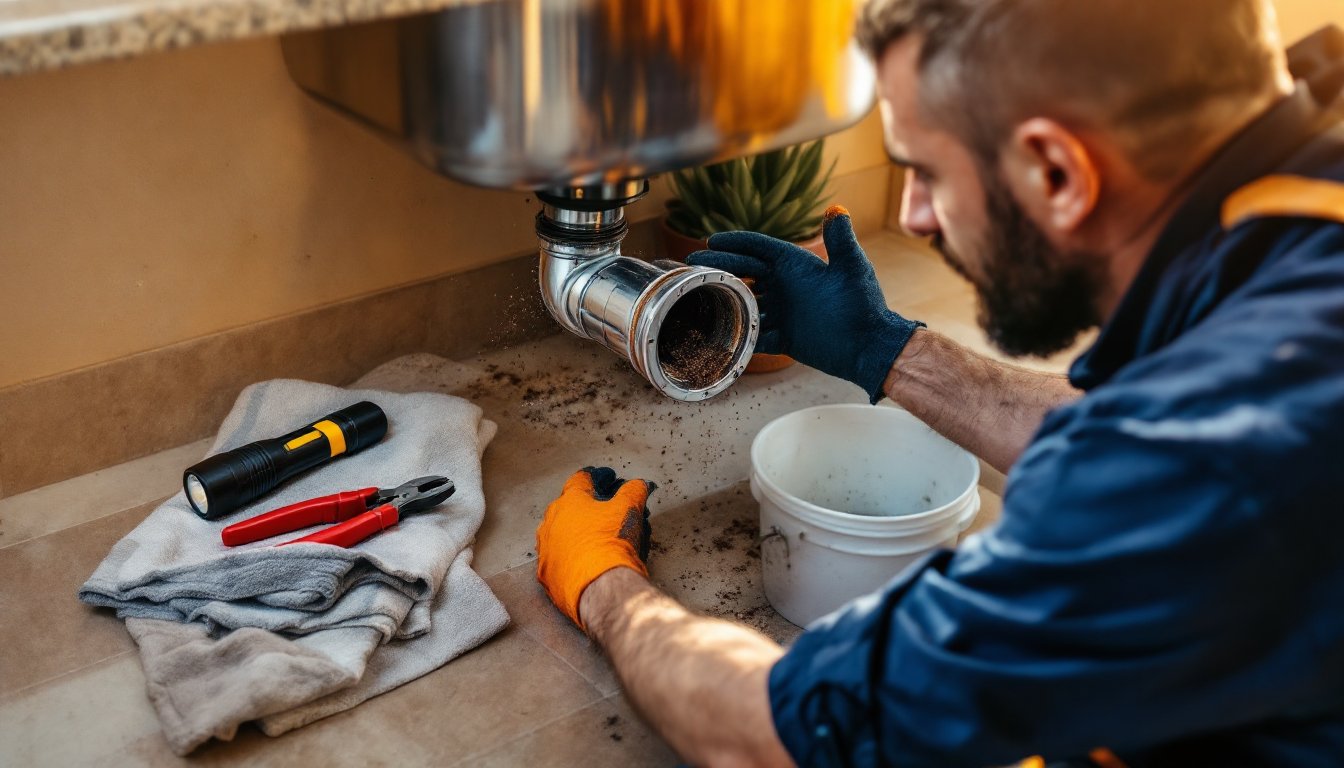
Maintain P-traps by occasionally removing and cleaning them. The U-shaped pipe under sinks traps debris and can be unscrewed by hand or with channel-lock pliers. Place a bucket underneath, unscrew the slip nuts, and clear any buildup. This is especially important in bathroom sinks where toothpaste, hair, and soap accumulate.
Trim tree roots and consider a root barrier if large trees grow near sewer lines. For existing root intrusion, some plumbers offer annual or bi-annual root treatment with copper sulfate or foaming root killers, though these are temporary fixes. Persistent root problems may require lining or replacing the affected section of sewer line.
Schedule professional inspections every few years, especially in homes over 20 years old. A camera inspection of the main sewer line can catch developing issues, minor root intrusion, settling pipes, or scale buildup, before they become emergencies. This typically runs $200 to $400 but provides peace of mind and a maintenance roadmap.
In Mesa’s hard-water environment, consider a water softener if mineral buildup is severe. While it won’t reverse existing scale in drain lines, it prevents further accumulation and protects fixtures and appliances. Softeners require a permit and professional installation per Mesa building codes, but they pay dividends in reduced plumbing problems over time.