Table of Contents
ToggleA slow drain isn’t just annoying, it’s a warning sign. That water pooling around your feet in the shower or the kitchen sink that takes five minutes to empty means buildup is accumulating inside your pipes. Left unchecked, that buildup turns into a full blockage, and suddenly you’re dealing with standing water, foul odors, or worse: a plumber’s bill that could’ve been avoided.
Most drain clogs don’t happen overnight. They develop gradually as soap scum, hair, grease, and mineral deposits coat the inside of pipes. The good news? Regular cleaning keeps drains flowing smoothly and extends the life of your plumbing system. Whether you’re dealing with a sluggish bathroom sink or want to prevent future headaches, this guide walks through proven methods, from natural solutions to mechanical tools, that actually work.
Key Takeaways
- Cleaning drain pipes regularly prevents gradual buildup of soap scum, hair, grease, and mineral deposits that lead to blockages, foul odors, and expensive emergency plumber visits.
- Natural methods like baking soda and vinegar work well for routine drain maintenance, while mechanical tools such as drain snakes and plungers are necessary for stubborn clogs and serious blockages.
- Install drain screens, avoid pouring grease down kitchen drains, and run monthly baking soda and vinegar treatments to maintain long-term drain health and avoid costly repairs.
- Warning signs like slow drainage, gurgling sounds, foul odors, and water backing up between fixtures indicate it’s time to clean drain pipes before the problem worsens.
- Professional drain cleaning costs $150–$300 per drain, but spending 15 minutes monthly on preventive maintenance is far more cost-effective and protects your plumbing system for decades.
Why Regular Drain Pipe Cleaning Matters
Drain pipes handle a surprising amount of debris daily. Kitchen drains collect grease, food particles, and soap residue. Bathroom drains accumulate hair, toothpaste, soap scum, and skin cells. Over time, these materials form layers that narrow the pipe’s diameter, restricting water flow.
Ignoring slow drains leads to bigger problems. Standing water creates breeding grounds for bacteria and mold. Organic matter trapped in pipes produces hydrogen sulfide gas, that characteristic rotten egg smell. In worst-case scenarios, complete blockages cause wastewater to back up into sinks, tubs, or even overflow onto floors.
Regular cleaning prevents these issues and protects your plumbing investment. PVC and ABS drain pipes can last 50+ years when maintained properly, but corrosive buildup or repeated chemical cleaners can damage pipe interiors and joints. Cast iron pipes, common in older homes, are particularly vulnerable to scale buildup that accelerates corrosion.
Maintenance also saves money. A professional drain cleaning service typically runs $150-$300 per drain, depending on accessibility and blockage severity. Emergency calls after-hours or on weekends? Expect to pay double. Spending 15 minutes monthly on preventive cleaning is a bargain by comparison.
Signs Your Drain Pipes Need Cleaning
Recognizing early warning signs helps you address problems before they escalate. Slow drainage is the most obvious indicator, if water takes longer than a few seconds to drain completely, buildup has begun.
Gurgling sounds from drains or toilets suggest air trapped in the pipes, often caused by partial blockages creating negative pressure. You’ll hear this most noticeably when running water in one fixture while another gurgles in response.
Foul odors emanating from drains indicate organic matter decomposing inside pipes. Kitchen drains smell like rotting food: bathroom drains have a musty, mildew-like odor. If multiple drains smell simultaneously, the issue might be in the main sewer line, that requires professional attention.
Frequent clogs in the same drain point to chronic buildup rather than isolated incidents. If you’re reaching for the plunger weekly, the pipe needs thorough cleaning, not just surface-level clearing.
Water backing up from one fixture when using another is serious. Water rising in the shower drain when you flush the toilet signals a blockage in the shared drain line. This isn’t a DIY fix, call a plumber.
Fruit flies or drain flies hovering around sinks indicate organic buildup in the P-trap or further down the drain line. These insects breed in the slime layer coating pipe interiors.
Natural Methods to Clean Drain Pipes at Home
Natural cleaning methods work well for routine maintenance and minor slowdowns. They’re gentler on pipes than chemical cleaners and safe around kids and pets. That said, they won’t clear serious clogs, for those, you’ll need mechanical tools.
Baking Soda and Vinegar Solution
This classic combination creates a fizzing reaction that helps break down organic buildup and deodorizes pipes. It’s effective for routine drain maintenance and light soap scum.
Here’s the process:
- Remove the drain cover or stopper and clear any visible debris.
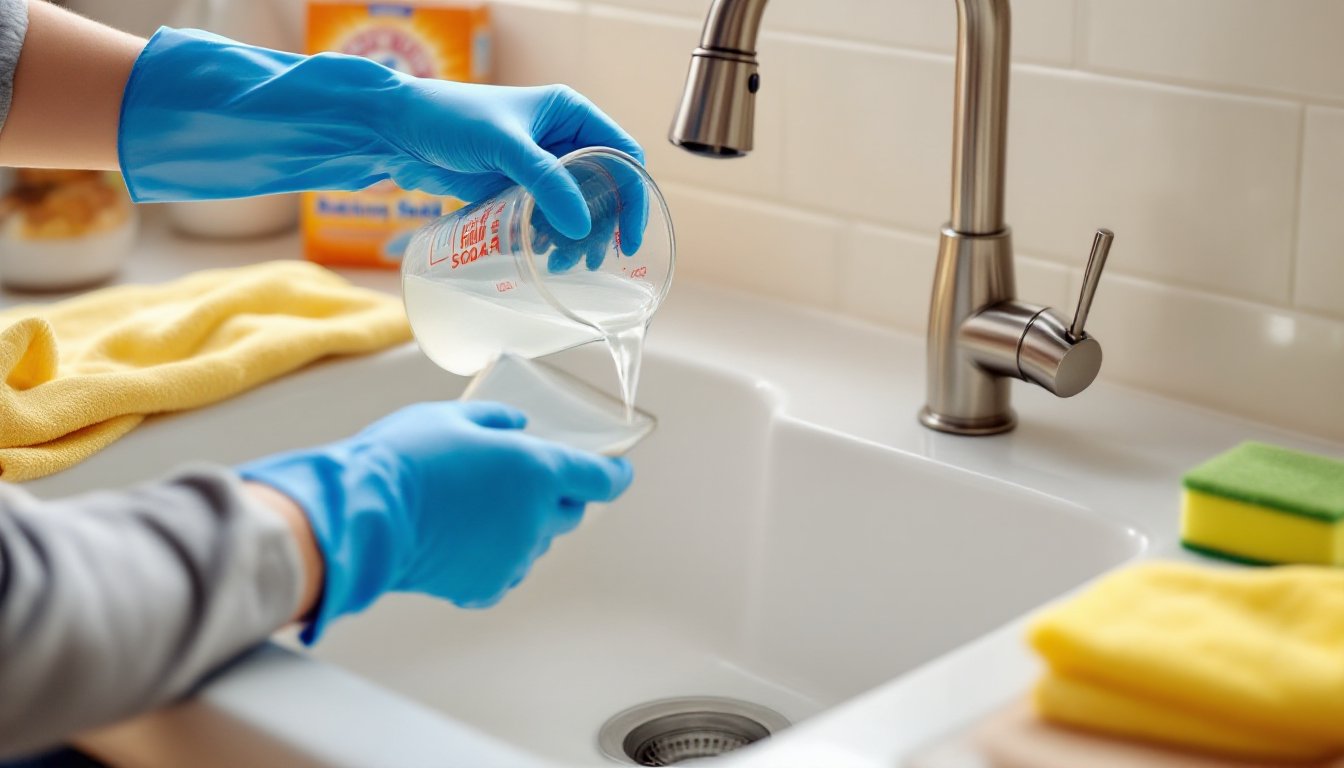
- Pour one cup of baking soda directly down the drain.
- Follow with one cup of white vinegar. You’ll see and hear fizzing, this is the chemical reaction breaking down gunk.
- Immediately cover the drain with a wet rag or stopper to force the reaction downward into the pipe rather than letting it fizz out the top.
- Wait 30 minutes while the mixture works.
- Flush with a kettle of boiling water (about 4-6 cups) to wash away loosened debris.
For tougher buildup, repeat the process or let the mixture sit for several hours or overnight before flushing. The baking soda acts as a mild abrasive while the vinegar’s acidity dissolves soap scum and mineral deposits.
Note: This method works on metal and PVC pipes but avoid it on aluminum, as vinegar’s acidity can corrode aluminum surfaces.
Boiling Water and Salt Treatment
The simplest method for regular maintenance, particularly effective for kitchen drains where grease accumulates. Boiling water melts and flushes away fatty deposits before they solidify into stubborn blockages.
Steps:
- Boil 8-12 cups of water in a large pot or kettle.
- Pour half a cup of table salt down the drain.
- Immediately follow with the boiling water in two or three stages, allowing 10-15 seconds between pours.
The salt provides abrasive scrubbing action and helps break down grease, while the boiling water liquefies fats and carries everything down the line. Perform this treatment weekly after washing greasy dishes to prevent accumulation.
Important: Only use boiling water on metal drain pipes. PVC and ABS pipes can warp or soften with temperatures above 175°F. For plastic pipes, use very hot tap water (140-150°F) instead, which is still effective for grease but won’t damage the material. Check under your sink if you’re unsure, most modern homes built after 1970 use PVC for drain lines.
Mechanical Cleaning Tools and Techniques
When natural methods don’t cut it, mechanical tools physically remove blockages. These are the go-to solutions for hair clogs, solid obstructions, and stubborn buildup.
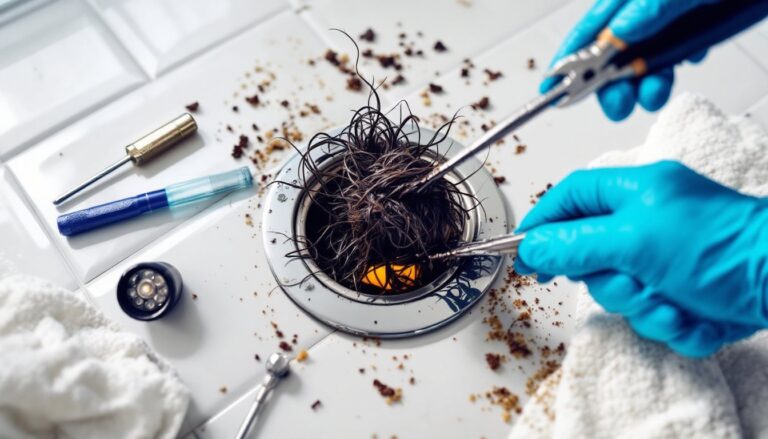
Drain snake (auger): This flexible metal cable with a corkscrew tip reaches 15-25 feet into pipes to break up or pull out clogs. Manual drain snakes ($10-$30) work for most bathroom and kitchen drains. Insert the cable into the drain, turn the handle clockwise to navigate bends, and push through or hook the clog. Pull out slowly, you’ll often extract hair or debris wrapped around the tip. For tougher jobs, powered drain snakes provide more torque but require careful handling to avoid pipe damage.
Cup plunger vs. flange plunger: The standard cup plunger works on flat surfaces like sinks and tubs. A flange plunger has an extended rubber cup designed for toilet drains. For sink drains, fill the basin with 2-3 inches of water to create a seal, block the overflow hole with a wet rag, and plunge vigorously with straight up-and-down motions, not tilting.
Drain cleaning bladder: This rubber bladder attaches to a garden hose, expands when water flows, and seals inside the drainpipe while shooting a powerful jet of water to clear blockages. It’s particularly effective for clogs beyond the P-trap. Safety note: The pressure can be intense, secure the hose connection and never use on old, fragile pipes.
Wet/dry vacuum: For localized clogs near the drain opening, set the shop vac to liquid mode, create a tight seal over the drain (remove the drain cover first), and run it on high. The suction can pull out hair clumps and debris. This works surprisingly well for bathroom sinks.
Removing and cleaning the P-trap: Sometimes the clog is right in the P-trap, the U-shaped pipe under the sink. Place a bucket underneath, loosen the slip nuts by hand or with groove-joint pliers, and remove the trap. Clean out accumulated gunk, check the tailpiece and drain arm for obstructions, then reassemble. Make sure slip nuts are hand-tight plus a quarter-turn with pliers, overtightening cracks the plastic.
When to call a professional: If multiple fixtures are backing up, if you’ve tried everything and the drain is still blocked, or if you suspect the issue is in the main sewer line, it’s time for a plumber. They have power augers that reach 100+ feet and video inspection cameras to diagnose problems in buried pipes.
Preventive Maintenance Tips for Long-Term Drain Health
Preventing clogs is easier and cheaper than clearing them. These habits keep drains flowing and reduce the need for intensive cleaning.
Use drain screens and hair catchers: Install mesh screens over bathroom drains to catch hair before it enters pipes. Empty them weekly, it takes 10 seconds and prevents the most common cause of bathroom clogs. Kitchen sink strainers catch food particles: empty them into the trash, not the garbage disposal.
Never pour grease down kitchen drains: Liquid cooking oil solidifies as it cools, coating pipe interiors and trapping other debris. Pour used grease into a disposable container, let it solidify, and throw it in the trash. Wipe greasy pans with paper towels before washing.
Run hot water after each use: After washing dishes or showering, run hot tap water for 20-30 seconds to flush debris through the pipes before it settles. This is especially important for kitchen drains after disposing of any food.
Monthly maintenance cleaning: Once a month, use the baking soda and vinegar method on all household drains, even ones that seem fine. It prevents buildup from starting.
Be careful with garbage disposals: Run cold water (not hot) while operating the disposal and for 15 seconds after. Cold water solidifies fats so the disposal can chop them up: hot water liquefies fats that then coat pipes downstream. Avoid putting fibrous materials (celery, corn husks), starchy foods (potato peels, pasta), or expandable foods (rice, oatmeal) down the disposal.
Avoid chemical drain cleaners for maintenance: Products containing lye or sulfuric acid generate heat that can soften PVC joints or corrode metal pipes with repeated use. They’re also hazardous if they splash or if you later use a plunger (the chemicals can splash back). Reserve them for emergencies only, or better yet, skip them entirely.
Annual professional inspection: If your home is over 30 years old or you have recurring drain issues, consider having a plumber run a video camera inspection through your main drain line. They can spot tree root intrusion, pipe corrosion, or bellied sections (where pipes have settled and create low spots that trap debris) before they cause major problems. Costs typically run $200-$400 but can save thousands in emergency repairs.
Consistent preventive maintenance means you’ll rarely need aggressive intervention. An ounce of prevention beats a pound of cure, and in plumbing, it beats a $500 emergency visit on a Saturday night.