Table of Contents
ToggleClogged drains don’t wait for payday. Whether it’s a slow-draining kitchen sink or a backed-up shower, understanding what professionals charge, and when you can tackle it yourself, helps homeowners avoid panic pricing and unnecessary service calls. Drain cleaning costs vary widely depending on the severity of the blockage, location within your plumbing system, and the method required to clear it. This guide breaks down what you’ll actually pay in 2026, what drives those prices up or down, and how to keep more money in your pocket without flooding your bathroom.
Key Takeaways
- Professional drain cleaning prices range from $147 to $346 nationally, with main line sewer clogs costing $400–$600 or more depending on severity and location.
- Hydro-jetting and motorized augers are premium methods costing $350–$600, while basic hand snaking runs $100–$250 and works well for localized clogs.
- DIY drain cleaning with manual snakes ($10–$30) and plungers is safe for surface clogs in sinks and toilet bowls, but recurring blockages or main line issues require professional help.
- Emergency and after-hours drain cleaning services add $100–$250 in surcharges, so scheduling during business hours saves significant money.
- Preventive maintenance like drain screens, weekly hot-water flushes, and avoiding grease buildup reduces the need for costly emergency drain cleaning calls.
- Multiple backing-up fixtures, sewage odors, or clogs in old pipes signal main line problems that only licensed plumbers should address.
Average Cost of Professional Drain Cleaning Services
Most homeowners pay between $147 and $346 for professional drain cleaning, with the national average landing around $242 as of 2026. Simple clogs near drain openings, like hair balls in bathroom sinks or food buildup in kitchen drains, typically fall on the lower end of that range.
Main line sewer clogs or issues deep in your drain system push costs higher, sometimes reaching $400 to $600 or more. If a plumber needs to use specialized equipment like a motorized auger (snake) or hydro-jetting, expect to pay premium rates. Hydro-jetting, which uses high-pressure water to scour pipe walls clean, generally runs $350 to $600 for residential work, though it’s the most thorough method for grease buildup and root intrusion.
Emergency or after-hours service adds $100 to $250 on top of the base price. Weekend and holiday rates often include surcharges of 1.5× to 2× the standard hourly rate. Most plumbers charge a trip fee or diagnostic fee of $50 to $150 just to show up, which may or may not be applied toward the final bill, confirm this when you call.
Hourly rates for licensed plumbers range from $80 to $200 per hour depending on your region and the complexity of the job. Coastal metro areas and high-cost-of-living regions skew higher. Flat-rate pricing is common for straightforward drain cleaning, but intricate jobs (camera inspections, wall access, or pipe repair) usually revert to hourly billing.
What Affects Drain Cleaning Costs?
Not all clogs are created equal, and neither are the bills that follow. Two main variables drive the final price: where the blockage sits and what it takes to remove it.
Severity and Location of the Clog
Sink and tub drains are the easiest and cheapest to clear, usually $100 to $250, because they’re accessible and rarely require heavy equipment. A P-trap removal or basic cable snake does the job in most cases.
Toilet clogs average $150 to $300. If the blockage is beyond the closet bend (the curved section under the toilet), a plumber may need a closet auger or pull the toilet to access the drainline, adding labor time and cost.
Main sewer line clogs are the heavy hitters. These blockages affect multiple fixtures and often stem from tree root intrusion, collapsed pipes, or grease accumulation. Clearing a main line costs $350 to $650 on average, and if a camera inspection is needed to locate the problem, add another $100 to $250 to the bill.
Floor drains, laundry drains, and exterior cleanouts fall somewhere in between. Accessibility matters, if the plumber has to remove a washing machine, cut drywall, or dig up a yard cleanout, labor costs climb quickly.
Method Used to Clear the Drain
The tool determines the timeline and the invoice.
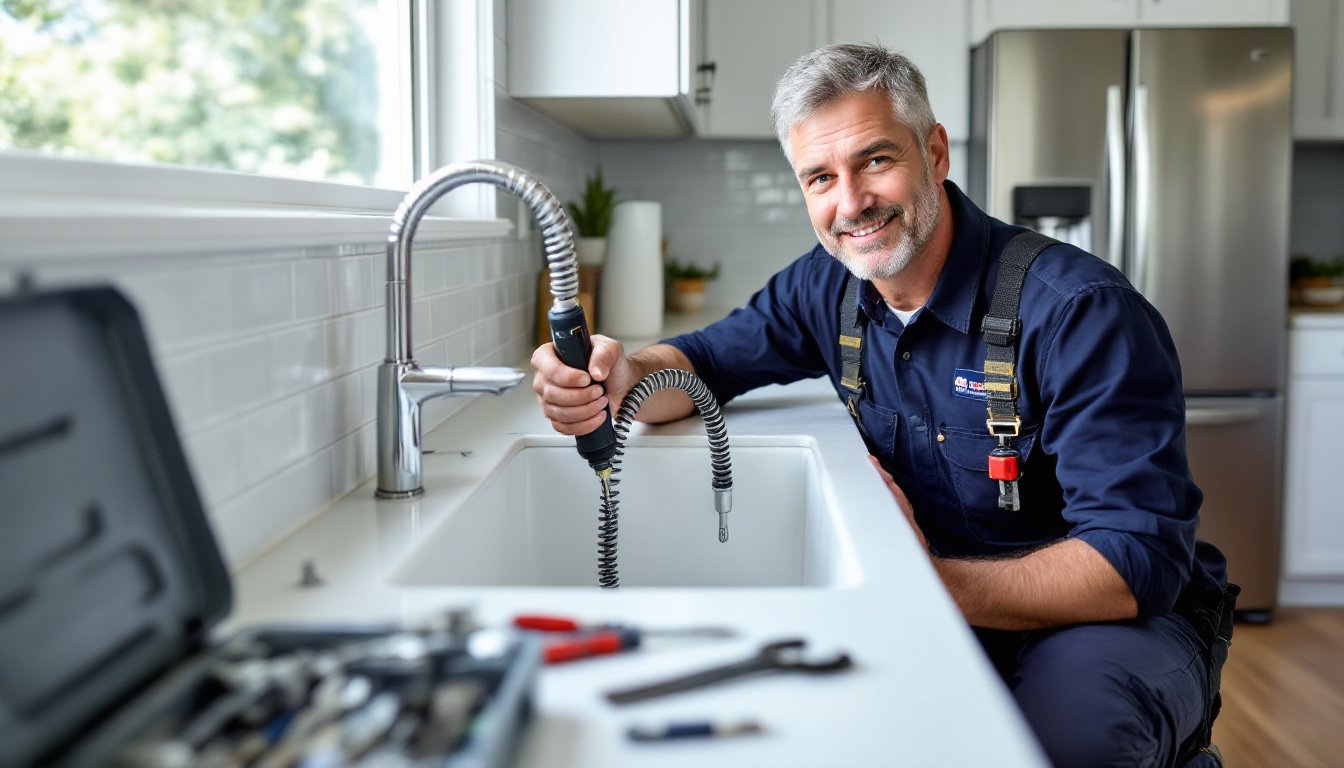
Hand snaking (manual drain auger) is the most affordable option, typically $100 to $250. It works well for localized clogs in branch lines but won’t clear heavy buildup or reach deep blockages.
Motorized drain snakes (also called drain machines or power augers) handle tougher clogs in larger pipes and cost $150 to $400. These are the go-to for most professionals on standard residential calls.
Hydro-jetting is the top-tier solution. It blasts water at 3,000 to 4,000 PSI, removing grease, mineral scale, and even small root intrusions. It’s the best preventive maintenance for older homes with recurring slow drains, but it costs $350 to $600 or more. Hydro-jetting isn’t suitable for fragile or damaged pipes, your plumber should inspect the line first to avoid causing a rupture.
Chemical treatments applied by pros are stronger than retail drain cleaners but rarely used alone. Expect them as an add-on to mechanical cleaning, not a standalone service.
DIY Drain Cleaning vs. Hiring a Professional
Homeowners can handle many common clogs with basic tools and a little patience, but some jobs are best left to the pros.
When to DIY:
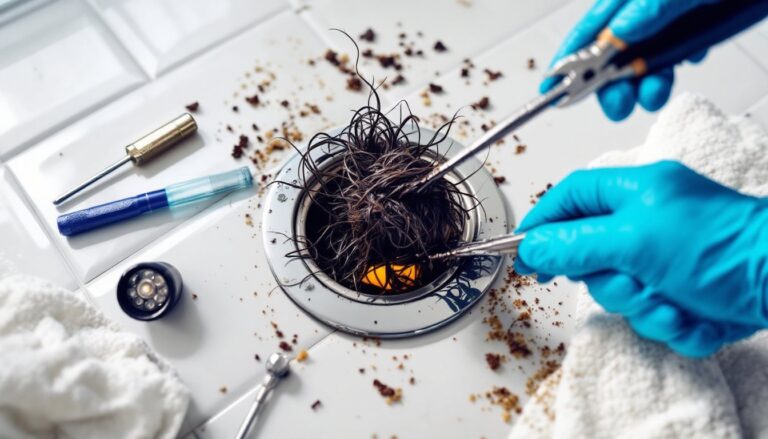
- Slow drains in sinks, tubs, or showers with visible hair or soap scum buildup near the drain opening.
- Partial clogs that still allow some water flow but drain slowly.
- Accessible P-traps under sinks, remove, clean, and reinstall. Keep a bucket and channel-lock pliers handy.
- Toilet clogs confined to the bowl or closet bend. A flange plunger (the kind with a tapered rubber extension) works better than a cup plunger. A closet auger (around $30 to $50) reaches 3 to 6 feet into the drainline without scratching porcelain.
Tools and materials:
- Manual drain snake (15 to 25 feet): $10 to $30
- Plunger (flange-style for toilets, cup-style for sinks): $5 to $15
- Enzyme-based drain cleaner (safer for pipes than caustic chemicals): $8 to $15
- Wet/dry vacuum (optional, for pulling clogs out rather than pushing them down): $40 to $100
Safety note: Always wear rubber gloves and safety glasses when working with drains. Avoid mixing chemical drain cleaners with other products, chlorine and ammonia create toxic fumes.
When to call a pro:
- Multiple fixtures backing up at once, this usually indicates a main line clog or vent stack issue.
- Sewage odor or gurgling sounds from drains, which can signal a venting problem or partial sewer blockage.
- Recurring clogs in the same drain even though multiple DIY attempts, there’s likely a deeper issue like root intrusion, pipe bellying, or improper slope.
- No access to the cleanout, if you can’t locate or reach the cleanout plug, you’ll need a plumber’s equipment.
- Old or fragile pipes (cast iron, Orangeburg, or galvanized steel), aggressive snaking can crack or collapse deteriorated lines.
DIY drain cleaning works for surface-level problems, but if you’re unsure or the clog persists, a licensed plumber’s diagnostic skills and tools can save you from bigger headaches, and water damage, down the line.
How to Save Money on Drain Cleaning
Smart maintenance and a few proactive steps keep drains flowing and reduce the need for emergency calls.
Preventive habits:
- Use drain screens in sinks, tubs, and showers to catch hair, food particles, and debris before they enter the pipes. Stainless steel mesh screens cost $5 to $10 and last for years.
- Flush drains weekly with hot water. Boiling water works for metal pipes but can crack older porcelain fixtures or loosen PVC joints, use very hot tap water instead.
- Avoid pouring grease down the drain. Let it cool, scrape it into the trash, and wipe pans with paper towels before washing.
- Run cold water when using the garbage disposal, and avoid fibrous or starchy foods (celery, potato peels, pasta) that create sticky buildup.
- Monthly enzyme treatments break down organic matter without the harsh corrosion of chemical drain cleaners. These cost about $10 to $15 per bottle and are safe for septic systems.
Timing and negotiation:
- Schedule non-emergency service during business hours. Avoiding evenings, weekends, and holidays eliminates surcharge fees.
- Ask about flat-rate pricing when you call. Some plumbers offer set prices for standard drain cleaning, which can be cheaper than hourly rates if the job takes longer than expected.
- Bundle services. If you have multiple slow drains or need other plumbing work done, some contractors offer discounts for addressing several issues in one visit.
Know when to stop DIY attempts:
Over-snaking or repeated use of chemical drain cleaners can damage pipes, leading to leaks or replacements that cost far more than the original service call. If two DIY attempts don’t clear the clog, it’s time to bring in a professional.
Maintain your main line:
For homes with older plumbing or tree-lined yards, many homeowners report success with preventive main line maintenance every few years. Periodic hydro-jetting or camera inspections can catch root intrusion or buildup before it causes a full backup. It’s an upfront expense, but far less than emergency sewer line repair or water damage restoration.
Conclusion
Drain cleaning costs vary widely, from under $150 for a simple sink clog to over $600 for main line hydro-jetting, but knowing what drives those prices helps homeowners make informed decisions. Many surface clogs are DIY-friendly with the right tools and a little patience, but recurring or multi-fixture backups call for professional help. Regular maintenance, smart habits, and avoiding chemical overkill keep drains flowing and wallets happy. When in doubt, get a flat-rate quote before the work starts, and save the after-hours calls for true emergencies.